Essential Tips for Choosing the Right Geotextile Mat?
Choosing the right geotextile mat is crucial for successful civil engineering projects. The global geotextile market is expected to reach $12 billion by 2025, reflecting its growing importance. In various applications, selecting the appropriate type can improve drainage, erosion control, and soil stabilization.
Different geotextile mats have unique properties, such as permeability and strength. Understanding these differences is essential. According to industry reports, incorrect choices can lead to project delays and increased costs. Despite advancements in technology, many projects still encounter issues due to inadequate material selection.
Thoughtful consideration of soil type and environmental conditions is vital when selecting a geotextile mat. Even with extensive research, the ideal solution may not be clear-cut. Evaluating both short-term and long-term performance metrics will help ensure reliability. As the industry evolves, sharing knowledge and experiences can guide future decisions.
Understanding Geotextiles: Definition and Types
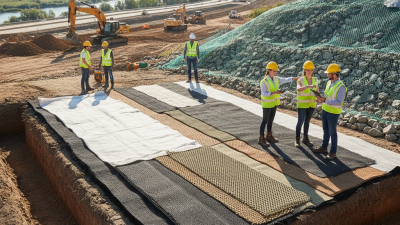
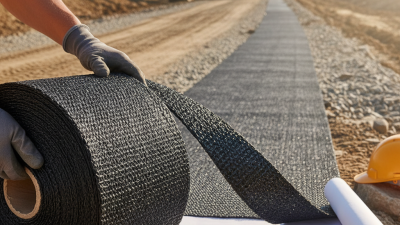
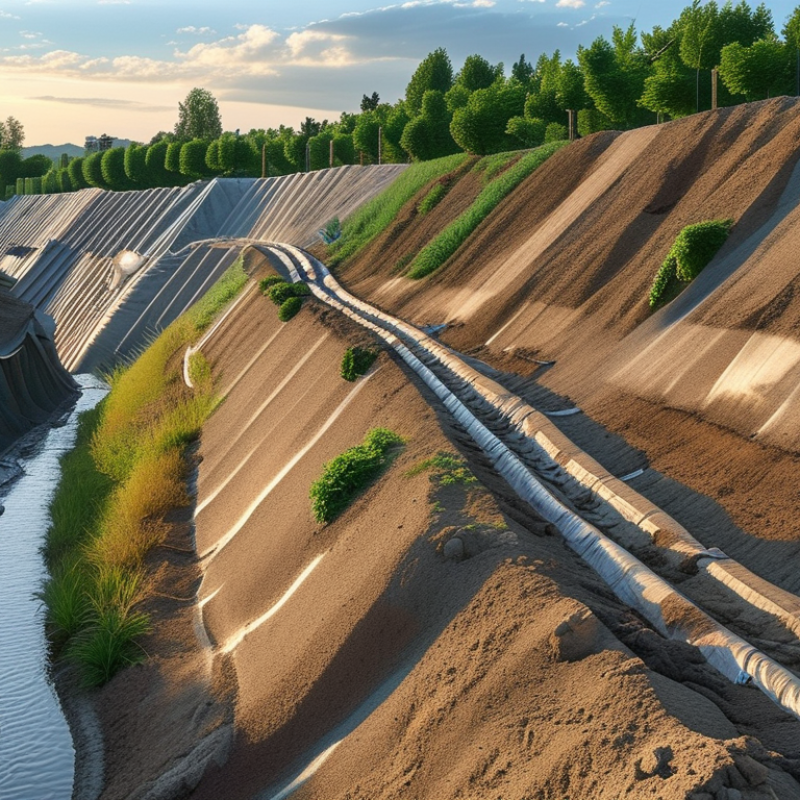
Geotextiles play a crucial role in various engineering and construction projects. They are synthetic fabrics used to enhance soil stability, manage drainage, and prevent erosion. Understanding the different types of geotextiles is essential for making informed decisions. Typically, geotextiles fall into two main categories: woven and non-woven. Woven geotextiles are durable and ideal for drainage applications, while non-woven options are flexible and better suited for filtration purposes.
Choosing the right geotextile mat involves several considerations. One important factor is the application context—whether it’s for road construction, landscaping, or erosion control. Each project has unique requirements. Evaluating soil characteristics is also crucial. For instance, including geotextiles in sandy soils can ensure better stability.
It’s necessary to consult with experts before making a selection. Detailed specifications of the site can affect the effectiveness of the geotextile. Test samples on-site may reveal how well the chosen material functions under real conditions. Remember that not every geotextile suits every project, so it’s vital to do thorough research. Always keep an eye on emerging technologies in geotextiles, as advancements may introduce better solutions.
Essential Tips for Choosing the Right Geotextile Mat
This chart illustrates the distribution of different types of geotextile mats used in various applications. Woven geotextiles take the lead in usage percentage, followed by non-woven and knitted types. When choosing a geotextile mat, consider factors like soil type, water drainage needs, and desired durability.
Key Factors to Consider When Choosing Geotextile Mats
When selecting geotextile mats, several key factors must be evaluated. The first aspect is the material type. Geotextiles are often made from synthetic fibers or natural materials. The choice impacts durability and permeability. Synthetic options tend to offer better resistance but may not be environmentally friendly. Knowing your project’s environmental conditions can lead to a smarter choice.
Another crucial factor is the intended application. Geotextile mats can serve various purposes, such as erosion control, drainage, or stabilization. Assessing the specific needs of your project is vital. Make sure to consider soil type and water flow patterns. This assessment can help prevent mistakes that may arise from poor initial choices.
Cost also plays a significant role in the decision-making process. While cheaper options may seem appealing, they often do not provide the desired longevity. Investing in high-quality mats might seem costly initially, but it can save money in the long run. Reflecting on past experiences can inform better budgeting practices for future projects. Choosing the wrong geotextile can lead to costly repairs and delays.
Evaluating Environmental Conditions for Geotextile Selection
When selecting the right geotextile mat, evaluating environmental conditions is crucial. Different environments demand distinct solutions. Soil type, drainage capacity, and overall climate can heavily influence your choice. For instance, clayey soils may require geotextiles that provide high filtration efficiency. In contrast, sandy soils may benefit from mats that offer excellent stability.
Consider the area’s weather patterns. Regions with heavy rainfall may need geotextiles that enhance drainage. Conversely, dry areas might prioritize erosion control. Assessing potential risks like flooding or sedimentation will help refine your options. It’s important to recognize that not all mats perform well in every setting. Sometimes, the wrong choice can lead to increased maintenance or even project failure.
Also, think about the lifespan of the geotextile. Some materials deteriorate quickly in harsh conditions. Reflect on the long-term impact of your decision. A heat-resistant mat may seem like a good idea, but it may not hold up in fluctuating temperatures. Balancing durability and functionality requires careful thought. Adapting to environmental factors ensures your choice remains effective and reliable over time.
Common Applications and Uses of Geotextile Mats
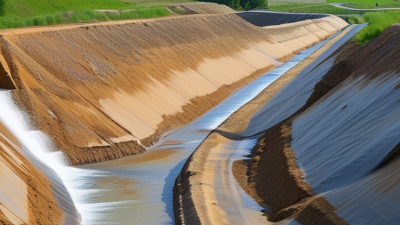
Geotextile mats serve multiple purposes across various industries. They are essential in the construction of roads, where they enhance subgrade stability and prevent erosion. According to a 2022 report by the Geosynthetics Industry Association, the use of geotextiles can reduce construction costs by up to 30% while increasing the longevity of infrastructure.
In agriculture, geotextile mats facilitate soil reinforcement and drainage. They help retain moisture while allowing excess water to escape, promoting better crop yields. Research from AgroTextiles suggests that using geotextiles can boost crop productivity by 20% in areas prone to waterlogging. However, selecting the right type can be challenging. Different applications may require unique materials, leading to confusion.
An overlooked issue is the environmental impact of geotextiles. Some materials may take years to break down, causing long-term ecological concerns. It's crucial to consider sustainability when choosing geotextiles. Performance under various conditions is another point of reflection. Testing under different climates can yield varying results. Reliable data and expert advice are essential in navigating these decisions.
Essential Tips for Choosing the Right Geotextile Mat - Common Applications and Uses of Geotextile Mats
| Application |
Geotextile Type |
Primary Function |
Key Considerations |
| Road Construction |
Non-woven |
Separation and Drainage |
Ensure permeability and strength for load distribution |
| Erosion Control |
Woven |
Soil Stabilization |
High tensile strength and UV resistance needed |
| Landfill Projects |
Composite |
Separation and Filtration |
Check for chemical resistance and durability |
| Drainage Systems |
Non-woven |
Filtration and Drainage |
Permeability features to prevent clogging |
| Green Roofs |
Thin Non-woven |
Water Retention |
Lightweight and adequate moisture control |
| Retaining Walls |
Woven |
Reinforcement |
Ensure compatibility with soil types and wall materials |
| Construction Sites |
Non-woven |
Erosion Prevention |
Choose based on local weather conditions |
Comparing Costs and Performance of Different Geotextile Options
When evaluating different geotextile options, cost and performance are critical factors. Geotextile mats vary widely in price, often depending on materials and applications. A cheaper option might save money upfront but could lead to higher long-term costs due to poor performance. Consider the specific needs of your project—whether for drainage, reinforcement, or erosion control—to choose wisely.
Pay attention to the material type. Non-woven geotextiles tend to excel in drainage, while woven types offer superior strength for stabilization. Each option presents unique advantages and limitations. For instance, non-woven varieties may break down more quickly under intense UV exposure, whereas woven mats might not provide adequate filtration. Conducting a site assessment can help align material properties with project demands.
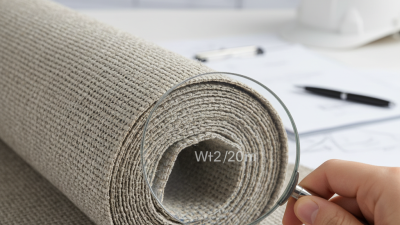
Be aware of installation factors as well. Some geotextiles are easier to work with but may require additional accessories for proper installation. Inspecting samples is always wise. This direct examination allows for a comparison of weight, flexibility, and texture, giving insight into durability. Carefully weighing these elements fosters informed decisions that blend cost and performance effectively.