Top 5 Geotextile Gsm Tips for Attending the 2026 Canton Fair?
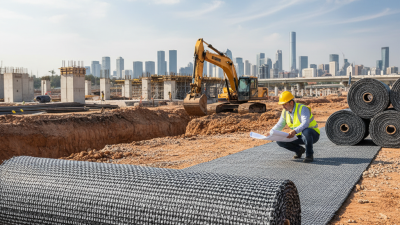
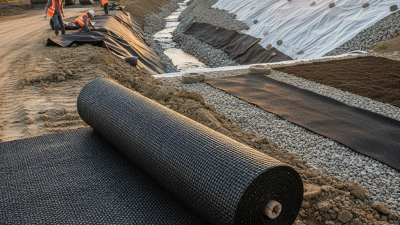
As the 2026 Canton Fair approaches, industry professionals are gearing up to explore the latest innovations. The event will showcase a substantial range of products, including Geotextile Gsm. This fabric is crucial for applications in civil engineering and environmental protection. Industry expert, Dr. Jane Smith, emphasized, "Understanding the quality and specifications of Geotextile Gsm is essential for successful projects."
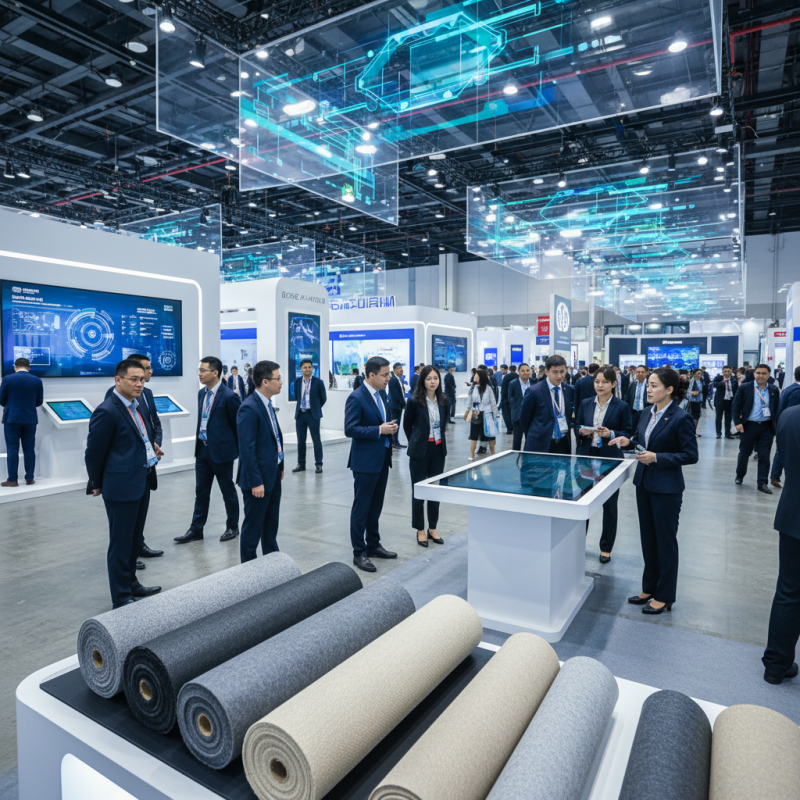
The Canton Fair will incorporate advanced AI features. This innovation allows buyers to filter suppliers by certifications like ISO and CE. With an exhibition area of 1.55 million square meters, navigating it can be overwhelming. However, AI smart navigation enables efficient transitions among booths, enhancing the overall experience.
Understanding the Geotextile Gsm market trends is vital. Reports indicate that demand for such materials is increasing by 15% annually. Companies must stay informed and ensure their products meet evolving standards. Engaging at the Canton Fair presents an excellent opportunity to connect, learn, and refine strategies in this competitive landscape.
Essential Factors to Consider When Selecting Geotextile GSM for Your Needs
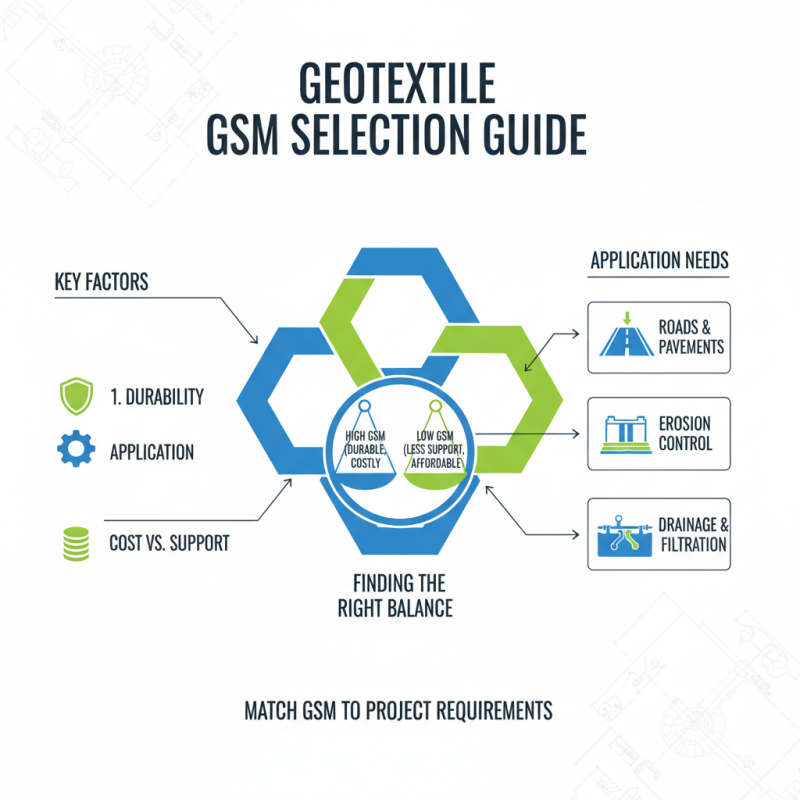
When selecting geotextile GSM, consider durability. High GSM can resist wear and tear. However, finding the right balance is crucial. Too heavy may lead to increased costs. Too light might not offer adequate support. Make sure to match GSM levels to your specific application needs.
Additionally, evaluate the fabric's permeability. Some applications require water drainage, while others need filtration. Knowing the environmental conditions is vital. Think about where and how you intend to use the geotextile. The soil type and weather conditions will influence your selection.
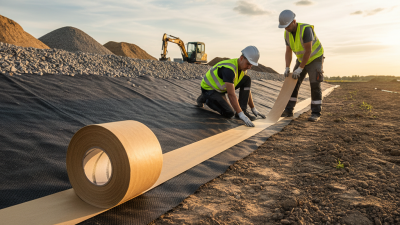
Tip: Check for certifications that ensure quality. Look for materials that meet local standards. This can save you headaches later. Another point is to review the installation procedures for your chosen geotextile. Some are easier to install, while others require expert handling. Ultimately, your work environment and resources matter. Aim for a balance that suits your project’s demands.
Understanding GSM: The Key Metric for Geotextile Performance
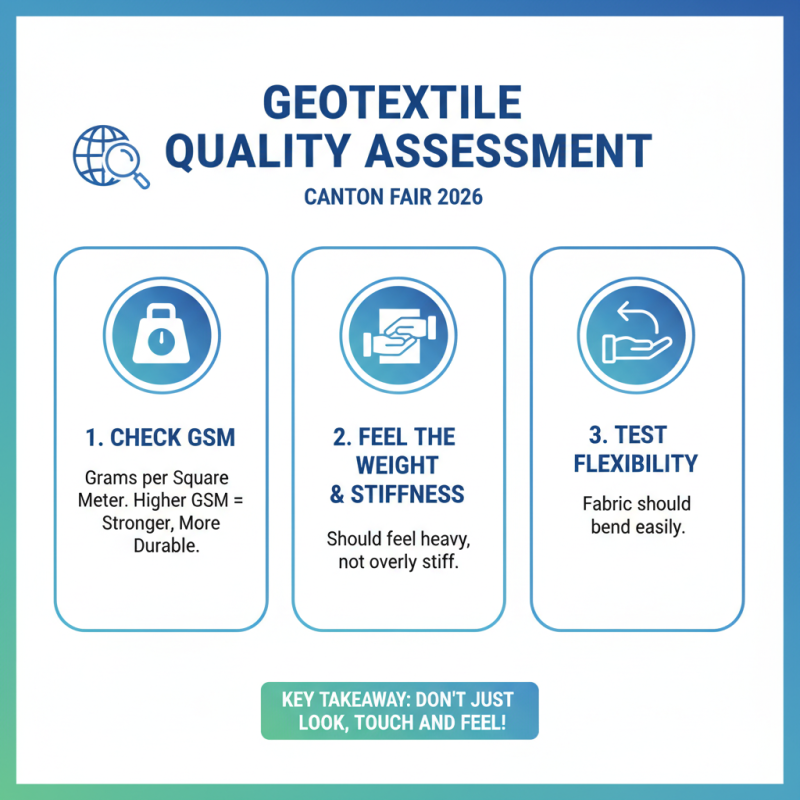
Understanding GSM is crucial for evaluating geotextile performance. GSM, or grams per square meter, indicates the weight of the fabric. Higher GSM often means better durability and strength. Research shows that geotextiles with a GSM of 300 or more are suitable for heavy-duty applications. Be aware, though, that higher GSM can limit flexibility.
During the 2026 Canton Fair, it's beneficial to look for geotextiles with a balanced GSM. A range of 150-250 GSM is effective in various applications, from filtration to erosion control. Projects may require different GSM levels. For instance, temporary structures might need lighter fabrics.
It's important to consider environmental factors too. Excessively heavy fabrics can cause issues in degraded ecosystems. Inadequate GSM can lead to quicker wear. A product that seems ideal might not perform as expected in challenging conditions. Always ask about testing standards and field results. This ensures the chosen material aligns with the project's needs.
Networking Strategies for Geotextile Suppliers and Manufacturers
Attending the 2026 Canton Fair can be a game-changing experience
for geotextile suppliers and manufacturers. Networking effectively is crucial.
Prepare your elevator pitch to introduce your company. Keep it concise but impactful. Make sure to emphasize the unique features of your products.
Remember, you only have a brief moment to capture attention.
Engage with visitors actively. Ask questions about their needs.
Listen carefully to their responses. This shows genuine interest and helps build rapport. Don’t hesitate to share past experiences,
even failures, as these often foster deeper connections. Note what works in conversations and what falls flat.
Keep track of promising leads and follow up post-event.
Utilize social media to facilitate connections. Share insights and start conversations online.
Attend workshops and seminars within the fair. They provide great opportunities to meet industry leaders.
Consider the diversity of your network; it can bring fresh ideas.
Embrace unpredictability and remain adaptable to shifts in interaction styles.
Navigating the Canton Fair: Maximizing Your Geotextile Investment
Attending the Canton Fair in 2026 presents an excellent opportunity for professionals in the geotextile industry. With projected growth of over 6% in the geotextile market by 2025, the fair can provide valuable insights and connections. The right approach could maximize your investments significantly. Understanding the trends is essential. Recent reports suggest that environmental sustainability is becoming a priority. Buyers are increasingly looking for eco-friendly materials.
Setting clear goals before the fair is crucial. Decide what you need from your experience. Are you seeking suppliers, new technologies, or partnerships? Prepare a checklist of companies and products to explore. In 2023, over 25% of exhibitors in textiles reported a focus on innovative geotextile solutions. Failure to plan might lead you to miss essential opportunities.
Engage actively during the fair. Many attendees reported that networking is as valuable as any product insight. Be prepared to ask questions. Some professionals found that direct interaction led to better understanding. Without direct communication, misunderstandings can arise, wasting precious time. Create a balance between exploring and networking to ensure a fruitful experience. This event is all about making informed decisions and capitalizing on the wealth of information available.