What is Geotextile Tape and How is it Used in Construction?
Geotextile Tape is a vital component in modern construction practices. It provides durability and support where soil stabilization is critical. Experts agree on its importance, including Dr. Jane Thompson, a leading authority in geotechnical engineering. She states, "Geotextile Tape ensures structural integrity in challenging environments."
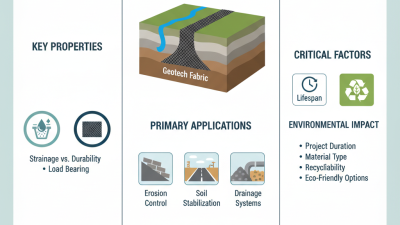
Used in areas like road construction and landscaping, Geotextile Tape offers multiple benefits. It acts as a barrier against erosion while enhancing drainage efficiency. However, not all projects recognize its value. Some may overlook its role, leading to potential failures. Understanding its applications can mitigate such risks.
Despite its advantages, challenges arise in selecting the right tape for specific projects. The variety of materials can confuse even seasoned professionals. Often, a deeper assessment of site conditions is necessary. Those using Geotextile Tape need to evaluate their choices carefully. The goal is to create a solid foundation while minimizing environmental impact.
Definition and Composition of Geotextile Tape in Construction Applications
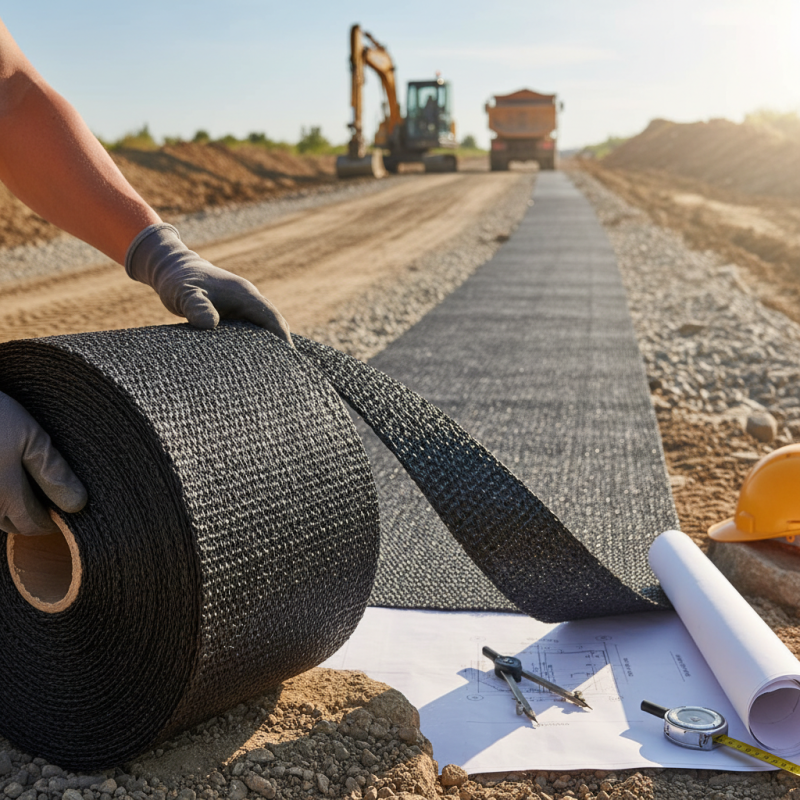
Geotextile tape is a specialized product used in construction. It is made from synthetic fibers, typically polypropylene or polyester, woven together. This composition provides strength and durability, making it effective for various applications. It aids in soil stabilization, drainage, and erosion control, essential for civil engineering projects.
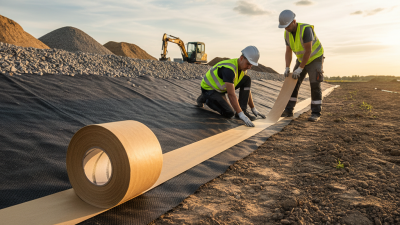
One common use is for securing geotextiles to prevent shifting during construction. The tape adheres well to different surfaces, ensuring a tight seal. This prevents soil erosion and maintains project integrity. When selecting geotextile tape, consider its tensile strength and resistance to environmental factors.
Tips: Always check the compatibility of the tape with your project materials. Proper installation is key to performance. If the tape fails, you may face costly repairs.
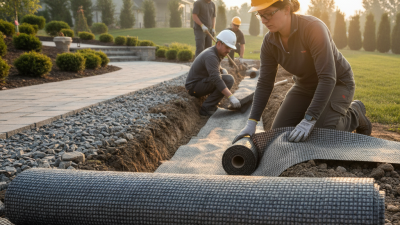
Geotextile tape can also be used in landscaping. It helps separate soil layers, promoting healthy plant growth. It reduces the risk of sedimentation in waterways, supporting environmental efforts. However, improper use can lead to significant setbacks. Be mindful of the installation process and weather conditions.
Types of Geotextile Tapes: Woven, Non-Woven, and Composite Variants
Geotextile tape plays a crucial role in modern construction projects. There are three main types: woven, non-woven, and composite variants. Each type serves specific functions in soil stabilization, erosion control, and drainage systems.
Woven geotextile tapes are known for their high tensile strength. They are typically made from polypropylene or polyester, allowing for excellent load-bearing capabilities. According to a report by the Geosynthetics Institute, woven tapes can increase soil stability by 50% in certain applications. These tapes are often used in road construction and retaining walls.
Non-woven geotextile tapes, on the other hand, provide filtration and separation. Their structure allows water to pass through while retaining soil particles. A study from the International Society for Soil Mechanics indicates that non-woven variants can reduce erosion by up to 30%. This makes them popular for drainage systems and landscape projects.
Composite geotextile tapes combine features of both woven and non-woven types. They offer the advantages of strength and filtration in one solution. While they tend to be more expensive, their versatility can lead to better long-term performance. However, the choice between these types needs careful consideration based on site-specific conditions. It's important to assess soil types, project requirements, and environmental factors thoroughly. Making the wrong choice can lead to ineffective stabilization or increased costs.
What is Geotextile Tape and How is it Used in Construction?
| Type of Geotextile Tape |
Description |
Common Uses |
Advantages |
| Woven Geotextile Tape |
Made from woven polypropylene or polyester fibers, providing high tensile strength. |
Used for soil stabilization, erosion control, and drainage. |
Durable and offers excellent load-bearing capacity. |
| Non-Woven Geotextile Tape |
Made from randomly oriented fibers, providing good filtration and drainage. |
Commonly used in drainage applications, filtration, and separation. |
Excellent water permeability and effluent quality. |
| Composite Geotextile Tape |
Combines the properties of woven and non-woven tapes for enhanced performance. |
Used in landfill covers, road construction, and slope stabilization. |
Offers the benefits of both types, providing superior strength and filtration. |
Key Benefits of Using Geotextile Tape for Soil Stabilization and Drainage
Geotextile tape is a versatile material used in construction. It plays a crucial role in soil stabilization and drainage systems. The tape helps to reinforce the soil, preventing erosion and promoting stability. This is particularly beneficial in areas with loose or sandy soil where heavy rainfall can cause significant issues.
One key benefit of geotextile tape is its ability to enhance drainage. By allowing water to flow through while retaining soil, it prevents waterlogging. This is essential for maintaining a solid foundation and ensuring long-term structural integrity. It minimizes the risks of water damage and reduces the need for extensive drainage systems.
Tips: When using geotextile tape, ensure proper installation for optimal results. Uneven surfaces can lead to ineffective drainage. Also, assess soil conditions before application. Soil compaction can influence the performance of the tape. Experiment with different methods to find the best approach for your project. Always consult with a professional if unsure about your installation techniques.
Applications of Geotextile Tape in Road Construction and Foundation Work
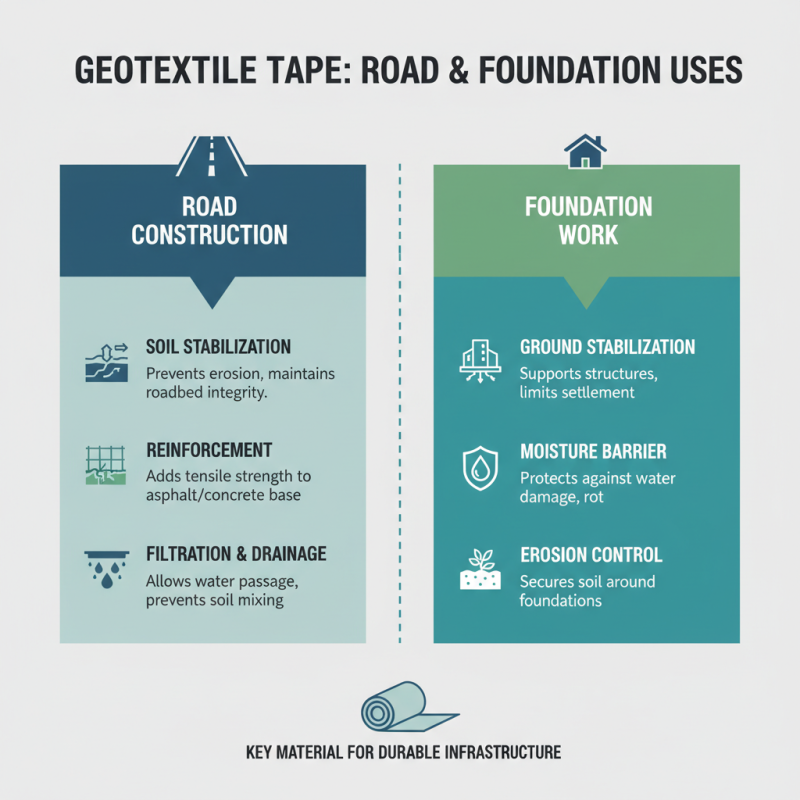
Geotextile tape is a specialized material used in various construction applications. In road construction, it serves several vital functions. One primary use is stabilizing soil. By preventing soil erosion, geotextile tape helps maintain the integrity of roadbeds. It acts as a barrier, limiting movement of soils and providing a supportive layer beneath asphalt or concrete.
In foundation work, geotextile tape plays a crucial role as well. When constructing foundations, it separates different soil layers. This separation helps to prevent contamination and increase the overall stability of the foundation. Using geotextile tape can improve load distribution, critical for any structure's longevity. The tape should always be installed correctly to ensure it performs effectively.
Tips: Always check for compatibility with local soil types. Testing the soil conditions can prevent future issues. Using geotextile tape incorrectly can lead to costly problems later. Regular inspections during construction help ensure it remains intact. Consider proper drainage alongside its installation to maximize its benefits.
Performance Standards and Testing Methods for Geotextile Tape Utilization
Geotextile tape plays a crucial role in construction projects. It is designed to enhance soil stability and drainage. To ensure effective use, adherence to performance standards is critical. Testing methods help assess the tape’s tensile strength, elongation, and resistance to environmental factors.
Various performance standards are employed to validate the quality of geotextile tape. ASTM and AASHTO provide guidelines for testing. These standards help gauge a tape's ability to withstand loads and its overall durability. Such assessments are vital for ensuring reliable application in construction settings.
Practices can vary, and not all situations are met with perfect solutions. For example, improper installation can lead to failures. It's essential to scrutinize the tape's compatibility with different soil types. Evaluation criteria should be consistently reviewed to avoid potential shortcomings in projects. Continuous improvement in testing methods can lead to better material choices in the future.