What is Geotextile Gsm and Its Importance for Global Buyers?
Geotextile Gsm is a significant term in the textile industry, particularly for those involved in geotechnical engineering. This measurement unit indicates the weight of the material per square meter. Experts emphasize its importance in various applications, from road construction to environmental protection. Dr. Emily Carter, a geotextile specialist, once stated, “Understanding Geotextile Gsm is crucial for ensuring optimal performance in construction projects.”
The importance of Geotextile Gsm extends beyond technical specifications. It influences sustainability and cost-effectiveness in construction processes. Buyers worldwide are increasingly prioritizing materials that meet specific Gsm standards. This focus ensures they receive quality products that stand the test of time and environmental challenges. However, the landscape is also filled with misinformation. Many buyers struggle to discern the quality of products based solely on Gsm.
The clarity surrounding Geotextile Gsm is essential. Yet, not all suppliers provide transparent information. It can lead to challenges in decision-making. As the demand for quality geotextiles grows, so does the need for trustworthy sources. Understanding Geotextile Gsm involves recognizing both its benefits and potential pitfalls.
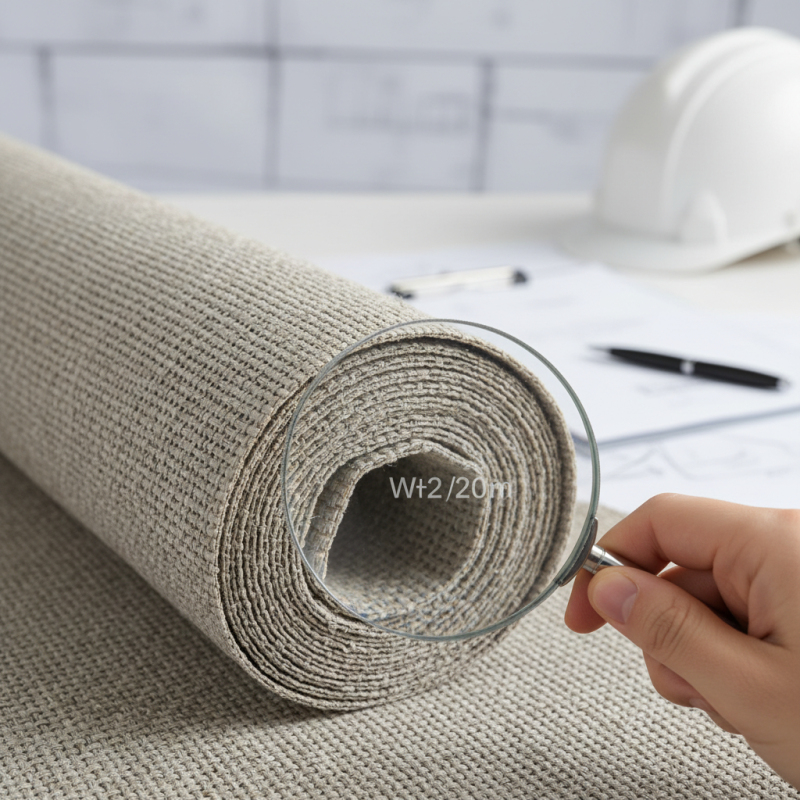
Understanding Geotextile Gsm: Definition and Key Characteristics
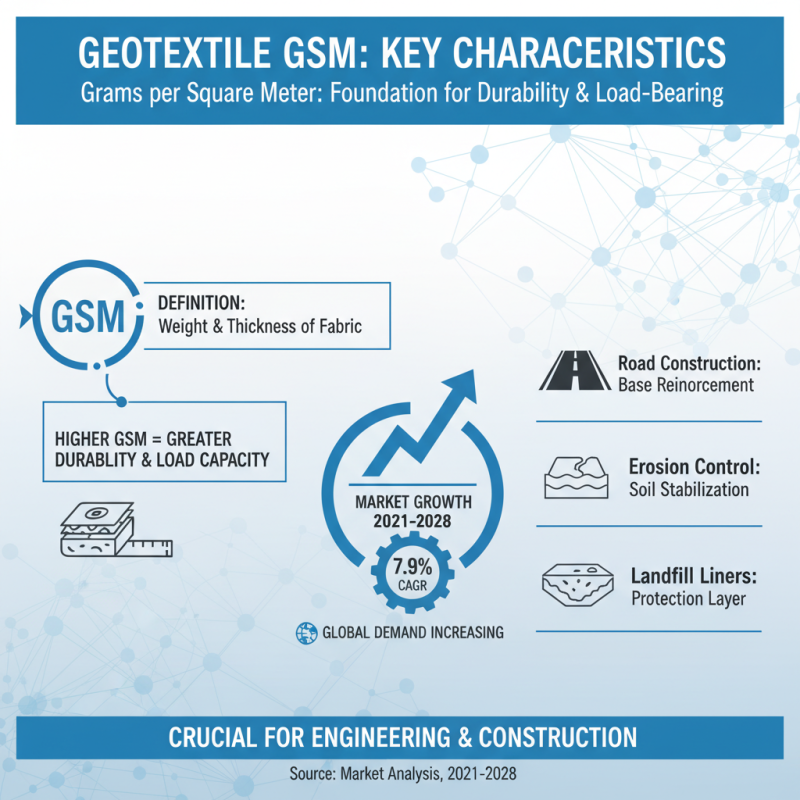
Geotextile GSM, or grams per square meter, is a crucial metric for the engineering and construction sectors. It indicates the thickness and weight of geotextile fabrics. Higher GSM values often correlate with greater durability and capacity for load-bearing applications. According to a recent market analysis, the demand for geotextiles is expected to grow at a compound annual growth rate (CAGR) of 7.9% from 2021 to 2028. This statistic highlights the rising importance of understanding GSM for global buyers.
Understanding GSM helps in selecting the right geotextile for specific projects. A fabric with a lower GSM may work for filtration and drainage, while a higher GSM is ideal for stabilizing soil or supporting heavy structures. Additionally, varying projects may require different GSM levels. According to industry reports, around 40% of construction failures can be linked to improper material selection. This underscores the necessity of making informed decisions based on GSM and its properties.
Moreover, geotextiles with balanced GSM not only improve performance but also save costs in the long run. The right choice can lead to fewer repairs and better project longevity. Conversely, misunderstanding GSM requirements can lead to significant project complications. The importance of geotextile GSM thus reflects not just a technical metric, but also a critical factor in project success and sustainability.
The Role of Gsm in Geotextile Performance and Durability
Gsm, or grams per square meter, is a critical factor in assessing the performance of geotextiles. It indicates the weight and density of the fabric, directly affecting its durability and strength. A study by the International Geosynthetics Society reveals that higher gsm values correlate with increased tensile strength and durability. For instance, geotextiles with a gsm of 300 to 500 are often preferred for road construction projects due to their robust mechanical properties.
The choice of gsm significantly influences the geotextile's ability to filter, drain, and reinforce soil structures. Generally, lower gsm materials are suitable for temporary applications where lightweight fabric suffices. However, in permanent installations, higher gsm fabrics might be necessary to withstand harsh environmental conditions. Recent data indicates that geotextiles with a gsm of over 150 are ideal for erosion control and stabilizing slopes.
Buyers must weigh their options carefully. Relying solely on gsm can be misleading without considering other factors like fiber type and weave patterns. Some fabrics perform well in specific conditions yet fail in others. A one-size-fits-all approach could lead to project failures. Selecting the right gsm requires experience, a keen understanding of application needs, and thorough research into material specifications.
Applications of Geotextile Gsm in Various Industries
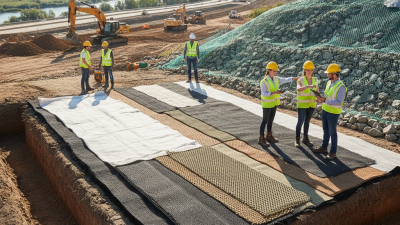
Geotextile GSM (grams per square meter) plays a crucial role across various industries. In the construction sector, these fabrics provide essential support for road construction and erosion control. They help stabilize soil and enhance drainage, significantly reducing maintenance costs over time.
According to a report by the Geosynthetic Materials Association, the global geotextile market is projected to reach USD 10 billion by 2025, highlighting the growing recognition of their benefits.
In agriculture, geotextiles improve water management. They are used for soil separation and weed control in farming. This minimizes the need for chemical herbicides, promoting a more sustainable approach to crop production. A study published in the Journal of Environmental Management found that using geotextiles can increase crop yields by 15% in some regions.
However, not all applications yield positive results. Some geotextiles may degrade faster than expected, affecting durability. In marine environments, issues of biofouling can emerge, leading to unexpected challenges. Balancing performance and environmental impact remains a topic for ongoing research. Such reflections are vital to optimizing the use of geotextiles for a better future.
Factors Influencing Gsm Selection for Global Buyers
When selecting geotextile GSM, understanding its significance is crucial. GSM, or grams per square meter, reflects the weight of the fabric. This metric impacts durability and filtration properties. Buyers need to consider project demands when choosing the appropriate GSM for their applications.
Factors like soil type, environmental conditions, and intended use play vital roles in GSM selection. Heavy-duty projects may require higher GSM for added strength. Conversely, lighter GSM options can be sufficient for less demanding tasks. Analyzing these factors ensures the best material choice, avoiding potential failures or excess costs.
Tip: Assess the specific conditions of your site before making a decision. A thorough site evaluation can help clarify your needs.
Buyers should also think about how installation methods might influence GSM choices. For example, certain installation techniques can allow for lower GSM materials without compromising performance. Explore these possibilities to optimize your project both in quality and cost.
Tip: Stay updated with industry standards and innovations to make informed decisions based on current best practices. Being aware of advancements can lead to better material selection and project outcomes.
Benefits of Choosing the Right Gsm for Geotextile Projects
The gsm, or grams per square meter, of geotextile is crucial for project success. When choosing geotextiles, buyers must understand that different weights suit various applications. Lighter fabrics work well for erosion control, while heavier options provide strength for structural support. Selecting the correct gsm can lead to better longevity and performance.
It’s not always easy to find the right gsm. Some projects may overlook the importance of fabric weight, leading to failures. For instance, using a lightweight geotextile in areas prone to heavy loads can lead to tears. On the other hand, excessive gsm may increase costs unnecessarily. Buyers must assess the project’s specific needs carefully. Consulting with experts can often clarify these details, improving decision-making.
Incorporating the right gsm is essential, but it’s only part of the equation. The environment plays a role too. Soil type, moisture levels, and climate conditions can all affect fabric performance. This complexity requires a thoughtful approach and sometimes adjustments throughout the project. Experimenting with different options can yield surprising results. Remember, a well-informed choice leads to a more successful outcome.
What is Geotextile Gsm and Its Importance for Global Buyers? - Benefits of Choosing the Right Gsm for Geotextile Projects
| GSM Range |
Typical Applications |
Benefits |
Considerations for Buyers |
| 70 - 100 GSM |
Separation and Filtration |
Lightweight, easy to handle, and cost-effective. |
Ideal for small projects and less demanding applications. |
| 100 - 200 GSM |
Drainage and Erosion Control |
Good balance between strength and weight; versatile use. |
Consider project specifications for durability. |
| 200 - 300 GSM |
Road Construction and Soil Stabilization |
Enhanced durability and strength; supports heavier loads. |
Greater emphasis on tensile strength and permeability. |
| 300+ GSM |
Heavy Duty Applications |
Long-term performance in challenging conditions. |
Suitable for large-scale projects; verify compatibility with site conditions. |