What is Geotextile Gsm and How Does It Work?
In the realm of civil engineering and environmental protection, Geotextile Gsm plays a crucial role. Experts emphasize its importance in various applications. John Smith, a noted geotechnical engineer, advocates, "Geotextile Gsm is essential for modern infrastructure." This material serves multiple purposes, like soil stabilization and erosion control. Its varying weights and strengths make it versatile.
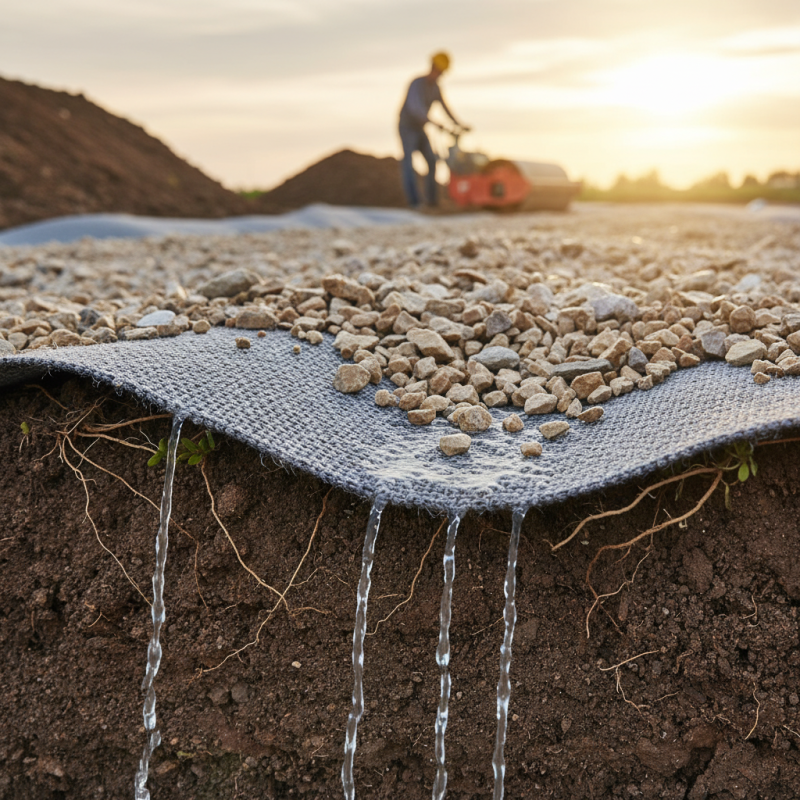
Geotextile Gsm works by providing a barrier between soil layers. It allows for water drainage while preventing soil erosion. This quality is vital in construction projects and landscaping. However, not all projects fully utilize its potential. Many professionals overlook the correct selection of Geotextile Gsm.
Understanding this material's characteristics is key to its effectiveness. It requires careful consideration of project needs. Challenges often arise in installation and maintenance. Overall, a thoughtful approach can enhance project outcomes significantly.
What is Geotextile GSM?
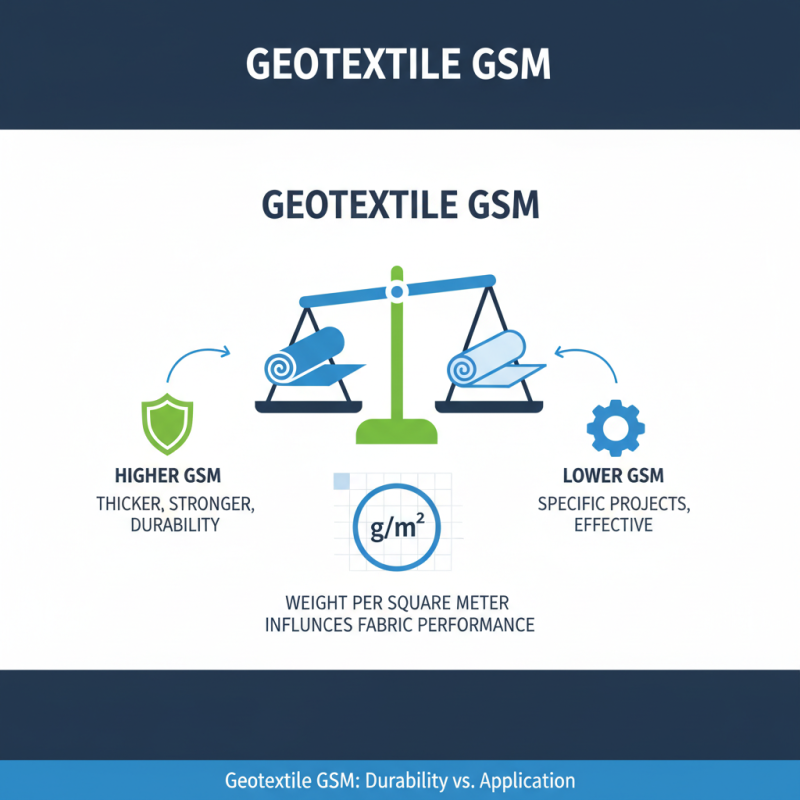
Geotextile GSM refers to the grams per square meter measurement of geotextiles. This measurement indicates the fabric's weight and density. A higher GSM often means a stronger and more durable material. This is crucial for various applications in civil engineering and construction.
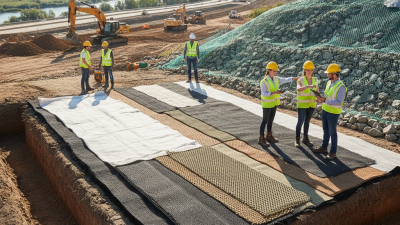
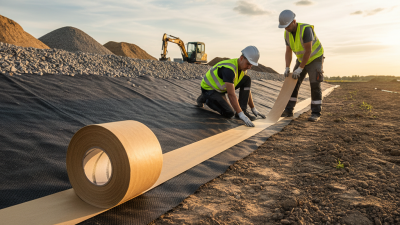
Geotextiles serve multiple purposes, such as soil stabilization, erosion control, and filtration. They are used in road construction, landscaping, and drainage systems. For instance, when constructing a roadway, a geotextile can separate the soil from the aggregates. This separation prevents the soil from mixing with gravel, thus maintaining a strong foundation.
However, the effectiveness of geotextiles can depend on factors like installation techniques and environmental conditions. Sometimes, users overlook the importance of proper installation. This oversight can lead to material failure or environmental damage. It's essential to assess the application needs carefully. Understanding GSM helps engineers make more informed decisions about material selection.
Geotextile GSM Analysis
This chart illustrates the tensile strength of various GSM geotextiles. As the GSM increases, the tensile strength also tends to increase, indicating better performance in soil stabilization and separation applications.
The Importance of GSM in Geotextile Applications
GSM, or grams per square meter, is a crucial measurement in geotextiles. It indicates the material's weight and thickness. Higher GSM typically means more durability and strength. This characteristic is vital for various applications, like road construction, erosion control, and environmental protection.
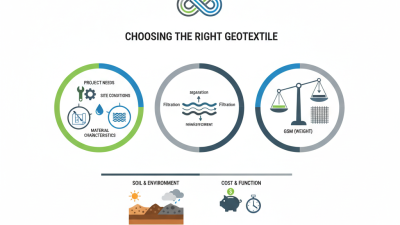
Understanding GSM helps engineers select the right geotextile for specific needs. For instance, a higher GSM can provide better filtration and soil separation. Yet, it might also lead to increased costs. In some cases, designers face challenges balancing weight and functionality. A lightweight option might be easier to handle but less effective in heavy-duty situations.
The importance of GSM extends to long-term performance. Geotextiles with inappropriate GSM may fail under stress, leading to costly repairs. Choosing the right GSM requires careful consideration of environmental conditions. It's a fine line between using a robust material and over-engineering a solution. This balance is vital for sustainable practices in construction and landscaping.
How Geotextile GSM is Measured and Calculated
Geotextile GSM, or grams per square meter, is a crucial measurement in the geotextile industry. It reflects the weight of the fabric, influencing its durability and performance in various applications. Typically, higher GSM indicates a thicker, stronger material. However, this isn't always the best choice. Sometimes lower GSM fabrics work more effectively in specific projects.
GSM is calculated by taking the weight of a unit area of geotextile. For instance, a geotextile weighing 100 grams over a square meter measures a GSM of 100. This measurement plays a vital role in civil engineering, especially in soil stabilization and erosion control projects. According to industry reports, geotextiles with a GSM of 200-400 are ideal for heavy-duty applications. Yet, using a too-heavy fabric can lead to unnecessary costs without significant benefits.
Understanding GSM measurement is essential but complex. Factors like project type and soil conditions dictate fabric choice. For instance, a lightweight geotextile may suffice for minor drainage projects. Overusing heavy materials can lead to environmental concerns and resource wastage. Therefore, it’s essential to choose the right GSM for each specific situation. This balance ensures efficiency and effectiveness in construction projects.
Common Uses of Geotextile GSM in Construction and Agriculture
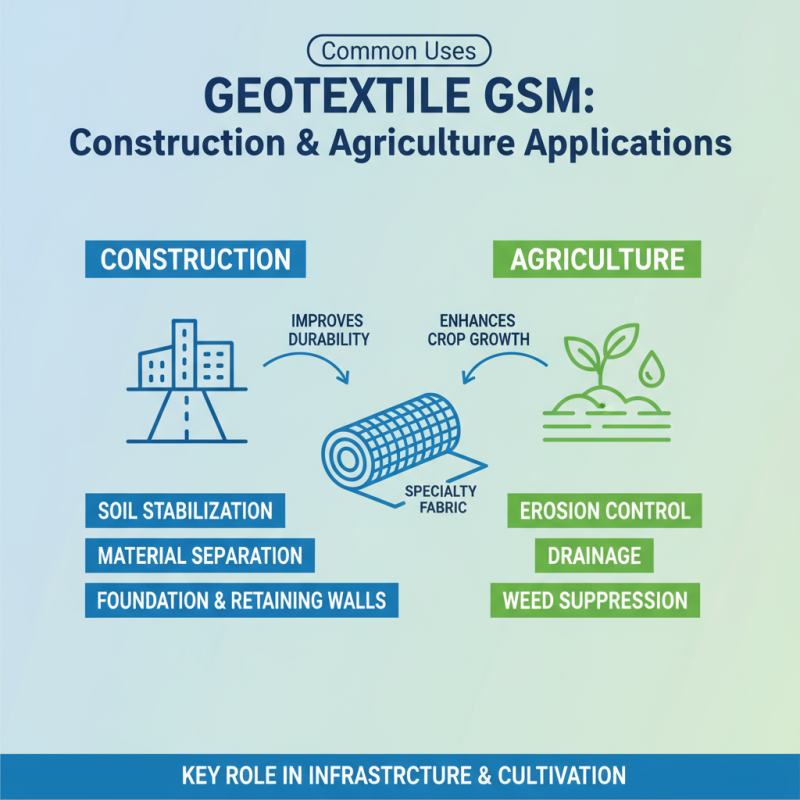
Geotextile GSM plays a crucial role in construction and agriculture. It is a specialty fabric designed for various applications. In construction, geotextiles improve soil stability. They separate materials, preventing mixing and enhancing durability. This helps in building strong foundations and retaining walls.
In agriculture, geotextiles manage drainage and erosion. They filter water, allowing it to pass while trapping soil particles. This keeps agricultural lands fertile. The material can also support crop growth by retaining moisture. However, improper installation may lead to issues. Some may underestimate its importance, thinking it's merely a protective layer.
Farmers and builders should pay attention to the GSM, which indicates the fabric's weight. A higher GSM usually means more strength. Yet, over-reliance on it without proper planning can cause failures. Regular assessments are essential. Adapting geotextile use to local conditions requires thought. Every choice impacts the project’s success.
Benefits of Using Geotextile GSM for Soil Stabilization and Drainage
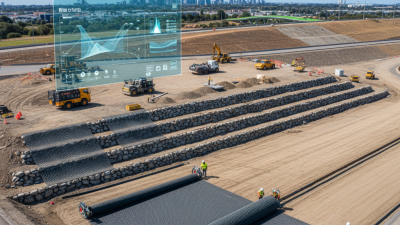
Geotextile GSM plays a critical role in soil stabilization and drainage. This material works by reinforcing soil, which enhances its load-bearing capacity. It creates a barrier that helps separate different soil layers. This separation prevents soil mixing and maintains the integrity of each layer.
Using geotextile GSM offers numerous benefits. It promotes better drainage by allowing water to flow through while filtering out dirt and debris. This feature is essential in preventing erosion and reducing waterlogging. Furthermore, it can effectively reduce settling and displacement in the soil. Such stability is crucial for paving roads and building foundations.
However, there are challenges. Installation can be tedious, and the wrong choice of GSM can lead to failure. It's important to assess the specific soil conditions before implementation. Misjudging the requirements may cause problems down the line. Proper planning and testing can help mitigate these issues and enhance geotextile effectiveness.
Geotextile GSM Data Table
| GSM (g/m2) |
Material Type |
Primary Application |
Soil Stabilization Benefit |
Drainage Efficiency |
| 100 |
Woven Polypropylene |
Erosion Control |
High |
Moderate |
| 150 |
Non-Woven Polyester |
Drainage Systems |
Very High |
High |
| 200 |
Woven Geotextile |
Construction & Roads |
High |
Moderate |
| 250 |
Non-Woven Geotextile |
Landfill Liners |
Very High |
Very High |
| 300 |
Polypropylene & Polyester Blend |
Railway Construction |
High |
High |