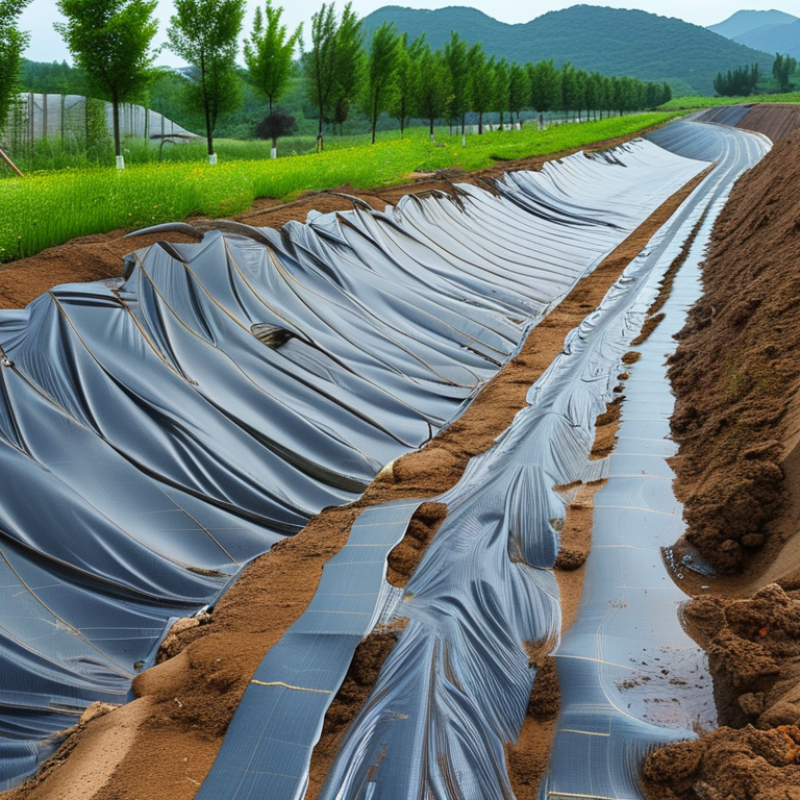
Best Geotex Membrane Features Buyers Should Know?
When considering Geotex Membrane for your projects, understanding its features is crucial. These membranes play a vital role in construction and landscaping. They provide essential functions such as drainage, filtration, and protection against soil erosion.
A well-chosen Geotex Membrane can enhance the longevity and stability of various structures. Buyers often overlook certain key details that can affect performance. The material's durability, permeability, and resistance to environmental factors matter significantly. It's important to not only rely on specifications but also real-world applications.
While many brands offer Geotex Membrane options, their effectiveness can vary. Proper installation techniques and compatibility with local soil types can also impact outcomes. This guide aims to highlight features that truly matter, bringing clarity to your purchasing decisions.
Key Characteristics of Geotextile Membranes Explained
Geotextile membranes are vital in construction and environmental protection. Their primary characteristics include durability, permeability, and tensile strength.
Durability ensures they can withstand harsh conditions. Permeability allows water to pass through while filtering soil. This functionality helps prevent erosion and supports vegetation growth.
Certain tips can enhance your understanding of geotextile membranes. Always consider the specific environmental conditions. For instance, the type of soil and expected drainage must match. A mismatch could lead to premature failure.
Check the load-bearing capacity too. This is crucial for applications like road construction or landfill lining. Underestimating these factors might lead to underperformance.
When selecting a membrane, evaluate the installation process. Not all membranes are easy to install. Training may be needed for effective application. Misalignment can reduce their effectiveness and lifecycle.
Understand your project requirements deeply. Failing to do so can result in costly mistakes. This knowledge empowers you to make informed decisions.
Types of Geotextile Membranes and Their Applications
Geotextile membranes play a crucial role in various applications, ranging from civil engineering to environmental protection. There are two main types: woven and non-woven geotextiles. Woven geotextiles are strong and durable, ideal for projects that require load-bearing capabilities. They provide excellent filtration and reinforcement, making them suitable for road construction and erosion control.
Non-woven geotextiles are more flexible. They are typically used for drainage, separation, and filtration. Data from the Geotextile Industry Association reports that the non-woven geotextile market is expected to grow by over 6% annually. This growth highlights the increasing demand for effective soil management and water drainage solutions.
When selecting a geotextile membrane, consider the project’s specific needs, such as soil type and weather conditions.
Tips: Evaluate soil properties before making a decision. Consider membrane thickness based on the project requirements. Seek professional advice for optimal material choice.
Choosing the right type of geotextile can impact the longevity and stability of projects. Balancing cost and performance is essential. Some projects may face challenges like improper installation or material degradation over time. A thorough assessment can aid in preventing these issues.
Benefits of Using Geotex Membranes in Construction Projects
Geotex membranes play a crucial role in modern construction projects. Their unique design offers multiple advantages that improve project efficiency. They provide excellent drainage, preventing water accumulation. This is vital in areas prone to flooding or heavy rainfall. Such membranes also enhance soil stability, reducing erosion risks. Many construction sites benefit from this added protection.
Moreover, Geotex membranes contribute to sustainability. They promote proper water management, allowing for the reuse of water in irrigation. This feature is essential for eco-friendly projects. However, not all membranes are created equal. Some might not perform well under extreme conditions. It's essential to assess specific needs before selection.
Integrating Geotex membranes can be complex. Installation may require specialized skills, and issues can arise if not done correctly. Regular maintenance is also necessary to ensure longevity. Understanding these factors helps streamline construction processes. The benefits often outweigh the challenges, making them a valuable option in many projects.
Factors to Consider When Choosing Geotextile Membranes
When selecting geotextile membranes, several factors demand attention. The material type plays a critical role. Non-woven fabrics offer excellent filtration and drainage. Woven options provide higher tensile strength and stability. The choice depends on your project's specific needs.
Another crucial factor is the environmental conditions. For areas prone to erosion, a durable membrane can greatly reduce soil loss. Keep in mind how moisture levels affect performance. A membrane must withstand local climate conditions without degrading quickly.
**Tips:** Always evaluate installation methods. Incorrect setup can lead to membrane failure. Consider longevity— cheaper options may not last long-term. Lastly, consult with industry professionals if uncertain. Their expertise can guide you to the best choice for your requirements.
Best Geotex Membrane Features Buyers Should Know
| Feature |
Description |
Importance |
| Material Type |
Common types include polypropylene, polyester, and natural fibers. |
Material affects durability and environmental impact. |
| Filtration Capability |
Ability to separate soil particles while allowing water to flow. |
Critical for drainage systems and preventing soil erosion. |
| Tensile Strength |
Measure of a material's resistance to tension. |
Higher tensile strength improves structural integrity. |
| UV Resistance |
Ability to withstand prolonged exposure to sunlight without degradation. |
Important for outdoor applications to prolong lifespan. |
| Water Permeability |
Rate at which water can pass through the membrane. |
Essential for effective drainage and preventing water buildup. |
| Weight |
Refers to the mass of the geotextile per unit area. |
Influences handling, installation, and application suitability. |
| Environmental Impact |
Consideration of biodegradability and recyclability of materials. |
Important for sustainability and compliance with regulations. |
Maintenance and Longevity of Geotextile Membranes in Use
Geotextile membranes play a crucial role in various applications. Their maintenance can greatly affect their longevity. Regular inspection is essential to ensure their integrity. This includes checking for tears, punctures, or any contamination. Simple visual checks can catch early signs of wear.
Cleaning is often overlooked. Accumulated debris can hinder optimal performance. It’s essential to wash the membranes with water. Using brushes with soft bristles is advisable. Harsh chemicals might degrade the material over time. Proper cleaning routines contribute to longevity and effectiveness.
Another important factor is environmental exposure. UV light can weaken membranes. Choosing a suitable installation site can minimize this risk. Factors like drainage and soil conditions also impact longevity. Understanding how these elements interact with geotextiles can lead to better decision-making. Regular assessments can reveal areas needing improvement. It’s essential to prioritize proactive maintenance.