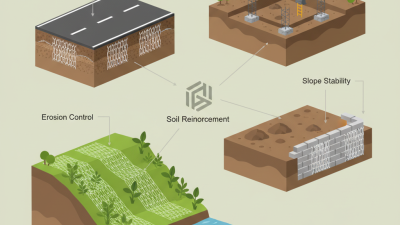
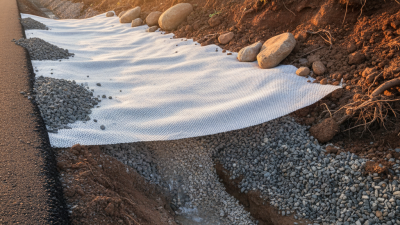
Plastic Geogrid is a crucial component in modern construction projects. Its unique properties enhance soil stability, reduce deformation, and improve load distribution. According to a report by the International Society for Soil Mechanics, the use of geogrids in civil engineering can lead to a 30% reduction in earthwork costs. This data highlights the financial benefits of incorporating Plastic Geogrid into construction practices.
However, successful implementation requires understanding its characteristics. Not all geogrids are created equal. Factors such as tensile strength, aperture size, and material choice significantly influence performance. Misjudging these factors can lead to project delays or failures, emphasizing the need for careful selection and application.
Incorporating Plastic Geogrid effectively can be challenging. It's essential to consider site conditions and project requirements thoroughly. Professionals must balance cost, durability, and environmental impact. Despite its advantages, some projects may underutilize geogrid technology, missing out on potential benefits. This underlines the importance of strategic planning and ongoing education in the field.

Plastic geogrid is an innovative material used in various construction projects. Its primary purpose is to enhance soil stability and load distribution. This technology includes various types such as uniaxial, biaxial, and triaxial geogrids. Understanding these types is critical for selecting the right one for your specific application.
Research indicates that using plastic geogrids can improve load capacity by 30% or more in construction applications. This is significant for projects like roadways and retaining walls. The enhanced strength comes from the grid's design, which helps distribute stresses evenly. However, choosing the wrong type can lead to failures. Always assess soil conditions before implementation.
Tip: Ensure proper installation to maximize performance. The success of a geogrid system hinges on correct placement and alignment.
Moreover, geogrids can effectively reduce settlement in soft soils. They help maintain the integrity of structures over time. Transitioning to the use of plastic geogrids requires careful planning. Regular monitoring and maintenance can prevent unforeseen issues.
Tip: Consider environmental factors that might affect the geogrid's performance, like temperature and moisture levels. Using plastic geogrid improperly can result in unexpected complications.
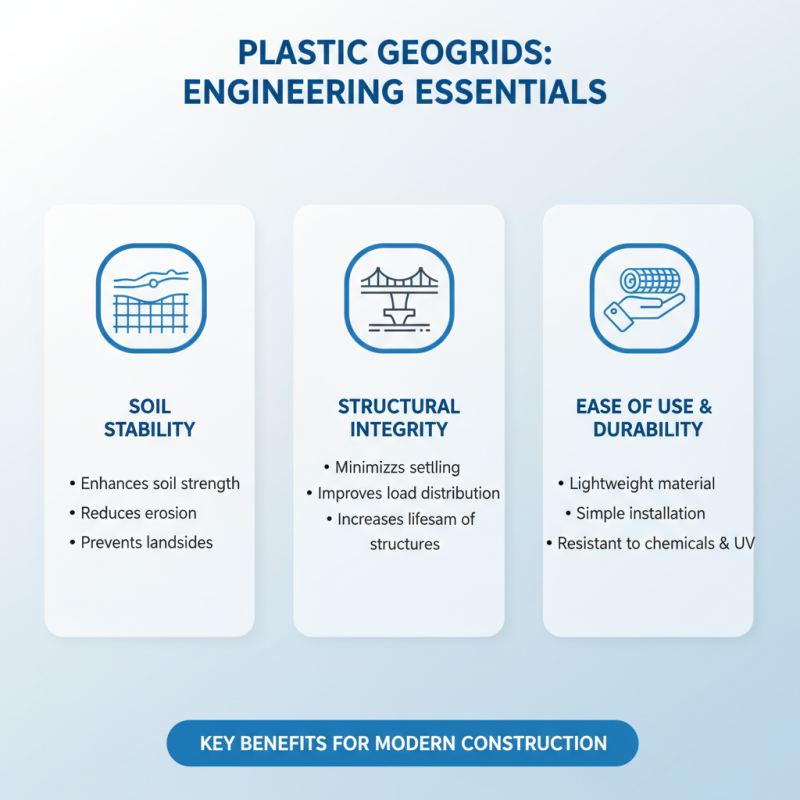
Plastic geogrids have become essential in civil engineering projects. They enhance soil stability, reduce settling, and improve load distribution. These benefits make them a valuable choice for various construction needs. Their strength and durability lead to long-lasting structures. They are lightweight and easy to handle, which simplifies the installation process.
When using plastic geogrids, consider these tips. First, ensure proper soil preparation. The effectiveness of geogrids depends on the site conditions. Inadequate preparation might lead to insufficient performance. Secondly, use the right type of geogrid for your specific project needs. Different projects may require varying mesh sizes for optimal effectiveness. Lastly, monitor the installation closely. Even small errors during placement can impact the overall performance.
Using plastic geogrids can lead to significant cost savings in the long run. They minimize the need for additional materials, which helps to keep project budgets in check. The reduction in maintenance and repair costs further emphasizes their value. However, engineers must remain vigilant. It's crucial to assess the load conditions and ensure that the geogrids are appropriately used throughout the project lifespan. Proper planning is vital for maximizing the benefits of this versatile material.
When installing plastic geogrid, it’s crucial to ensure proper alignment and tension. Misalignment can lead to uneven load distribution. In a recent industry study, almost 30% of geogrid failures were attributed to improper installation techniques. Attention to detail is vital. The ground preparation phase must not be overlooked. Multiple layers of geogrid can enhance stability, but layering requires precision and care.
Choosing the right type of plastic geogrid matters. Specific projects benefit from different specifications. A report indicated that including proper drainage systems can increase durability by up to 40%. Skimping on this can lead to long-term issues. Use mechanical fasteners where applicable to secure the geogrid. This method often proves more reliable than relying on soil friction alone.
Regular inspections post-installation can prevent future complications. Over time, soil erosion can undermine the structure. Some professionals wait too long between checks, which could be detrimental. The reality is that many overlook simple maintenance steps. Even small adjustments can extend the life of the installation significantly.
Evaluating soil conditions is crucial before implementing plastic geogrid solutions. Proper assessment can prevent project setbacks. Soil properties, including texture and density, should be analyzed. This analysis helps in understanding load-bearing capacities. Take samples from various depths. Variability might surprise you.
Tip one: Perform a thorough site analysis. Knowing local soil types aids in effective geogrid selection. Use both qualitative and quantitative methods. Engage geotechnical experts for reliable insights.
Tip two: Consider moisture levels in the soil. High moisture can affect stability. Implement drainage solutions where necessary. Sometimes, adjusting the moisture levels is essential for better results.
Every project is unique. Some soil conditions may complicate the installation. Addressing these irregularities early can save time and resources. Remain flexible in your planning. Adapt your approach as new information emerges.
Proper maintenance of plastic geogrid installations is crucial for maximizing their lifespan and performance. Regular inspections can identify potential issues before they escalate. It’s important to carry out these checks at least twice a year. Look for signs of deformation or soil erosion around the edges. Addressing these warnings early can prevent costly repairs down the line.
Another pivotal maintenance tip involves managing vegetation. While some vegetation is beneficial, excessive growth can compromise geogrid integrity. Roots can infiltrate the grid, causing structural problems. It’s advisable to regularly trim back any overgrown plants. Studies suggest that maintaining clear zones around these installations can enhance their durability by as much as 30%.
Lastly, pay attention to site drainage. Waterlogged conditions can weaken the soil and directly affect geogrid functionality. Ensure that your installation site has proper drainage to avert puddling and erosion. Regular maintenance checks focused on these aspects can lead to a more robust installation. Don’t overlook the importance of proactive care; it truly makes a difference.