Why is Geotextile Use Essential for Construction Projects?
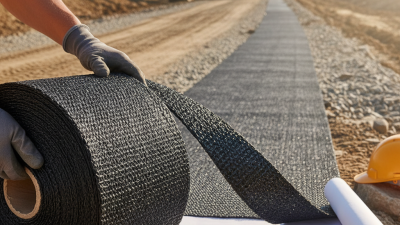
In modern construction projects, the importance of Geotextile Use cannot be overstated. These materials serve critical functions, providing stability and sustainability to various structures. Geotextiles can prevent soil erosion, enhance drainage, and support the overall integrity of construction sites.
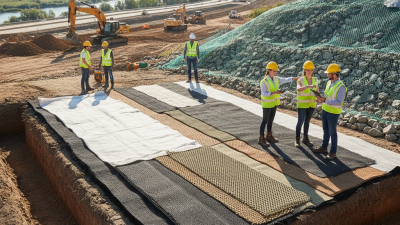
When implemented correctly, Geotextile Use helps to improve soil conditions and allows for better load distribution. This leads to safer and more durable construction outcomes. However, it is essential to recognize that improper application can lead to failures. Not every project necessitates geotextiles, underscoring the need for careful assessment.
Understanding the specific requirements of a construction site is vital. Experts in the field emphasize the need for proper material selection and installation practices. A lack of experience can result in costly mistakes. Geotextiles represent a versatile solution, but their effectiveness hinges on appropriate usage.
Importance of Geotextiles in Modern Construction Practices
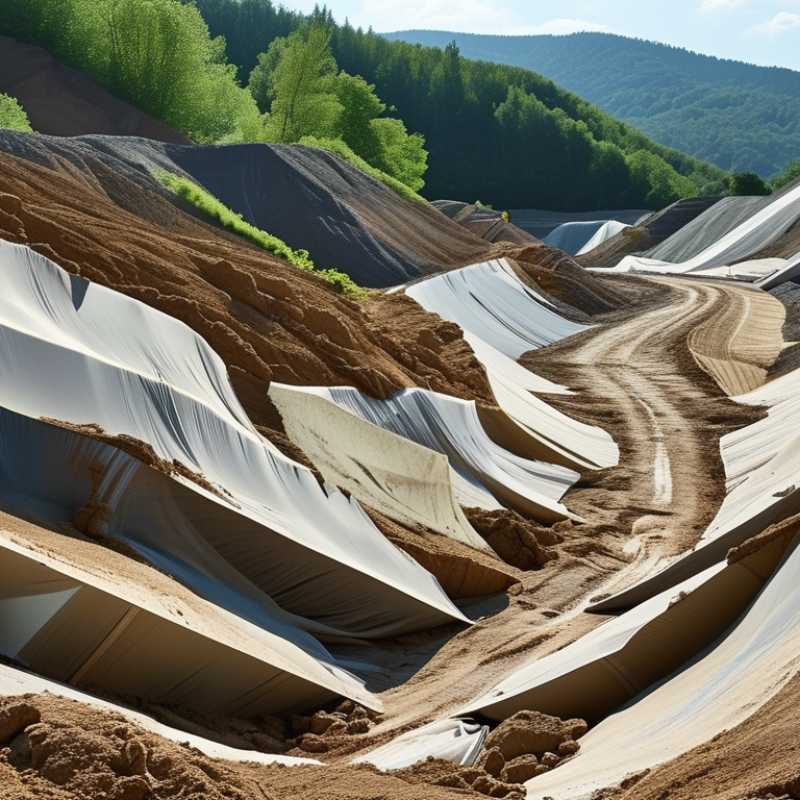
Geotextiles play a vital role in modern construction practices. They help improve soil stability and prevent erosion. These synthetic fabrics act as a barrier, separating different soil layers while allowing water to flow through. This action keeps construction sites safe and extends the lifespan of structures.
Incorporating geotextiles can enhance drainage systems. They filter out sediments, ensuring clear water paths. When used in road construction, they reduce the risk of premature damage. It's crucial to select the right type for each specific project. Missteps here can lead to costly repairs later.
Tips: Always test soil conditions before installation. This ensures the chosen geotextile meets project needs. Consider the environment, too. Some geotextiles may not be suitable for all climates. Regular inspections are necessary to identify wear and tear. Addressing these issues early can save significant costs.
Types of Geotextiles Used in Construction Projects
Geotextiles play a critical role in construction projects. They are crucial for managing soil, water, and other materials. Various types of geotextiles serve different purposes, and choosing the right one is essential for project success.
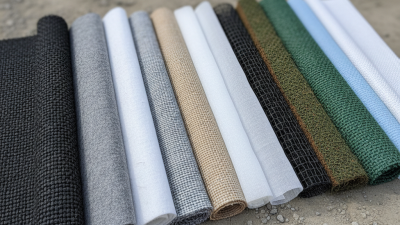
This material is broadly categorized into woven and non-woven geotextiles. Woven geotextiles are made from interlaced fibers. They provide excellent reinforcement and separation within soil layers. Non-woven geotextiles, on the other hand, are made from randomly oriented fibers. They offer high permeability and allow water to pass through while retaining soil particles. This feature is vital for drainage applications.
Some projects may struggle with the choice between these types. The wrong choice can lead to project delays and extra costs. For example, using a woven geotextile in a drainage application may result in inadequate water flow. It is also vital to consider environmental factors. Soil type, moisture levels, and load-bearing requirements all influence geotextile selection. Understanding these aspects can minimize problems during construction. Each project brings unique challenges that require careful consideration of geotextile properties.
Why is Geotextile Use Essential for Construction Projects? - Types of Geotextiles Used in Construction Projects
| Type of Geotextile |
Primary Use |
Material |
Benefits |
| Non-woven Geotextile |
Separation, filtration, and drainage |
Polypropylene or polyester |
High permeability, lightweight, easy to install |
| Woven Geotextile |
Soil stabilization and reinforcement |
Polypropylene |
Durable, high tensile strength, ideal for heavy loads |
| Composite Geotextile |
Combined functionality for separation and filtration |
Woven and non-woven materials |
Versatile, efficient, and cost-effective |
| Geogrid |
Reinforcement of soil and pavement |
Polyester or polypropylene |
Reduces material use, enhances stability |
Key Benefits of Using Geotextiles in Soil Stabilization
Geotextiles play a crucial role in soil stabilization, making them invaluable for construction projects. By providing a strong barrier against soil erosion, these materials improve the durability of structures. They serve various functions, including separation, filtration, and reinforcement, which enhances soil structure.
Using geotextiles can lead to significant cost savings. For instance, they reduce the need for excessive drainage systems. This efficiency helps in managing water effectively, minimizing the risk of flooding or landslides. When properly installed, geotextiles can support the weight of structures, preventing soil collapse.
While geotextiles offer numerous advantages, challenges remain. Installation must be done carefully to maximize effectiveness. Improper use can negate benefits, such as inadequate drainage or reduced soil strength. Awareness of these issues is essential for project success. Understanding the specifics of geotextile properties enhances their performance in various soil conditions.
Applications of Geotextiles in Infrastructure Development
Geotextiles play a vital role in modern infrastructure development. Their applications are numerous, ranging from soil stabilization to drainage systems. In road construction, geotextiles reduce erosion and enhance stability. By separating soil layers, they maintain the integrity of the pavement. This increases the lifespan of roads and minimizes maintenance costs.
In building projects, geotextiles aid in managing stormwater. Their permeability allows water to pass through while filtering out sediments. This helps prevent flooding and promotes healthier ecosystems. Additionally, in landfill construction, geotextiles serve as barriers against contaminants. Thus, they protect the surrounding environment.
Tips: Always consider the local soil type when selecting geotextiles. Understanding your materials can enhance performance. Proper installation is also crucial. Mistakes during installation can lead to serious issues, such as soil erosion. Make sure to consult with professionals if unsure about the application.
Importance of Geotextiles in Construction Projects
This chart illustrates the various applications of geotextiles in construction projects, highlighting their significance in enhancing project sustainability and performance. As shown, road construction and erosion control are the primary applications, followed by other essential uses such as landfill projects and drainage systems.
Environmental Impact and Sustainability of Geotextile Use
Geotextiles play a crucial role in promoting environmental sustainability in construction projects. These fabrics enhance soil stability and reduce erosion, decreasing the need for additional materials. According to a 2021 report from the International Geosynthetics Society, using geotextiles can lower soil erosion by up to 80%. This reduction contributes directly to minimizing the environmental footprint of construction sites.
One significant environmental impact is water management. Geotextiles assist in drainage and filtration, allowing for improved water quality. By filtering pollutants before they reach natural water bodies, they help protect local ecosystems. In regions experiencing heavy rainfall, geotextiles can prevent flooding, preserving both infrastructure and natural habitats.
Tips: Choosing the right geotextile is essential. Consider factors like soil type and project scale. Proper installation techniques ensure maximum efficiency and longevity.
The use of geotextiles is not without challenges. Some projects implement them incorrectly or neglect to assess environmental conditions. This may lead to unexpected failures or reduced effectiveness. Continuous training and proper site assessment are necessary for successful integration.