What is a Drainage Board and How Does It Work?
A Drainage Board is a crucial element in managing water flow. It helps prevent flooding and water damage. Understanding its function is essential for homeowners and builders alike.
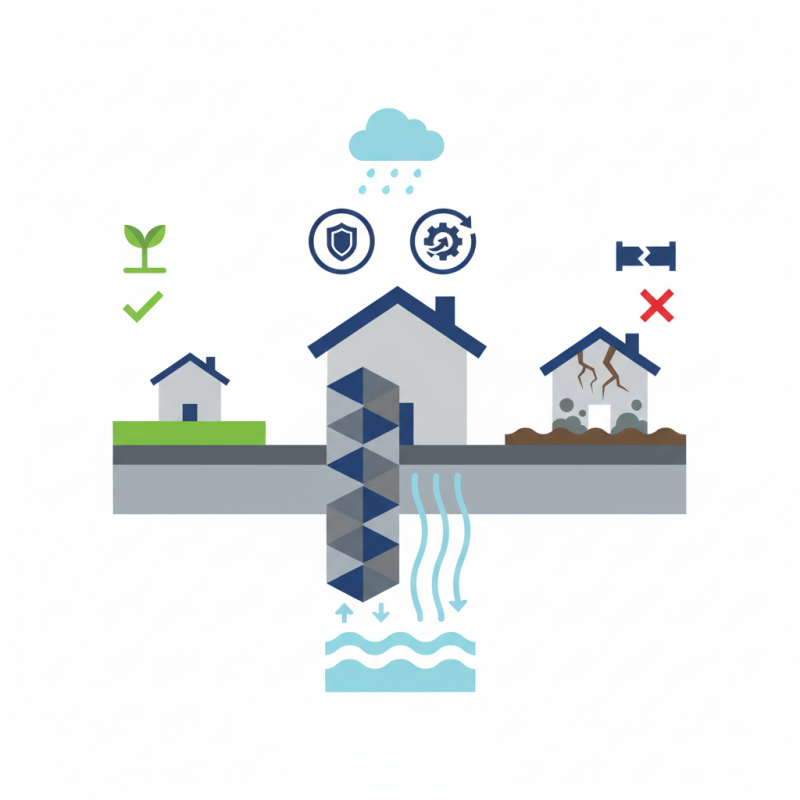
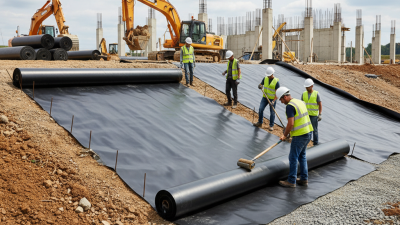
Drainage Boards are often installed around foundations and in various drainage systems. They direct water away from critical areas. This board is made of durable materials, ensuring longevity and efficiency.
However, many people overlook their importance. Issues arise when Drainage Boards are improperly installed or maintained. Regular checks are vital to avoid costly damages. Ignoring this can lead to serious problems. The role of a Drainage Board is simple yet vital in protecting property and ensuring safety.
What is a Drainage Board?
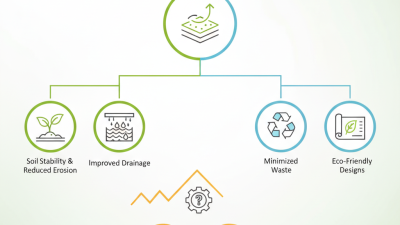
A drainage board is a vital tool in managing excess water. It consists of a series of interconnected channels designed to direct water away from vulnerable areas. These boards are commonly used in agricultural fields, urban landscapes, and anywhere water management is essential. Their design helps prevent flooding and soil erosion.
The primary function of a drainage board is to collect and convey stormwater efficiently. It works by guiding water away from structures or farmland. As water flows through the board, sediment and debris can settle, leading to blockages. Regular maintenance is crucial to keep drainage systems functional. Neglecting this can lead to pooling water and further complications.
While drainage boards are effective, they are not without challenges. Poor installation can lead to inefficiencies. Some systems may not account for extreme weather changes. This can result in overwhelmed drainage, causing damage rather than protection. Understanding these potential pitfalls is key to improving drainage systems. Addressing these issues requires careful planning and ongoing attention.
Drainage Board Usage in Various Applications
This chart illustrates the usage of drainage boards across various applications, showcasing their significance in managing water in agriculture, construction, landscaping, wetlands, and road projects.
History and Evolution of Drainage Boards
The history of drainage boards dates back several centuries, as societies grappled with water management. Early civilizations recognized the importance of drainage to protect land and crops. Ancient Romans and Egyptians developed basic systems to channel excess water. These early efforts laid the foundation for modern concepts of drainage boards.
In the Middle Ages, drainage became vital in Europe, especially in low-lying areas. Land reclamation projects emerged, aimed at converting marshlands into arable fields. These initiatives often involved community cooperation, reflecting the social dynamics of the time. However, methods were rudimentary, leading to frequent flooding and environmental degradation. This resulted in a need for organized management of waterways.
By the 19th century, the establishment of formal drainage boards marked a significant evolution. These boards were tasked with developing comprehensive drainage plans. They addressed the inefficiencies of earlier practices, but challenges remained. Conflicts over water rights and land use often arose. Advancements in engineering facilitated better drainage systems, yet debates continue over environmental impacts. The evolution of drainage boards reflects humanity's ongoing struggle with water management and sustainability.
Key Components and Materials Used in Drainage Boards
Drainage boards are essential for effective water management in construction and landscaping. They help control moisture levels, preventing soil erosion and promoting plant health. The key components of drainage boards include perforated plastic sheets and filter fabrics. These materials allow water to flow while filtering out sediments. According to industry reports, the use of high-density polyethylene (HDPE) accounts for over 60% of drainage board materials due to its durability.
The design of a drainage board is crucial. Perforated sheets allow water to enter while ensuring air circulation. Filter fabrics enhance this process by blocking dirt. This combination promotes healthy root systems for plants, which is vital in agriculture and landscaping sectors. Tip: Always consider soil type when selecting drainage boards. Different soils have unique water retention capabilities.
However, not all drainage systems are flawless. Installation errors can lead to soil saturation. A poorly designed drainage board may fail in heavy rain. Regular maintenance is required to prevent blockage. Sometimes, using multiple layers of different materials can enhance performance. Tip: Check for clogs regularly. Small investments in maintenance can save substantial costs later. Balancing material costs and efficiency is a challenge that needs careful consideration in any drainage project.
How Drainage Boards Function in Water Management
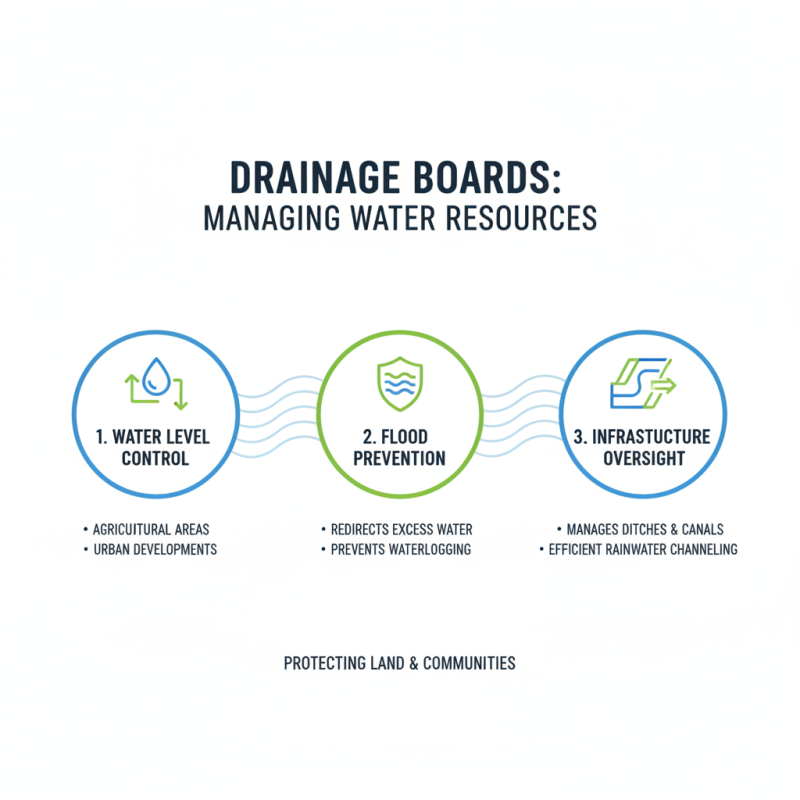
Drainage boards play a vital role in managing water resources. They help control water levels in agricultural and urban areas. By redirecting excess water, they prevent flooding and waterlogging. In many regions, drainage boards oversee the operation of ditches and canals. This ensures that rainwater is efficiently channeled away.
The functionality of drainage boards relies on several factors. They often monitor water flow and soil saturation levels. When water exceeds a certain threshold, actions are taken. Pumps may be activated, and gates might be opened to release water. Effective communication among local farmers and residents is crucial. Sometimes, this communication breaks down, leading to inefficiencies. Drainage boards must adapt and improve these processes.
Additionally, maintenance is an ongoing challenge. Regular inspections of channels and equipment are necessary to prevent blockages. During heavy rains, the demand on these systems can exceed their capacity. This necessitates a flexible response. Each region faces unique obstacles, making universal solutions difficult to implement. Engaging with local communities can lead to better water management practices, though building trust takes time.
Benefits and Challenges of Implementing Drainage Boards
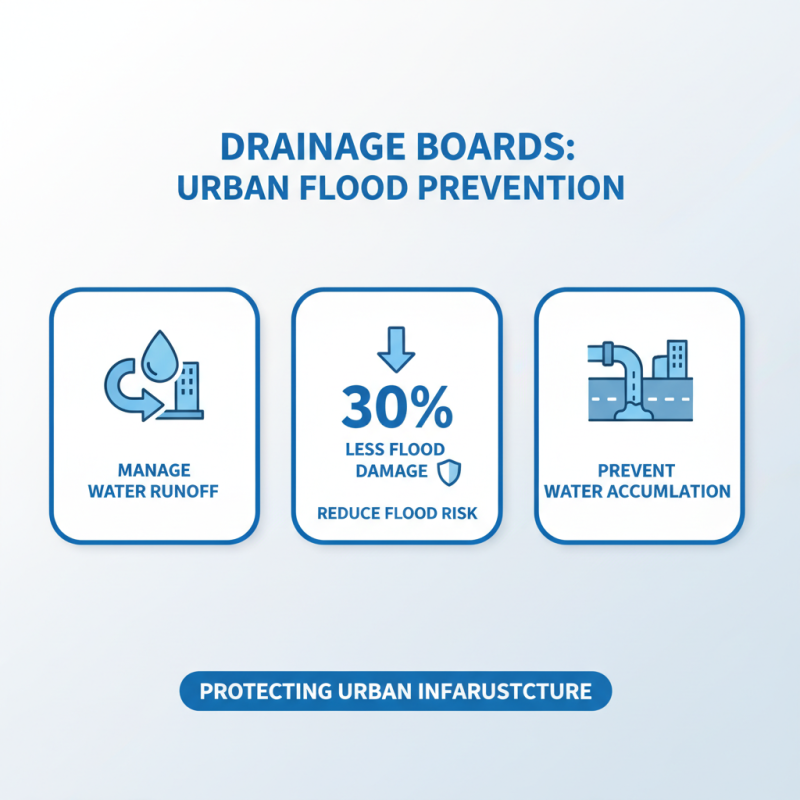
Drainage boards play a vital role in managing water runoff effectively. Their primary benefit lies in reducing the risk of flooding in urban areas. According to recent studies, communities utilizing drainage boards experience a 30% decrease in flood-related damages. This statistic highlights the effectiveness of such systems. By channeling rainwater away from infrastructure, drainage boards prevent water accumulation.
However, implementing drainage boards is not without its challenges. Designing systems that meet specific community needs can be complex. Local soil conditions, rainfall patterns, and existing infrastructure all influence effectiveness. A report from the American Society of Civil Engineers emphasizes that over 60% of drainage projects face delays due to design issues. This can lead to increased costs and frustration among stakeholders.
Moreover, maintenance is a prominent concern. Neglected drainage systems can lead to blockages. Regular upkeep requires funding and community involvement. A survey showed that only 40% of municipalities allocate sufficient resources for maintenance. This lack of investment can undermine the very benefits drainage boards are meant to provide. Engaging local communities for proactive maintenance strategies is essential for long-term success.