How to Use Concrete Cloth for Construction and Landscaping?
Concrete Cloth is revolutionizing construction and landscaping projects with its unique properties. As a concrete-infused fabric, it provides a flexible and durable solution for various applications. According to a recent report by the International Journal of Engineering, the market for innovative construction materials like Concrete Cloth is expected to grow by 25% annually over the next five years.
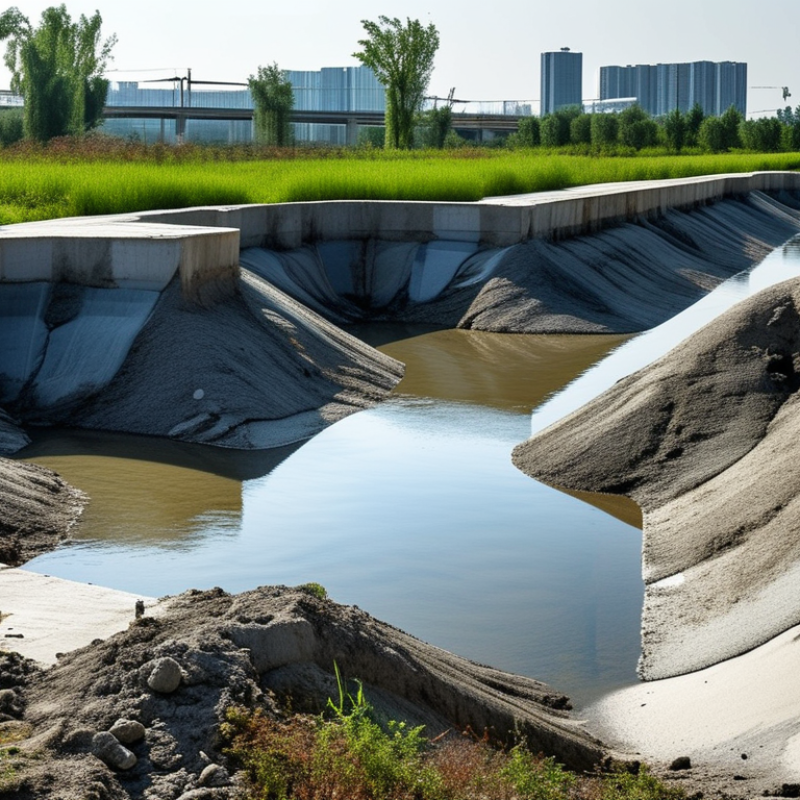
The versatility of Concrete Cloth makes it suitable for erosion control, protective lining for channels, and even architectural applications. Its lightweight nature, compared to traditional concrete, allows for easier installation and reduced labor costs. In a field where cost efficiency is crucial, this material stands out. However, some projects have faced challenges in ensuring proper bonding and surface finishing, which require expert knowledge for optimal results.
As industries increasingly prioritize sustainability, Concrete Cloth offers an eco-friendlier alternative. Its ability to withstand harsh weather conditions ensures long-term durability. While the promise of Concrete Cloth is significant, there's still room for improvement in research and development to address specific application challenges. The construction world is evolving, and understanding how to effectively utilize Concrete Cloth can become a game-changer for professionals in the field.
Understanding Concrete Cloth: A Comprehensive Overview
Concrete cloth represents an innovative material in the construction and landscaping industries. This textile-like concrete solution is reinforced with fibers, making it flexible yet durable. According to a report by the International Journal of Construction and Building Materials, the material can typically reduce carbon emissions by up to 50% compared to traditional concrete production techniques. This eco-friendly aspect can attract environmentally conscious projects.
When using concrete cloth, it’s essential to consider its application. It can be molded into various shapes and used for erosion control, landscaping walls, and even temporary road surfaces. The adaptability of concrete cloth allows it to conform to different environments, making it a versatile choice. However, not all projects will benefit from its use; careful analysis is necessary.
Tips: Always assess ground conditions before installation. Ensure that the surface is stable to prevent future issues. Also, consider the local climate as extreme weather can affect the cloth's longevity. Concrete cloth requires proper sealing for longevity in wet environments.
Lastly, while concrete cloth is a progressive choice, it’s crucial to remain aware of potential downsides. Its long-term performance in various soil types is still being studied. Users must monitor how it ages in different conditions to understand its full capabilities and limitations.
Usage of Concrete Cloth in Construction and Landscaping
Materials Required for Working with Concrete Cloth
Concrete cloth is an innovative material used in various construction and landscaping projects. To effectively work with concrete cloth, specific materials are required. These materials ensure the successful application and durability of the project.
You will need a roll of concrete cloth, which typically comes in various sizes. A cutting tool is essential for shaping the cloth to fit your needs. Additionally, having a water source is critical to activate the concrete within the cloth. A spray nozzle can aid in controlling the water application. Basic protective gear, such as gloves and safety glasses, is also necessary to ensure safety while working.
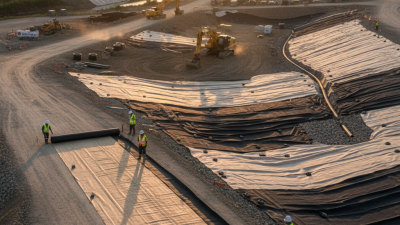
For anchoring the cloth, you might consider stakes or weights to hold it in place during installation. The surfaces where you apply the cloth should be clean and dry. Imperfections in the ground can affect the final result. Planning your layout ahead can help avoid mistakes. Failing to prepare may lead to uneven surfaces or inadequate adhesion. Attention to detail during installation can significantly impact the outcome.
How to Use Concrete Cloth for Construction and Landscaping? - Materials Required for Working with Concrete Cloth
| Material |
Description |
Application |
| Concrete Cloth |
A flexible cement-impregnated fabric that hardens when hydrated. |
Used for erosion control, slope stabilization, and as a protective layer. |
| Water Supply |
Source of water to hydrate the concrete cloth effectively. |
Essential for activating the cement in the cloth. |
| Utility Knife |
Tool for cutting concrete cloth to the desired size. |
Necessary for landscaping and construction needs. |
| Geotextile Fabric |
Non-woven fabric that can be used underneath concrete cloth. |
Provides additional support and prevents soil erosion. |
| Shovel |
Tool for digging and preparing the site. |
Necessary for creating a level base for installation. |
Step-by-Step Installation Process for Construction Projects
Concrete cloth is an innovative material for construction and landscaping projects. Its unique properties allow for efficient and effective installation. Here’s a step-by-step installation process for your projects.
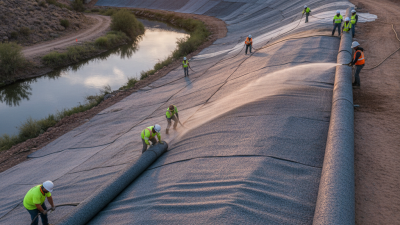
Begin by preparing the site. Clear the area and ensure the ground is level. According to industry reports, well-prepared surfaces enhance the integrity of concrete cloth structures. Lay the concrete cloth flat, ensuring it covers the desired area. Overlap the seams by at least 25%, which is crucial for preventing water infiltration.
Next, use water to activate the cement in the cloth. This process usually takes 24 hours for curing. During this time, maintain moisture on the surface. Industry studies show that this significantly improves durability. As the cloth cures, monitor for any uneven areas. Addressing these issues early can mitigate long-term problems.
Tips: Always wear appropriate protective gear when working with concrete cloth. Check weather conditions before installation. Rain can impact the curing process. Regular inspections during the curing phase help ensure that the installation maintains its integrity. A minor oversight can lead to costly repairs down the line.
Best Practices for Landscaping with Concrete Cloth
Concrete cloth is transforming the landscaping industry. This innovative material combines the durability of concrete with the flexibility of fabric. It can be easily molded to various shapes and surfaces. According to industry reports, it reduces installation time by up to 70%. This efficiency is crucial for projects needing quick turnaround.
When utilizing concrete cloth, understanding moisture management is vital. Improper installation can lead to issues like cracking or erosion. Choosing the right area is essential. For instance, slopes may require additional support to prevent shifting. Regular maintenance checks are recommended to ensure long-term stability.
Sustainability is another consideration. Concrete cloth can help with soil erosion while promoting vegetation growth. An estimated 40% of landscaping professionals report improvement in soil retention with this material. However, some landscapers find it challenging to blend styles. Striking the right balance between aesthetics and function is necessary for better results.
Maintenance and Care Tips for Long-lasting Concrete Cloth Structures
Concrete cloth has transformed
landscapes and construction sites, but maintenance is crucial for longevity.
Regular inspection is key. Check for any
cracks or surface degradation. If found, address them promptly
to prevent water damage or fraying. A study by the American Concrete Institute
notes that proper maintenance can extend the lifespan of concrete structures by
30%.
Cleaning is also essential. Use a
pressure washer to remove dirt or debris accumulated
over time. This process often reveals issues that may go unnoticed. Be conscious of using
harsh chemicals, which can degrade the material. Keep in mind that even with regular care,
wear and tear is inevitable. Plan for
periodic assessments, especially after extreme weather.
Additionally, consider the surrounding environment. In
high-wind areas, edges may lift or curl. Securing the material
properly is vital to avoid costly repairs. Adopting these maintenance strategies can ensure your
concrete cloth projects remain both
functional and aesthetically pleasing. Remember, neglecting these practices could lead to
significant long-term issues. Adapt and
reflect on previous work to improve
future outcomes.