What is Concrete Cloth and How is it Changing Construction Techniques?
Concrete Cloth is revolutionizing the construction industry by combining the benefits of traditional concrete with innovative textile technology. According to a 2022 industry report by MarketsandMarkets, the global market for geosynthetics, which includes Concrete Cloth, is expected to reach $16 billion by 2025. This growth speaks volumes about its potential impact on construction practices worldwide.
Industry expert Dr. Emily Chen, a materials scientist, stated, "Concrete Cloth allows for rapid deployment and flexibility in applications that traditional concrete simply cannot match." This innovative material is not only lightweight but also offers water resistance and durability. As a result, it is finding applications in areas ranging from erosion control to temporary shelters. The quick application methods provided by Concrete Cloth are changing construction timelines dramatically, making projects faster and more efficient.
However, the introduction of Concrete Cloth is not without challenges. The long-term environmental impacts are still under investigation. It's crucial for the industry to reflect on these potential drawbacks as they promote its widespread use. Balancing innovation with sustainability will be essential as this material continues to reshape construction techniques.
What is Concrete Cloth?
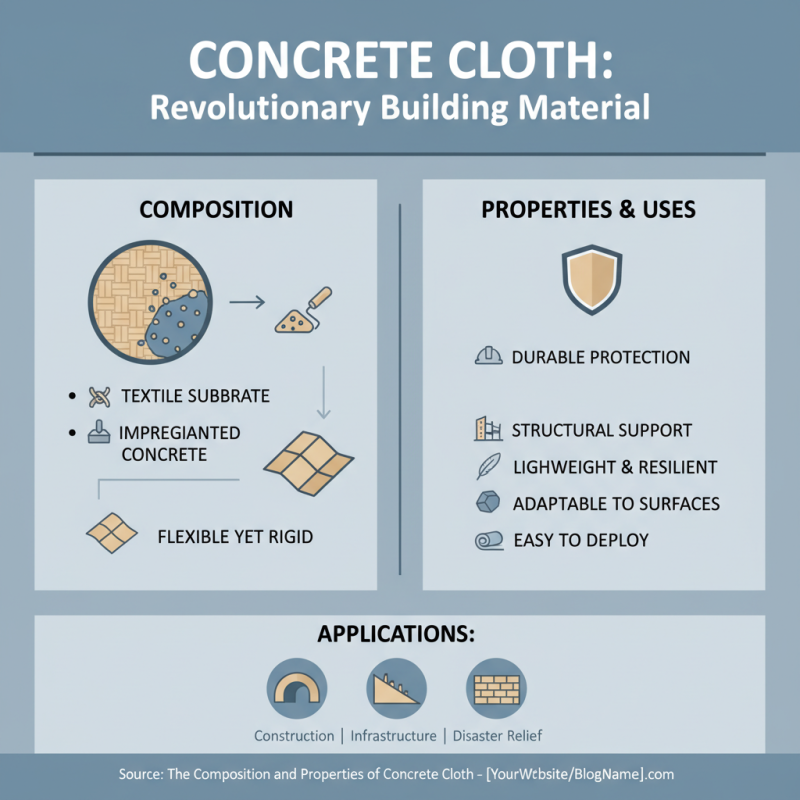
Concrete Cloth is an innovative material that is reshaping construction techniques. This unique fabric comprises concrete fibers that can be molded into various shapes. Upon exposure to water, it hardens into a solid, durable surface. Industry reports indicate that Concrete Cloth can be up to five times lighter than traditional concrete, making it easier to transport and install.
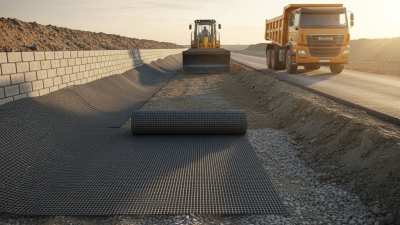
The versatility of Concrete Cloth extends beyond simple applications. For instance, it is used in erosion control, road construction, and even in landscaping. According to a recent study from The Construction Industry Institute, the use of Concrete Cloth can reduce labor costs by 30% in specific projects. However, some concerns remain. The long-term sustainability and environmental impact of its production are still under debate. While it offers numerous advantages, the industry must address these considerations.
Concrete Cloth embodies the potential of modern engineering. It combines functionality with an approach that challenges traditional methodologies. Nonetheless, as with any new material, the construction sector must navigate the complexities that come with innovation. The balance between efficiency and sustainability is crucial for the future of construction.
Innovative Applications of Concrete Cloth in Construction
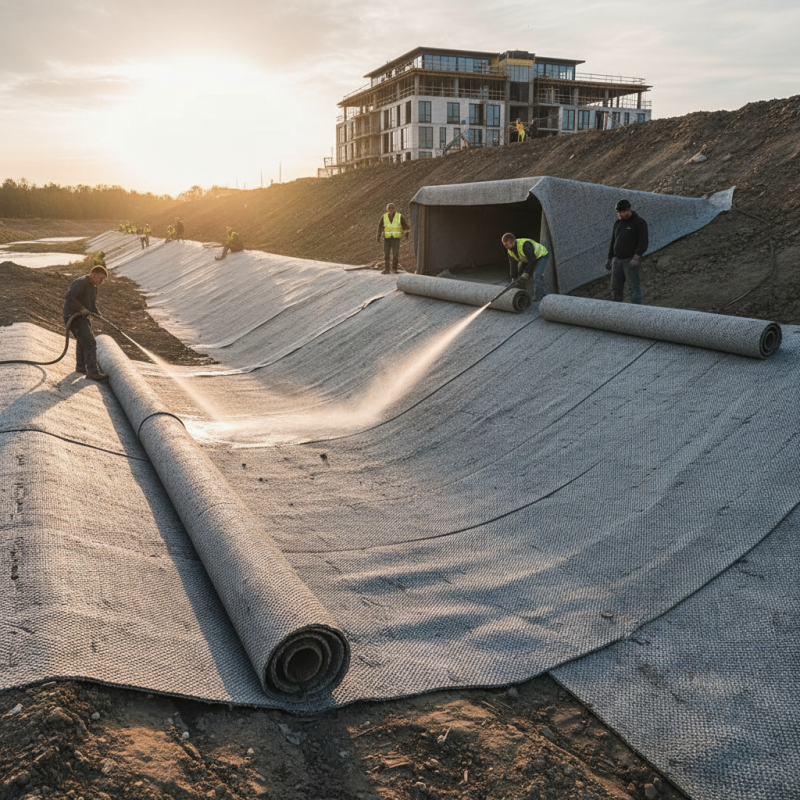
Concrete cloth is revolutionizing construction with its unique properties and applications. This material is a flexible, concrete-impregnated fabric that hardens when hydrated. Projects employing concrete cloth have reported a reduction in installation time by 50% compared to traditional methods. This efficiency is particularly beneficial in areas where rapid construction is essential, such as
emergency repairs or temporary structures.
One innovative application is
erosion control. Concrete cloth can be deployed on riverbanks and slopes, stabilizing soil and preventing degradation. According to a report by the American Concrete Institute, this method not only protects the environment but also proves
cost-effective. Maintenance costs associated with traditional solutions can be significantly higher over time, making concrete cloth a smarter investment.
Tip: Consider using concrete cloth in areas prone to erosion. Its adaptability allows it to fit shapes and contours, providing maximum effectiveness.
However, there are challenges to consider. The installation process requires
adequate training and understanding of the material's behavior. Certain job sites may also pose difficulties due to the need for hydration. Construction experts often emphasize the importance of planning and testing before full-scale application. Engaging with experienced professionals can mitigate these risks.
Comparative Advantages Over Traditional Materials
Concrete Cloth represents a significant innovation in construction materials. It combines concrete with a flexible fabric, allowing for easy application in various environments. This unique composition offers several advantages over traditional materials, making it a game-changer in the construction industry.
One of the primary benefits is its lightweight nature. Unlike conventional concrete, Concrete Cloth is easier to transport and install. This flexibility can speed up project timelines and reduce labor costs. Additionally, the material is resistant to harsh weather conditions and UV exposure. This durability ensures longevity, which is crucial for infrastructure projects.
While transitioning to this advanced material can be beneficial, challenges exist. For example, there may be a learning curve for construction professionals familiar with traditional methods. Innovations often come with a need for education. Embracing new techniques may require retraining workers in the field. It is essential to weigh these factors before implementing Concrete Cloth in large-scale projects. The right balance of innovation and tradition is key in shaping the future of construction.
Comparative Advantages of Concrete Cloth Over Traditional Materials
Future Trends in Construction Techniques with Concrete Cloth
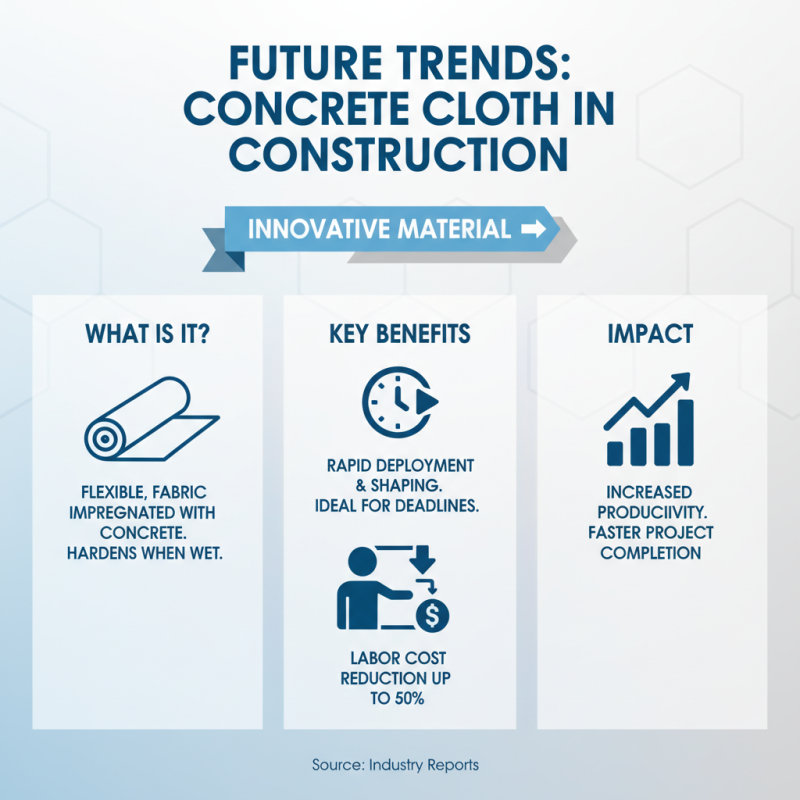
Concrete cloth is transforming construction techniques with its unique properties and applications. This innovative material is a flexible, concrete-impregnated fabric that hardens when hydrated. It offers rapid deployment and can be molded into various shapes, making it ideal for projects with tight deadlines. Industry reports highlight that using concrete cloth can reduce labor costs by up to 50%. This efficiency boosts productivity in fast-paced construction environments.
Future trends indicate that concrete cloth will play a larger role in sustainable construction. As urban areas expand, managing stormwater runoff becomes critical. Concrete cloth can act as a temporary or permanent solution for erosion control and landscape stabilization. A report from the International Concrete Repair Institute states that incorporating such materials can lead to a 30% reduction in environmental impact. However, the long-term durability of concrete cloth still requires more investigation.
Research shows that integrating innovative materials like concrete cloth could revolutionize construction standards. Yet, these advancements come with challenges. Engineers must carefully assess soil interactions and climate effects on these materials. There is still room for improvement in understanding how concrete cloth interacts with existing infrastructure. Balancing quick solutions with long-term reliability is essential as the industry evolves.