What is Cirtex Geogrid and How is it Used in 2026?
In recent years, geogrid technology has significantly evolved. Among these advancements, Cirtex Geogrid stands out as a critical solution in civil engineering and construction. By enhancing soil stability, it plays a pivotal role in various applications. The year 2026 marks a significant milestone in the use of Cirtex Geogrid, showcasing its transformation.
Cirtex Geogrid is a polymer-based material, designed for soil reinforcement. It helps in increasing load-bearing capacities for roads, retaining walls, and embankments. Its innovative structure allows it to distribute loads effectively, which minimizes the risk of failure. However, as with any technology, there are points that require reflection and improvement.
Users often need to consider installation practices. Missteps can lead to reduced effectiveness, countering the advantages of Cirtex Geogrid. Additionally, while it holds great potential, contextual challenges still exist. Moving forward, it is crucial to address these aspects in the ongoing development and application of Cirtex Geogrid.

Definition and Overview of Cirtex Geogrid
Cirtex Geogrid is a type of reinforcement material used in various civil engineering projects. This grid structure helps distribute loads across a larger area, enhancing the stability of soil and other surfaces. In 2026, it plays an essential role in construction, roadways, and environmental applications. Data from industry reports indicate a growing demand for geogrid solutions, projecting a market growth of 15% annually.
The geogrid is typically made from polymeric materials. It has intersecting ribs designed to create a high-strength lattice. Such designs increase tensile strength and improve load distribution. According to recent studies, using geogrids can reduce the amount of material required for soil stabilization by up to 30%. This reduction cuts overall project costs and decreases environmental impact.
While Cirtex Geogrid offers significant benefits, the implementation is not without challenges. Ensuring proper installation is crucial, as improper alignment can lead to structural failures. Additionally, some projects report difficulties in sourcing high-quality geogrids, affecting overall performance. These aspects should be closely monitored to maximize effectiveness in future applications.
Key Features and Benefits of Cirtex Geogrid
Cirtex Geogrid is a versatile material used in construction and earthworks, especially in 2026. It enhances the stability of soil and helps in managing loads. The key features include high tensile strength and durability, making it suitable for various applications. It effectively distributes weight across a broader area, reducing the risk of structural failure.
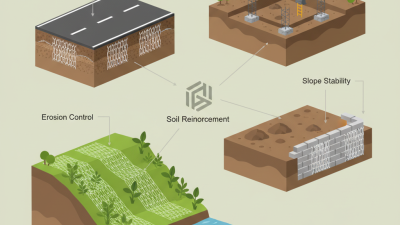
One of the main benefits is its ability to reinforce subgrade layers. This leads to better performance of pavements and roads. By utilizing this geogrid, contractors can achieve longer-lasting surfaces. Additionally, it minimizes the risk of cracks caused by shifting soil. However, not every project can benefit from it. Misapplication can lead to inadequate support, which demands careful planning.
Another significant aspect is its role in erosion control. The geogrid improves vegetation growth by stabilizing soil during heavy rainfall. This could be crucial in environmentally sensitive areas. Yet, it also takes time and requires proper installation. If rushed, results may not meet expectations, leading to future issues. Overall, while Cirtex Geogrid offers compelling features, careful consideration is essential for optimizing its advantages.
Applications of Cirtex Geogrid in Civil Engineering Projects
Geogrids are revolutionizing civil engineering projects in 2026. They provide essential structural reinforcement. These grids improve stability and load distribution in various applications. Roads are one prominent area. Incorporating geogrids enhances the longevity of pavement structures. As vehicles get heavier, reliable ground support is vital.
Another application lies in retaining walls. Here, geogrids lend strength to soil structures. They prevent collapse and erosion. Additionally, geogrids find use in slope stabilization. This method reduces landslide risks. However, engineers must consider soil types and environmental factors. The wrong choice can lead to failure.
Geogrids facilitate better drainage systems as well. Water management is crucial in construction. Geogrids can help direct water flow, reducing erosion risks. Yet, engineers often overlook maintenance needs. Regular checks are essential for longevity. In 2026, the importance of understanding geogrid applications continues to grow.
Installation Techniques for Cirtex Geogrid in 2026
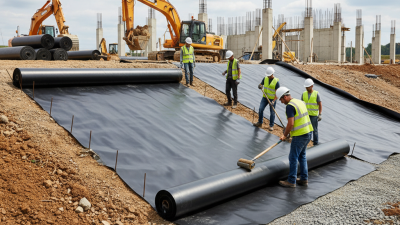
The installation techniques for geogrid systems in 2026 have evolved significantly, focusing on efficiency and effectiveness. Proper installation is crucial for the performance of geogrids in reinforcement applications. It typically involves careful site preparation, laying the geogrid flat, and ensuring adequate tension. A 2022 report highlighted that improperly placed geogrids can reduce their effectiveness by 30%.
In many projects, the use of advanced machinery has improved installation speed. Additionally, techniques such as using localized compaction equipment help achieve optimal embedment depth. This complexity can be challenging. A miscalculation in depth can lead to uneven support. A study indicated that 15% of installations fail due to environmental factors affecting soil characteristics.
Labor training must also keep pace with improving methods. Workers equipped with the latest knowledge can better address installation challenges. Implementing quality checks at every stage can alleviate future problems. Data from 2023 showed that projects with regular training had a 40% lower failure rate. Continuous reflection on these practices is essential to maximize the benefits of geogrids in various applications.
Future Trends and Innovations in Geogrid Technology
In 2026, geogrid technology is set to transform construction and infrastructure projects. It enhances soil stability, reduces material costs, and lowers project timelines. Industry reports suggest that the use of geogrids can cut construction material requirements by up to 50%. This efficiency not only saves money but also promotes sustainability in heavy construction.
Emerging trends indicate a shift towards smart geogrids. These advanced materials incorporate sensors to monitor stress and displacement in real-time. A report by industry analysts notes that around 30% of geogrid users are considering integrating smart technology by 2026. However, adapting to this innovation poses challenges. Reliability, data security, and communication issues must be addressed.
Additionally, geoenvironmental considerations are becoming more prominent. Geogrids can be designed to interact with natural processes, improving erosion control and promoting vegetation growth. Research indicates that projects utilizing eco-friendly geogrids have seen up to a 40% improvement in soil retention. Yet, concerns linger about the long-term impacts of these materials on local ecosystems. Balancing innovation and environmental health remains a critical focus for future developments in geogrid technology.
Innovations in Geogrid Technology (2026)