How to Choose the Right Woven Geofabric for Your Project?
Choosing the right Woven Geofabric can make or break your project. Industry expert Dr. Jane Larson once stated, "Selecting the appropriate geofabric is crucial for success." In today's world, various factors affect your choice. Each project has unique needs. For instance, different soil types and drainage requirements vary significantly.
Woven Geofabric serves multiple purposes. It can provide structural support, erosion control, or filtration. However, not all options will suit your specific situation. The interplay of material properties and environmental conditions must be examined closely. A user may find themselves overwhelmed by choices.
Mistakes in selection can lead to project delays and increased costs. Some may opt for cheaper alternatives, overlooking quality. Over time, these decisions may cause long-term problems. Reflecting on the selection process helps improve future choices. Woven Geofabric is vital in the construction and landscaping industry. Your careful consideration today can lead to enhanced results tomorrow.
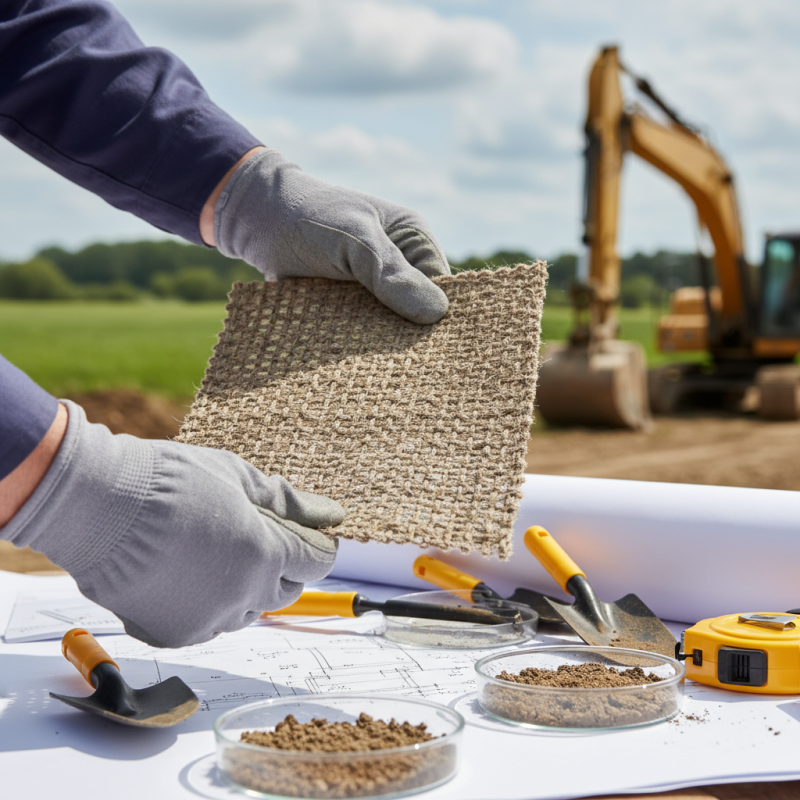
Choosing the Appropriate Woven Geofabric for Soil Stabilization Needs
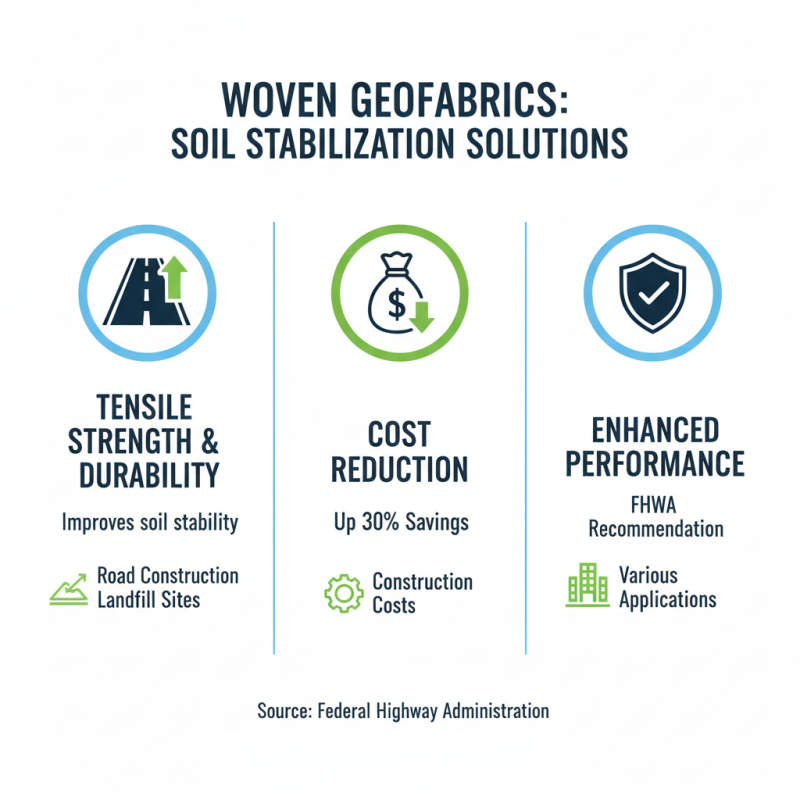
When it comes to soil stabilization, choosing the right woven geofabric is crucial. Woven geofabrics provide excellent tensile strength and durability. They can significantly improve soil stability for various applications, including road construction and landfill sites. According to the Federal Highway Administration, using geofabrics can reduce construction costs by up to 30%.
Tip: Always consider the soil type before selection. Different soils have distinct needs. For instance, sandy soils may require heavier geofabrics to ensure proper stability. Lighter fabrics might not perform well in these conditions.
It's essential to assess the project requirements thoroughly. Analyze factors like load-bearing capacity and environmental conditions. Don’t overlook the importance of permeability. If water cannot pass through effectively, the geofabric may become ineffective. Contact reliable suppliers for guidance based on your specific project demands.
Tip: Prepare for unexpected challenges. Geofabric installation may not always go smoothly. Ground conditions can change, and additional reinforcement might be necessary. Adapting your plan on-site can lead to better outcomes.
Understanding Different Types of Woven Geofabrics and Their Applications
Woven geofabrics come in various types, each serving distinct purposes. The selection often depends on the project requirements. Some are designed for soil stabilization, while others assist with drainage. These fabrics consist of woven polyester or polypropylene threads. Their strength is crucial for supporting heavy loads.
There are three main types: separation, reinforcement, and filtration geofabrics. Separation fabrics prevent mixing between soil layers. Reinforcement types help distribute loads over a wider area. Filtration geofabrics control water flow while keeping soil particles intact. Each type has specific benefits and limitations. Choosing the wrong type may lead to project failures.
Application scenarios vary widely. For instance, road construction often uses separation and reinforcement fabrics. On the contrary, landscape projects focus more on filtration types. Evaluating the site's conditions is vital. Environmental factors, such as moisture and soil type, also impact the choice. Making an informed decision can be quite challenging. There may be unforeseen issues. Therefore, always consider the long-term performance before finalizing your choice.
Assessing Load-Bearing Capacity: Key Data for Project Specifications
When selecting woven geofabric for specific projects, assessing the load-bearing capacity is critical. This capacity directly impacts how the material will perform under stress. According to industry reports, various woven geofabrics can support different loads, often measured in pounds per square foot. Understanding these specifications can prevent future complications.
For example, a geofabric with a load capacity of 2,000 pounds per square foot is suitable for lighter applications, while those exceeding 4,000 pounds are ideal for heavier construction projects. Focus on identifying your project's specific requirements. Determine soil conditions and expected traffic loads. This will help in making an informed choice.
Tips: Always consider the long-term effects of load-bearing when planning. A fabric that meets initial needs may fail under prolonged stress. Take time to analyze the data thoroughly. You may find discrepancies in the capacity claims between different sources. Test samples in real-life scenarios, if feasible, to evaluate performance. Reflect on the project’s unique demands to ensure the chosen geofabric will not disappoint.
Assessing Load-Bearing Capacity of Woven Geofabrics
This bar chart represents the load-bearing capacities of various woven geofabrics measured in kN/m² (kilonewton per square meter) suitable for construction projects.
Evaluating Durability and Environmental Resistance in Woven Geofabrics
Choosing the right woven geofabric requires careful evaluation of durability and environmental resistance. Woven geofabrics often encounter harsh conditions, making resistance vital. According to a recent industry report, fabrics that can withstand UV exposure for over 500 hours demonstrate greater long-term integrity. This is essential for projects in sunlight-prone areas.
Tips: Look for geofabrics that comply with ASTM standards for durability. These standards provide guidance on tensile strength and puncture resistance. Also, consider the geographical location of your project. Materials may react differently to soil conditions and moisture levels.
Environmental resistance includes factors like biodegradability and chemical exposure. A report shows that woven geofabrics with high chemical resistance can last significantly longer in industrial applications. Understanding local environmental conditions can influence your choice. You might find that certain fabrics, despite being robust, can degrade faster in specific environments. Choose wisely based on your project’s unique context.
Cost-Benefit Analysis of Woven Geofabric Choices for Construction Projects
When choosing woven geofabric for construction, a cost-benefit analysis is essential. The right material impacts project efficiency and sustainability. According to a report by the Geosynthetic Institute, the lifecycle cost of geotextiles can vary significantly based on their application.
Typically, high-quality woven geofabrics may cost 10% more upfront. However, they often provide improved durability and reduced maintenance costs over time. In some cases, cheaper alternatives lead to premature failure. This can incur additional labor and replacement costs, often exceeding initial savings. For instance, a project that incorporates superior woven geofabric can reduce soil erosion by 20% more than lower-cost options.
Despite these benefits, not all projects require premium materials. Sometimes, using lower-grade fabrics for temporary solutions proves effective. However, understanding soil types and environmental conditions remains crucial. Industry data indicates that over 30% of construction delays stem from improper material selection. Thus, thorough research on woven geofabric choices is vital for maximizing both initial investments and long-term performance.
How to Choose the Right Woven Geofabric for Your Project? - Cost-Benefit Analysis of Woven Geofabric Choices for Construction Projects
| Geofabric Type |
Material |
Typical Cost per Square Meter |
Durability (Years) |
Applications |
Cost-Benefit Ratio |
| Woven Geotextile A |
Polypropylene |
$1.20 |
10 |
Landfills, Roads |
High |
| Woven Geotextile B |
Polyester |
$1.50 |
12 |
Erosion Control, Construction |
Moderate |
| Woven Geotextile C |
HDPE |
$2.00 |
15 |
Drainage, Filtration |
High |
| Woven Geotextile D |
Bamboo Fiber |
$0.95 |
8 |
Environmental Projects |
Good |