2026 How to Choose Geofabric Bidim for Your Projects?
When selecting Geofabric Bidim for your projects, understanding its applications and benefits is crucial. The global geosynthetics market is projected to grow to $18 billion by 2026, highlighting the increasing demand for reliable materials like Geofabric Bidim. This growth emphasizes the importance of choosing the right products for effective project outcomes.
Geofabric Bidim is essential in civil engineering and environmental applications. It provides effective separation, filtration, and drainage solutions. According to a report by MarketsandMarkets, proper material selection can improve project sustainability by reducing water pollution and erosion. However, many project managers often overlook critical parameters such as soil type and environmental conditions, leading to potential project failures.
Choosing the right Geofabric Bidim requires a detailed evaluation of project requirements. Poor choices can result in increased costs and project delays. Professionals must consider factors such as tensile strength and permeability to optimize performance. By understanding these aspects, projects can achieve significant longevity and reliability.
Understanding Geofabric Bidim: Types and Their Applications
Geofabric Bidim plays a crucial role in various engineering and landscaping projects. This innovative material is primarily made of synthetic fibers and is designed to improve soil stability and drainage. It comes in various types, each tailored to specific applications. For instance, non-woven geofabric is commonly used for erosion control, while woven types offer superior tensile strength for load-bearing applications.
Understanding the distinct properties of these geofabrics is essential. According to a recent industry report, the global geotextile market is expected to reach $10.2 billion by 2027, indicating a growing recognition of their benefits. Woven geofabrics are preferred in heavy-duty applications, offering resistance to mechanical stress. In contrast, non-woven versions are often chosen for projects requiring filtration and separation.
Designing an optimal project with geofabric involves selecting the right type based on specific needs. For example, while non-woven geofabrics excel in water filtration, they may not provide the same structural support as woven varieties. Therefore, project managers need to consider these factors carefully. Flexibility in application is a strength, but it can also lead to confusion. Misapplication can occur if the material's properties are not fully understood, leading to project delays and increased costs.
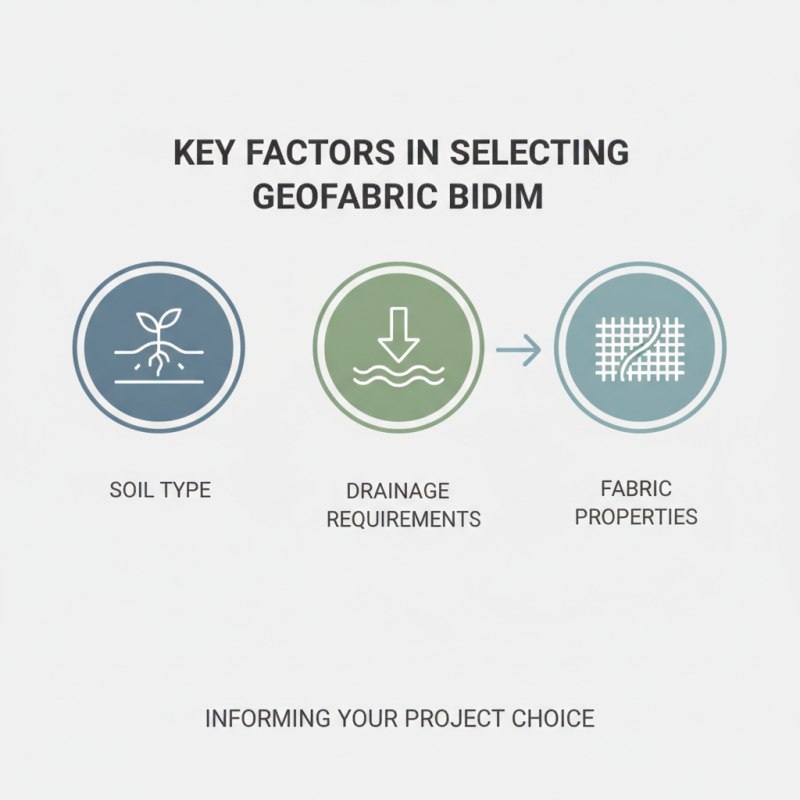
Key Factors in Selecting Geofabric Bidim for Your Project
When selecting geofabric Bidim for your projects, consider several key factors. The type of soil and drainage requirements are critical. Different soils have unique properties. Understanding these properties will guide you in choosing the right geofabric. For instance, if the soil has high moisture retention, a specific fabric type may be necessary.
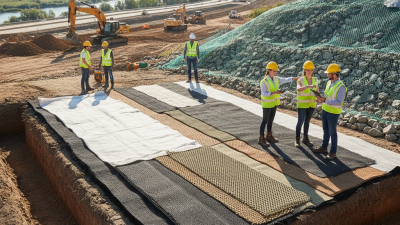
Installation practices can also impact the effectiveness of geofabric. Poor installation may lead to failure in your project. It's crucial to ensure that the fabric is properly laid out and secured. Always check the site conditions before installation. Soil movement or excess moisture can alter your plans, so adapt as needed.
Tips: Assess the site's drainage patterns. Use geofabrics that align with your project goals. Regularly consult with experts for insights. A knowledgeable opinion can prevent costly mistakes. Consider long-term performance, not just immediate needs. Look for evidence of past projects to inform your choice. Reflect on what has worked and what hasn't in similar conditions.
Assessing Soil Characteristics for Appropriate Geofabric Selection
When selecting geofabric bidim for a project, understanding soil characteristics is crucial. Soil type, density, and moisture content directly impact the geofabric's effectiveness. For example, sandy soils drain quickly, requiring a fabric that filters without clogging. On the other hand, clayey soils retain moisture, necessitating a more permeable option to manage saturation.
Consider the load-bearing capacity of the soil. Soft, unstable ground may need a geofabric that provides additional support. Engineers often overlook soil compaction, which can lead to failure in the long run. Testing soil samples before making a decision is essential. Ignoring this step could result in mismatched fabric, risking project integrity.
Moreover, the environmental conditions play a significant role. Reactive soils might change with moisture, affecting the geofabric's performance. A thorough analysis can prevent costly mistakes. Reflecting on these factors encourages better decision-making. It’s not merely about selecting a fabric; it’s about understanding the soil’s behavior.
2026 How to Choose Geofabric Bidim for Your Projects? - Assessing Soil Characteristics for Appropriate Geofabric Selection
| Soil Type |
Soil Characteristics |
Recommended Geofabric Type |
Common Applications |
| Clay |
High plasticity, very low permeability |
Non-woven Geofabric |
Landslide protection, erosion control |
| Sand |
Well-drained, high permeability |
Woven Geofabric |
Road construction, drainage systems |
| Silty Soil |
Moderate water retention, medium permeability |
Composite Geofabric |
Reinforcement, filtration |
| Gravel |
High drainage capacity, low water retention |
Woven Geotextile |
Base stabilization, separation layers |
Cost Considerations and Budgeting for Geofabric Bidim Projects
When budgeting for Geofabric Bidim projects, understanding the costs involved is crucial. Geofabric materials significantly impact project expenses. Industry reports indicate that proper budgeting can reduce overall costs by up to 30%. This reduction is often achieved by selecting the right materials, ensuring you do not overspend.
Geofabric Bidim prices can vary widely based on specifications and project requirements. For instance, heavier fabrics may cost more but provide better durability. A 2022 market analysis shows that lighter varieties may save money upfront, yet might lead to higher maintenance costs in the long run. It’s essential to balance initial investment with potential future expenses.
Additionally, labor costs must be factored into your budget. Installation might require specialized skills, driving up labor rates. Data from recent studies demonstrate that inaccurate budget projections can lead to project overruns of 15% to 20%. Creating a detailed budget allows for adjustments, minimizing unexpected costs and ensuring project feasibility.
Ensuring Longevity and Performance: Maintenance Tips for Geofabric
When selecting geofabric for projects, maintenance is key to longevity. Regular inspections are crucial. Experts suggest checking for tears, punctures, or degradation every six months. Studies show that maintaining geofabric can increase its lifespan by up to 30%. Ensuring proper installation also contributes significantly to performance.
Cleaning geofabric is often overlooked. Accumulated debris can hinder its effectiveness. A report by the Geosynthetic Research Institute indicates that contaminants can reduce permeability. It’s essential to wash geofabric with gentle water pressure when needed. Proper storage during off-seasons is also vital. Not doing so can lead to premature aging.
Remember, not all geofabric is created equal. Real-world cases show that improper maintenance can lead to failure in erosion control or drainage projects. This highlights the need for ongoing education about geofabric usage. Contractors should review guidelines regularly. Ensuring that all team members are informed can greatly enhance project outcomes.
2026 How to Choose Geofabric Bidim for Your Projects?
This chart illustrates the performance metrics of different types of geofabric used in various projects, focusing on durability, water permeability, and UV resistance.