China Top 10 Geotextile Gsm Options for Global Buyers?
The geotextile industry is evolving rapidly, driven by increasing global demand for innovative materials. Geotextile GSM, a critical metric in this sector, reflects the weight and thickness of geotextiles, influencing their performance in various construction applications. According to a 2023 market report, the global geotextile market is projected to grow at a compound annual growth rate (CAGR) of about 10% from 2023 to 2030. This growth is largely due to infrastructure development and environmental protection efforts.
China stands out as a key player in the geotextile market, offering diverse options for global buyers. With advances in technology, manufacturers are producing geotextiles that meet specific needs across different applications. The available GSM options range from lightweight textiles for erosion control to heavier variants suited for severe engineering applications. Understanding these options helps buyers make informed decisions.
However, despite the impressive growth, challenges persist in quality assurance and standardization. The lack of global uniformity in GSM standards complicates procurement for international buyers. As the market continues to mature, a careful examination of available options and their specifications becomes essential for effective implementation.
Overview of Geotextiles and Their Applications in Construction
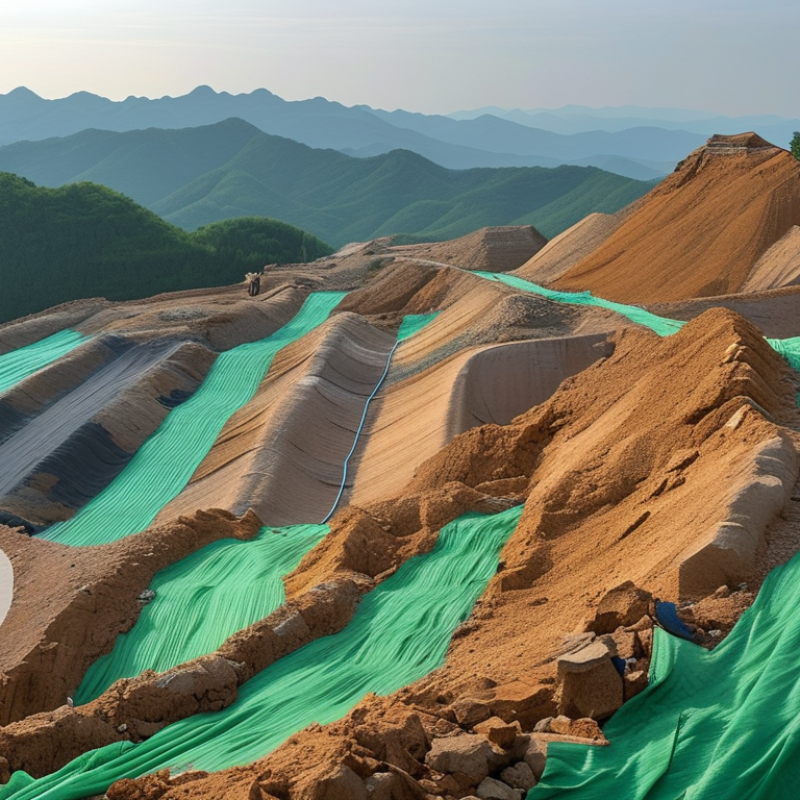
Geotextiles are synthetic fabrics used in various construction applications. They serve as filters, reinforcements, and barriers in many projects. According to a report by the American Society of Civil Engineers, geotextiles can significantly enhance project longevity. They're often used in road construction, erosion control, and landscape projects.
One common type of geotextile is the woven fabric, known for its strength in load-bearing applications. Another type, non-woven geotextiles, excels in filtration and drainage. The global geotextile market size was valued at over $7 billion in 2022, and it is expected to grow steadily. The demand is driven largely by infrastructure development and environmental protection initiatives.
When selecting geotextiles, consider the project requirements. Not all fabrics suit every use. It's also essential to evaluate longevity and performance under environmental conditions. Many factors can affect the durability of geotextiles. Ensure the selected options meet industry standards, as improper choices can lead to costly repairs.
Top Factors Influencing Geotextile GSM Selection for Buyers
Selecting the right geotextile GSM (grams per square meter) is critical for buyers in the construction and environmental sectors. GSM affects durability, permeability, and the ability to filter soil. Industry reports suggest that the national average for geotextile weight ranges from 100 to 800 GSM, depending on the application. For drainage, a lower GSM is often favored, while higher GSM options are preferred for soil stabilization.
One essential factor influencing GSM selection is the project's specific requirements. A project may need a heavier weight geotextile for road construction, while lighter options can suffice for landscaping. Research indicates that improper selection can lead to issues such as soil erosion and increased maintenance costs, underscoring the need for careful consideration. Buyers often overlook the importance of environmental conditions that the geotextile will face, such as humidity and temperature fluctuations.
Understanding the geotextile's role in engineering projects is paramount. Each application mandates a distinct GSM to ensure effective performance. Recent surveys indicate that nearly 35% of construction failures are linked to inadequate geotextile specifications. This often results from choosing unsuitable GSM, emphasizing the necessity for thorough analysis before making a purchase. Therefore, buyers should focus on detailed project specifications and engage with industry experts for informed decisions.
Analysis of China's Leading Geotextile Manufacturers and Suppliers
China has emerged as a key player in the geotextile market. With a mix of innovative techniques and experienced manufacturers, the country offers a range of geotextile products. These products cater to various applications, from construction to environmental protection. The advanced manufacturing processes in China ensure high-quality materials that meet international standards.
Leading manufacturers in China showcase strong expertise in developing cost-effective solutions. Many companies invest in research to enhance product durability and functionality. Their focus on sustainability is evident, reflecting global trends. However, challenges remain, such as fluctuating raw material costs and intense competition. It's crucial for buyers to assess suppliers thoroughly and consider their production capabilities and reputation.
Additionally, the regulatory landscape can influence sourcing decisions. Understanding local standards is vital. Some manufacturers may not fully comply with environmental regulations, which could pose risks. Ensuring reliability in supply chains is also an ongoing concern. Buyers must balance cost with quality and trustworthiness, making informed decisions essential in navigating the complex market.
China Top 10 Geotextile Gsm Options for Global Buyers
| Manufacturer |
GSM Range |
Material Type |
Application |
Certification |
| Manufacturer A |
100 - 150 GSM |
Polypropylene |
Erosion Control |
ISO 9001 |
| Manufacturer B |
150 - 200 GSM |
Polyester |
Road Construction |
CE, ASTM |
| Manufacturer C |
200 - 250 GSM |
Bamboo Fiber |
Landfill Liner |
ISO 14001 |
| Manufacturer D |
100 - 180 GSM |
Natural Fiber |
Drainage Applications |
BREEAM |
| Manufacturer E |
150 - 220 GSM |
Geosynthetics |
Slope Stabilization |
ISO 45001 |
| Manufacturer F |
180 - 230 GSM |
HDPE |
Pavement Reinforcement |
ISO 50001 |
| Manufacturer G |
120 - 190 GSM |
Nylon |
Soil Reinforcement |
TÜV |
| Manufacturer H |
140 - 200 GSM |
Coir Fiber |
Riparian Buffer |
ASTM D-4354 |
| Manufacturer I |
150 - 230 GSM |
Synthetic Blend |
Coastal Protection |
ISO 14046 |
| Manufacturer J |
160 - 210 GSM |
Recycled PET |
Construction Site |
Global Recycle Standard |
Comparative Study of GSM Options in China's Geotextile Market
The geotextile market in China is growing rapidly, benefiting from technological advancements and increased demand. A recent industry report indicates that the GSM options available range from 80 to 600. Higher GSM products tend to offer greater durability and strength. These attributes make them more suitable for specific applications, such as erosion control and road construction.
Additionally, regional variations in production techniques impact the properties of GSM geotextiles. The northeastern provinces are known for high-quality polypropylene options, while other areas focus on polyester materials. This diversification can lead to inconsistencies in performance and customer satisfaction. A deeper understanding of these variations is essential for global buyers seeking reliable products.
On the environmental front, many manufacturers are exploring biodegradable options. However, these products often lag behind traditional ones in performance metrics. Recent studies show that while eco-friendly geotextiles are valued for sustainability, their tensile strength is notably lower. This reality prompts buyers to weigh environmental benefits against practical performance needs.
Sustainability and Innovation in China's Geotextile Industry
Innovation is at the heart of China’s geotextile industry. Sustainable practices are increasingly prioritized. Manufacturers are exploring biodegradable materials. This shift is driven by global demand for eco-friendly solutions. The industry is adapting to reduce plastic waste. Advances in technology allow for better production methods. This enhances the quality of geotextiles while minimizing environmental impact.
However, challenges remain. Many companies still rely on traditional materials. This can slow progress toward sustainability. There is pressure to innovate more quickly. The understanding of what constitutes sustainable materials is still evolving. Some products labeled as "green" may not fully meet environmental standards. This creates confusion for buyers who prioritize sustainability.
Collaboration between manufacturers and buyers is crucial. Open dialogues can help set clearer standards. Buyers should seek geotextiles that are certified for sustainability. Education on the benefits of innovative materials is essential. The future of geotextiles in China hinges on this commitment to change.
China Top 10 Geotextile GSM Options for Global Buyers
This chart illustrates the interest levels of global buyers in various GSM options of geotextiles produced in China. The data indicates that higher GSM values tend to attract more interest, with 300 GSM being the most favored choice.