China Best Gsm Geotextile Solutions for Your Project Needs?
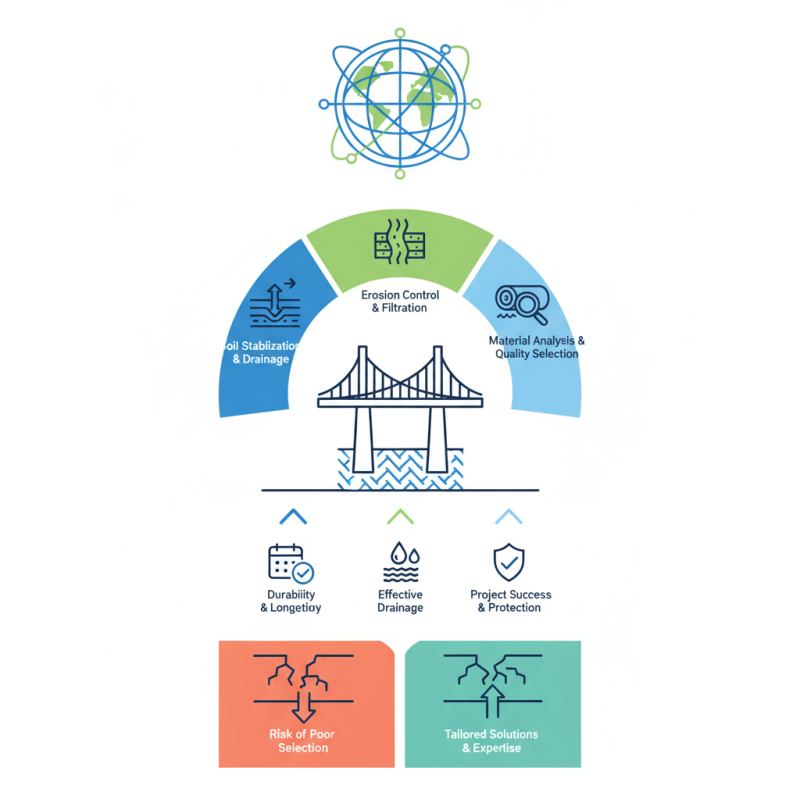
In the realm of geotechnical engineering, "Gsm Geotextile" has become a crucial material for various projects. According to Dr. Zhang Wei, a leading expert in geotextile solutions, "The right Gsm Geotextile can vastly enhance project durability and longevity." His insights highlight the importance of selecting quality materials tailored to project needs.
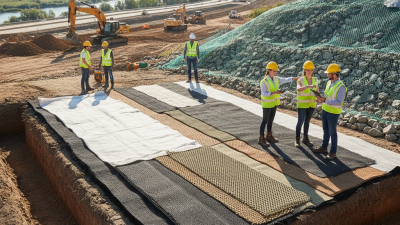
Gsm Geotextile excels in applications such as soil stabilization, drainage, and erosion control. These materials provide effective filtration while allowing water to flow freely. However, not all Gsm Geotextile products are created equal. Projects can suffer without proper analysis of environmental conditions and material specifications. Professionals must understand the unique requirements of each project.
The landscape of Gsm Geotextile solutions is vast and ever-evolving. While many products claim superiority, the selection process often lacks rigorous assessment. Companies sometimes overlook crucial details, leading to failures that could have been avoided. As experts like Dr. Zhang emphasize, careful consideration is vital for successful outcomes in geotechnical applications.
China's Leading GSM Geotextile Providers in the Market
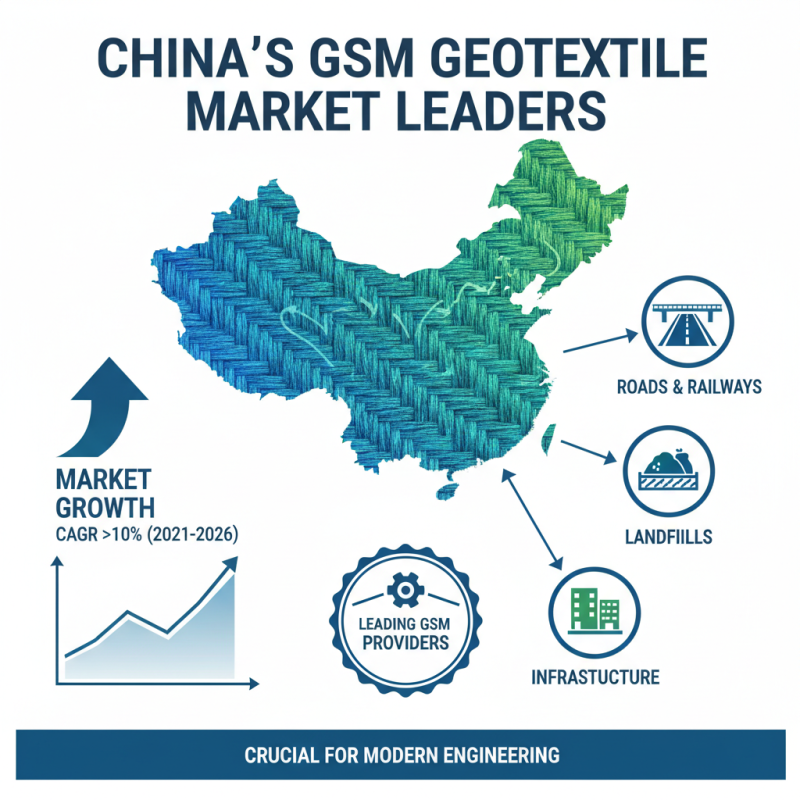
Geotextiles play a crucial role in modern engineering and construction. In China, the demand for GSM (grams per square meter) geotextiles is steadily increasing. Various reports indicate that the market is projected to grow at a compound annual growth rate of over 10% from 2021 to 2026. This growth reflects the expanding infrastructure projects across the country, including roads, railways, and landfills.
China's leading GSM geotextile providers are pivotal in this market. They offer high-quality products tailored to specific project needs. Typically, these solutions are employed for erosion control, reinforcement, and drainage applications. A recent study highlighted that over 60% of construction projects now incorporate geotextiles to enhance longevity and environmentally sustainable practices. However, challenges remain in standardizing quality across the market.
While many companies offer innovative solutions, not all meet the required safety and performance standards. The lack of comprehensive regulations often leads to inconsistencies. As a result, professionals must critically evaluate suppliers based on previous project successes and certifications. Choosing a reliable provider is essential for the success of any project requiring geotextile solutions. The potential benefits can significantly outweigh the risks when selection processes are executed thoughtfully.
Understanding GSM Geotextile: Features and Benefits
GSM geotextiles have become essential in construction and landscaping projects. They provide a range of features that cater to diverse project needs. Geosynthetic materials can improve soil stabilization, drainage, and erosion control. According to a report by MarketsandMarkets, the global geotextiles market is expected to reach $15.5 billion by 2025, indicating robust demand.
The advantages of GSM geotextiles are noteworthy. They are lightweight yet strong, allowing for easy installation. Their permeability promotes effective drainage while preventing soil loss. A study from the International Journal of Civil Engineering highlights that geotextiles can reduce construction costs by nearly 30% when used correctly. Many projects have benefited greatly from these materials, but challenges remain in selecting the right type for various soil conditions.
While the benefits are clear, it’s important to consider the limitations. Not all geotextiles perform equally in every environment. Certain installations may require specialized knowledge for optimal results. Misapplication can lead to project failures or increased costs. Ongoing education and updated guidelines are critical for engineers and contractors to make informed decisions. Balancing the strengths and weaknesses of GSM geotextiles is vital for achieving project success.
China Best Gsm Geotextile Solutions for Your Project Needs?
| Property |
Description |
Benefits |
| Weight (GSM) |
150 GSM |
Lightweight yet durable for ease of handling |
| Material |
Polypropylene |
Resistant to UV and biological degradation |
| Permeability |
High |
Allows for efficient water drainage |
| Tensile Strength |
15 kN/m |
Provides robust support for soil and aggregates |
| Elongation |
20% |
Offers flexibility without tearing |
| Color |
Black |
Aesthetically pleasing in various applications |
| Applications |
Drainage systems, road construction, erosion control |
Versatile usage across multiple sectors |
Applications of GSM Geotextiles in Various Projects
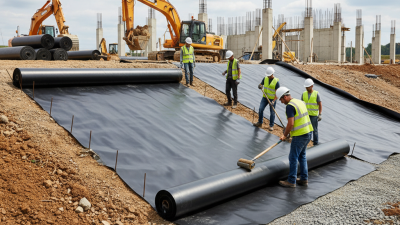
GSM geotextiles are versatile materials used in various construction and environmental projects. These textiles provide essential functions such as soil reinforcement, filtration, and drainage. Their lightweight yet durable nature makes them ideal for road construction and land stabilization. This integration helps enhance the longevity of infrastructures while minimizing ground settlement issues.
In landscaping and agricultural applications, GSM geotextiles play crucial roles. They control erosion and facilitate water retention in soil. This promotes healthy plant growth and improves crop yield. There’s a growing emphasis on incorporating geotextiles into sustainable practices. However, the effectiveness often depends on proper installation techniques. This area could benefit from further research and education.
Geotextiles also find utility in waste management. They serve as liners in landfills, preventing leakage into the soil. There are challenges in gauging their long-term performance and environmental impact. Continuous monitoring is essential to address these concerns. As professionals explore innovative solutions, refining their usage will lead to better outcomes in diverse projects.
Factors to Consider When Choosing GSM Geotextile Solutions
Choosing the right GSM geotextile solutions for your project is crucial. Several factors should influence your decision. Firstly, the material's strength and durability should be evaluated. For instance, high-quality geotextiles can effectively withstand stress during installation and prolonged use. Reports indicate that geotextiles with a GSM (grams per square meter) of 200 or more are often deemed suitable for demanding applications.
Another critical factor is permeability. The ability of geotextiles to allow water to flow through is essential for projects like drainage systems. Permeable geotextiles promote filtration while preventing soil erosion. Research shows that selecting geotextiles with calibrated void sizes can significantly enhance drainage efficiency. This choice could prove beneficial for maintaining project longevity.
Tips: Always conduct a site analysis to match geotextile properties with project requirements. Consulting with professionals can save time and costs. Furthermore, ensure that the certifications and industry standards of the geotextiles align with your project needs to avoid future complications. Be aware that not all materials offer the same performance—this variance can impact your project's success significantly. Investing time in evaluation can lead to better outcomes.
Future Trends in Geotextile Technology in China
The geotextile industry in China is on the brink of significant evolution. Innovations in fabric technology are leading to more durable and sustainable solutions. These new materials enhance soil stability and water management in construction projects. With increasing environmental awareness, there is a shift towards biodegradable options that minimize ecological impact.
One trend is the integration of smart technology into geotextiles. Sensors embedded in geotextiles can monitor conditions like moisture levels and soil pressure. This data helps engineers make informed decisions in real-time. However, this technology is still in its infancy. Challenges include high costs and the need for specialized knowledge to interpret the data.
Furthermore, the demand for quality assurance is growing. Clients seek reliable sources and consistent performance in geotextile materials. Yet, discrepancies in manufacturing standards raise concerns. Some producers may cut corners, leading to inferior products. The industry must address these issues to maintain trust and ensure long-term success. It’s essential to balance innovation with reliability in this dynamic field.