What is Bpm Geomembrane and How is it Used in Modern Applications?
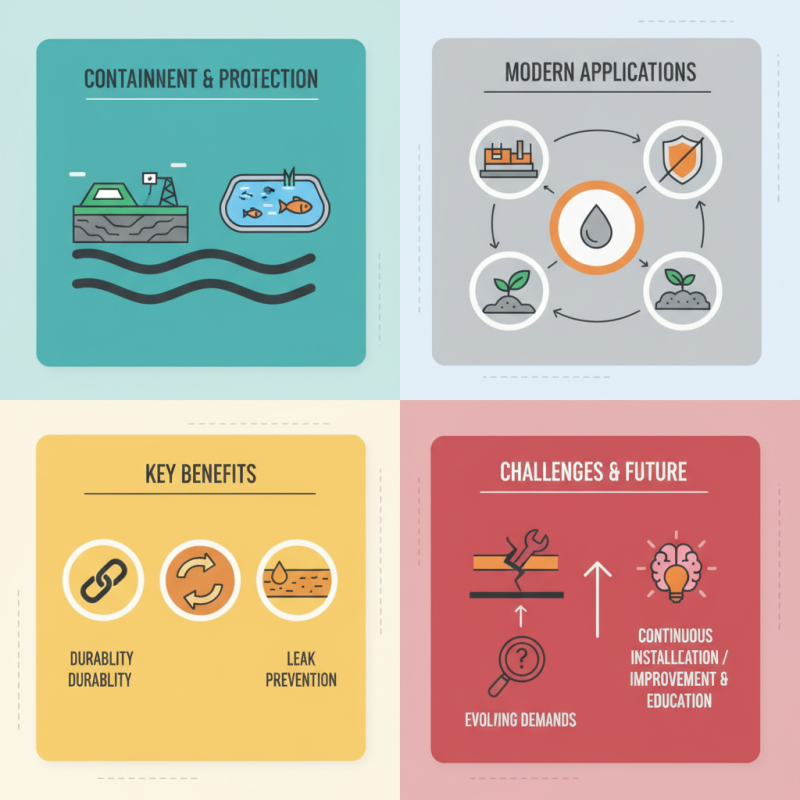
BPM Geomembrane is a versatile material used in various modern applications. It is primarily designed for containment and environmental protection. Made from high-quality polymers, BPM Geomembrane provides barriers for liquids and gasses. This makes it ideal for landfills, aquaculture, and mining.
In construction projects, BPM Geomembrane plays a critical role. It prevents leaks and protects soil from contaminants. Its durability and flexibility contribute to its effectiveness in diverse environments. Yet, even with these advantages, challenges persist. For instance, improper installation can lead to failures. Repairing such issues requires time and resources.
Understanding BPM Geomembrane's benefits and limitations is essential. As industries evolve, so do the demands for innovative solutions. While BPM Geomembrane shows promise, continuous improvement and education are necessary. The journey toward excellence in geomembrane applications is ongoing.
What is Bpm Geomembrane?
BPM geomembrane is a waterproof barrier made from synthetic materials. It is widely used in construction, waste management, and environmental protection. This type of geomembrane is designed to prevent fluid migration. According to recent industry reports, the global geomembrane market was valued at approximately $2.4 billion in 2022. The demand is expected to grow significantly in the coming years due to increased infrastructure development.
One primary application of BPM geomembrane is in landfills. It helps to contain hazardous waste, ensuring that toxins do not seep into the ground. This is crucial for protecting groundwater resources. Another application is in agriculture for irrigation systems. Farmers use geomembranes to create reservoirs, minimizing water loss. However, installation can be challenging. Proper training and methods are essential to avoid costly mistakes.
Despite its benefits, some drawbacks exist. Environmental concerns about the longevity of synthetic materials persist. Geomembrane's effectiveness can diminish over time due to UV exposure and temperature variations. Frequent inspections are necessary to maintain performance. The industry must focus on enhancing durability and sustainability to address these issues. The future of BPM geomembrane relies on balancing innovation with ecological responsibility.
BPM Geomembrane Applications and Usage Statistics
Key Characteristics and Properties of Bpm Geomembrane
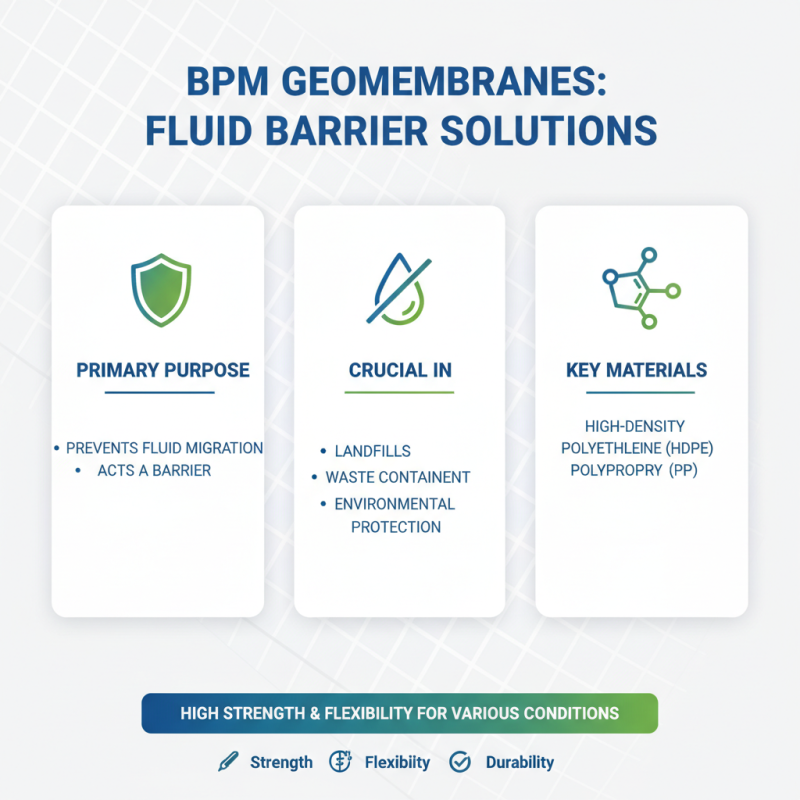
BPM geomembrane is essential in many modern applications. Its primary purpose is to act as a barrier, preventing the migration of fluids. This is especially crucial in landfills and waste containment. The material is often made from high-density polyethylene (HDPE) or polypropylene. These materials provide high strength and flexibility, making them suitable for various environmental conditions.
One key characteristic of BPM geomembrane is its chemical resistance. It can withstand aggressive substances without degrading. This property is vital for projects dealing with hazardous materials. Another important feature is its UV resistance. The geomembrane remains stable under sunlight exposure, allowing for outdoor applications.
However, the installation process can be challenging. It requires careful attention to detail to avoid leaks. Improper installation can lead to substantial environmental issues. Additionally, the long-term durability of geomembranes is worth considering. Over time, wear and tear may compromise their effectiveness. It's crucial to monitor the condition regularly to address any potential problems.
Common Applications of Bpm Geomembrane in Modern Industries
BPM geomembrane is a versatile material used in various industries today. Its primary function is to prevent water and other liquids from permeating or leaking into the environment. One of the most common applications is in landfill liners. These geomembranes create an impermeable barrier to protect soil and groundwater from contaminants. Imagine a massive landfill, layered with this strong material. Without it, harmful substances might seep out and pose serious environmental risks.
Another significant application is in water containment systems. Geomembranes are used in reservoirs, ponds, and canals. They help manage water resources effectively. In mining, they are essential for tailings storage facilities. Here, they prevent toxic leachate from affecting local ecosystems. It’s crucial for companies to reflect on the potential risks associated with improper installation. A small error can lead to severe consequences down the line.
Agricultural practices also use BPM geomembrane. Farmers utilize it for irrigation canals and ponds. This usage ensures that water loss through evaporation or seepage is minimized. However, the longevity and durability of these materials can vary. Regular inspection and maintenance are necessary. The community needs to discuss sustainable practices, especially regarding the disposal of worn-out geomembranes. These discussions are vital for improving environmental outcomes.
Installation Techniques for Bpm Geomembrane
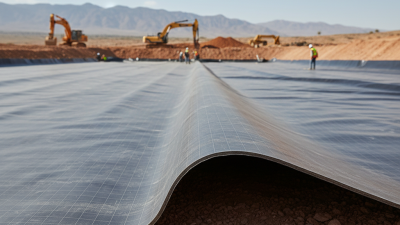
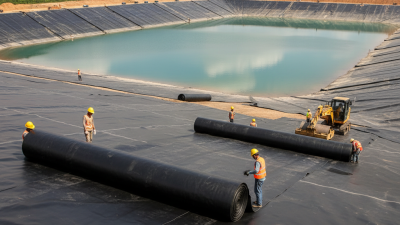
BPM geomembranes are flexible membranes used primarily for containment. Installation techniques are crucial to their effectiveness. Correct installation ensures durability and minimizes leakage. Professionals recommend a smooth, dry surface for best adhesion.
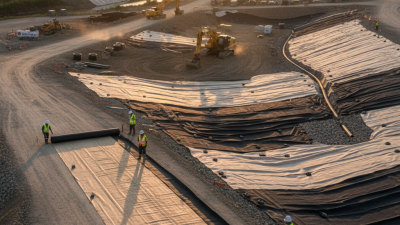
Before installation, prepare the site thoroughly. This includes grading the surface and removing sharp objects. A geotextile fabric can protect the geomembrane from punctures. The fabric acts as a protective layer beneath the geomembrane. Standard practices suggest using a geotextile that meets specific industry standards.
Joining the geomembrane’s seams is critical. Techniques include fusion welding and adhesive bonding. Research indicates that properly welded seams can offer leak rates below 1 x 10^-9 cm/sec. This is essential in landfill and containment applications where leaks can cause environmental issues. It’s important to regularly inspect seams post-installation. Ignoring this can lead to costly repairs later. Regular maintenance and evaluation are recommended to ensure longevity.
What is Bpm Geomembrane and How is it Used in Modern Applications? - Installation Techniques for Bpm Geomembrane
| Application Area |
Common Uses |
Installation Techniques |
| Landfills |
Waste containment and leak prevention |
Seaming, welding, and anchoring techniques |
| Agricultural |
Irrigation and water retention systems |
Excavation, laying, and field joint sealing |
| Mining |
Heap leach pads and tailings storage |
Cutting, handling, and welding seams |
| Water Reservoirs |
Liners for water storage |
Site preparation and secure installation methods |
| Construction |
Barrier systems for groundwater protection |
Installation of geo-composite layers |
Maintenance and Longevity of Bpm Geomembrane in Use
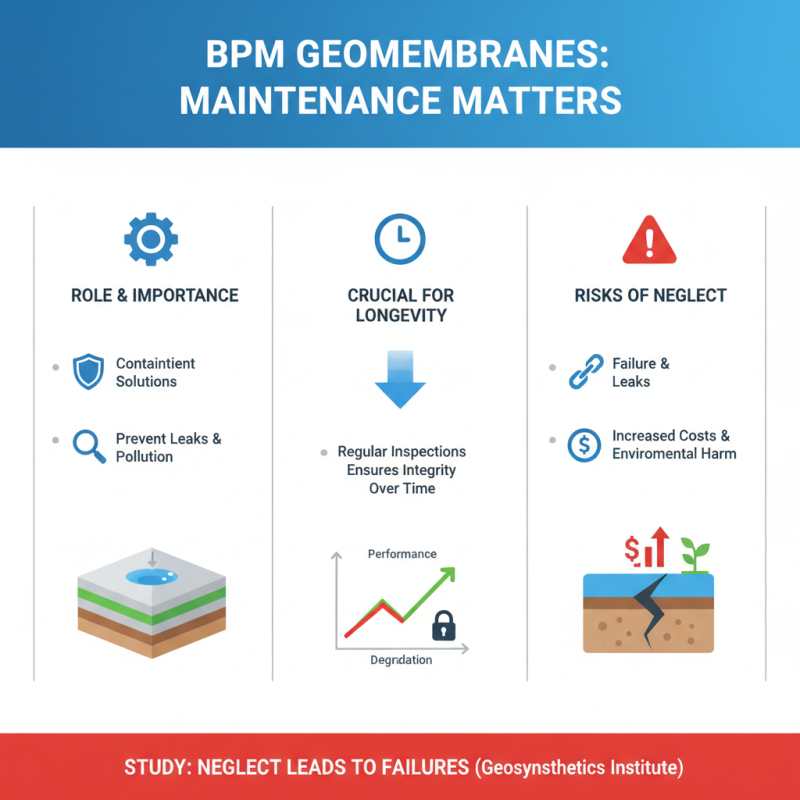
BPM geomembranes play a crucial role in modern applications, especially in containment solutions. Their effectiveness largely depends on proper maintenance. Regular inspections are vital to ensure their integrity over time. A study by the Geosynthetics Institute highlights that neglecting maintenance can lead to failures. In some cases, damaged membranes caused leaks, increasing containment costs significantly.
Longevity is a key consideration. Most BPM geomembranes have a lifespan of 20-30 years with proper care. However, factors like UV exposure and temperature fluctuations can accelerate degradation. Routine assessments and prompt repairs can help extend their life. Reports indicate that the average maintenance cost is about 5-10% of initial installation costs. This emphasizes the importance of ongoing maintenance as a long-term investment.
Daily exposure to environmental conditions means geomembranes are under constant stress. Regular cleaning and surface checks help mitigate potential issues. Small tears, if left unattended, can become larger, compromising the entire system. While BPM geomembranes are designed for durability, proactive maintenance can significantly enhance their performance and lifespan in diverse applications.