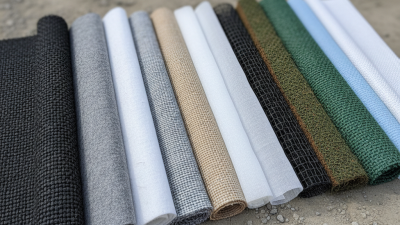
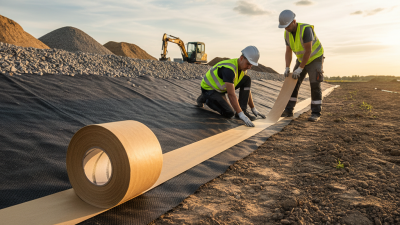
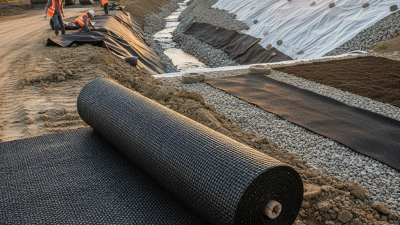
In recent years, the use of Plastic Geonet has gained significant attention in various industries. Experts like Dr. Emily Chen, a leading figure in geosynthetics, emphasize, "Plastic Geonet offers versatile solutions for modern engineering challenges." This innovative material serves a multitude of applications, from drainage systems to erosion control.
Constructed from high-density polyethylene, Plastic Geonet is both durable and lightweight. Its three-dimensional structure promotes effective water flow while providing structural stability. However, the market can be overwhelming with options. Not all plastic geonets deliver the same performance, which can lead to confusion among users.
Understanding the specific benefits and applications of Plastic Geonet is crucial. Many projects fail due to improper material selection. Therefore, being informed about the right type of Plastic Geonet could save time and resources. Exploring the best applications can enhance project outcomes and efficiency significantly. The journey through this material might uncover both innovation and pitfalls that require careful consideration.
Plastic geonets are versatile materials widely used in civil engineering and environmental applications. Their primary role is to provide drainage and support in various systems. They are characterized by their thin, three-dimensional design, which enhances their strength while minimizing material use.
The composition of plastic geonets typically includes high-density polyethylene (HDPE) or polypropylene. These materials offer excellent resistance to chemicals and UV radiation. Their lightweight nature simplifies transportation and installation. However, despite these advantages, they can be susceptible to degradation over time in certain conditions, which raises concerns about their long-term performance.
Applications range from road construction to landfill systems. In landfills, they facilitate leachate drainage and gas venting. However, the effectiveness of plastic geonets can depend on soil characteristics and installation techniques. This warrants careful consideration and planning during use. There’s still room for improvement in their design and application methodologies to enhance durability and efficiency.
| Application | Description | Composition | Benefits |
|---|---|---|---|
| Landfill Covering | Used as a drainage and filtration layer. | Polyethylene or polypropylene. | Prevents leachate migration, reduces gas buildup. |
| Road Reinforcement | Enhances stability in road construction. | High-density polyethylene (HDPE). | Increases load-bearing capacity, extends lifespan. |
| Erosion Control | Used on slopes and riverbanks to prevent erosion. | Geosynthetic composite materials. | Reduces soil erosion, promotes vegetation growth. |
| Drainage Systems | Facilitates proper drainage in construction projects. | Polyethylene (PE) or polypropylene (PP). | Prevents water accumulation, enhances infrastructure durability. |
| Green Roof Systems | Supports vegetation growth in urban areas. | Recycled plastics and polymers. | Improves insulation, reduces heat island effect. |
Plastic geonets have transformed the landscape of civil engineering. These versatile materials provide effective solutions in drainage, stabilization, and reinforcement. Their unique structure allows for efficient water flow, reducing pressure on adjacent soil layers.
In highway construction, plastic geonets help distribute loads more evenly. This minimizes deformation, especially in soft soils. Their application in retaining walls enhances stability and prevents soil erosion. In landfill projects, they improve drainage, facilitating leachate management. Yet, challenges remain in the long-term durability of these materials under varying environmental conditions.
Though widely used, the effectiveness of plastic geonets can sometimes be overstated. Factors like soil type and moisture levels can impact performance. Understanding the interplay between geonets and surrounding materials is crucial. Engineers should carefully assess their use in specific projects. This ensures optimal results and sustainability in civil engineering applications.
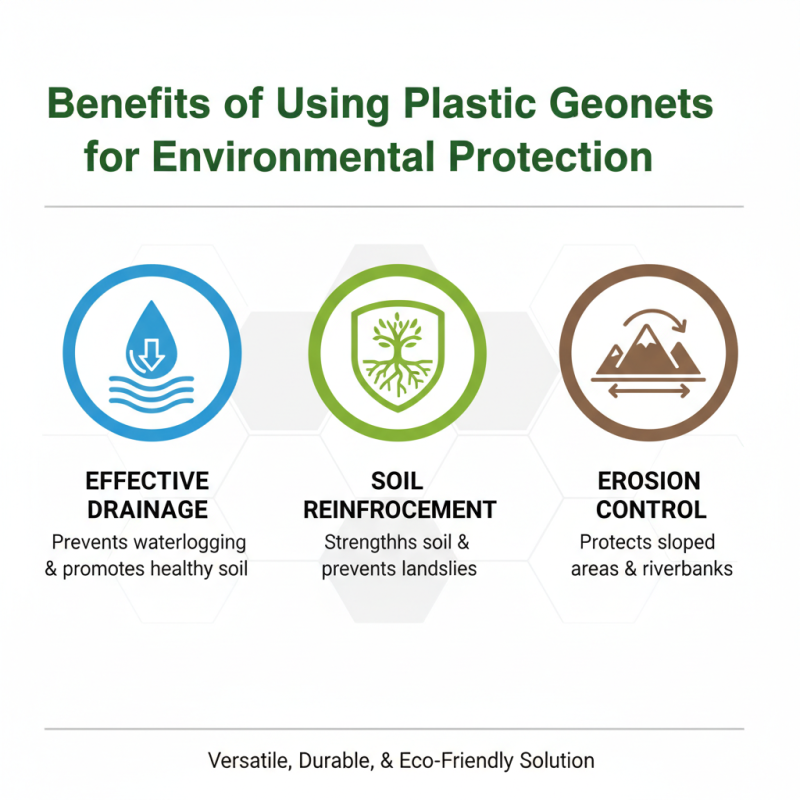
Plastic geonets are gaining popularity for environmental protection. They are versatile materials used in various applications. Their design allows for effective drainage and soil reinforcement, which is vital in areas prone to erosion.
One significant benefit of plastic geonets is their ability to improve water flow. They create a stable interface that allows water to pass through without causing erosion. This protects vegetation and maintains the health of ecosystems. In land reclamation projects, they help in redistributing water, ensuring that plants thrive.
Tips: Consider using geonets in areas with poor drainage. They work best under varying soil conditions. Regular maintenance can prolong their lifespan.
Using plastic geonets is not without challenges. Improper installation can lead to issues. It's essential to ensure they are laid correctly for maximum benefit. Observing their performance over time helps identify necessary adjustments.
When comparing plastic geonets to traditional drainage solutions, several key differences stand out. Plastic geonets are lightweight and easy to install. They often prove to be more durable than older materials. Traditional drainage systems, made from aggregate or clay, can deteriorate over time. This decay may lead to costly repairs and replacements.
Plastic geonets excel in managing water flow in various environments. They allow for efficient drainage while minimizing sediment buildup. This property doesn't always work well with conventional methods, which can clog easily. During heavy rainfall, the gaps in plastic geonets facilitate better water escape. However, proper installation is crucial; a poorly placed geonet can disrupt the entire drainage system.
Another factor to consider is environmental impact. Plastic geonets can reduce the amount of waste generated in construction projects. However, their production does involve plastic, which raises sustainability questions. Balancing efficiency and environmental concerns is essential. Overall, while plastic geonets offer clear advantages, the effectiveness depends on the specific application and local conditions.
The future of plastic geonet technology is evolving rapidly. Innovations are focused on improving material durability and performance. Manufacturers are exploring bio-based plastics as a sustainable alternative. These materials aim to reduce environmental impact. They are lighter and easier to handle, providing value to various industries.
New applications are emerging in areas like erosion control and drainage systems. Enhanced designs increase efficiency and longevity. However, some challenges remain. The recycling process for these geonets is still not fully optimized. Industry stakeholders must collaborate to address this issue. Improved recycling methods could significantly lessen waste.
As research continues, the role of technology in production is also expanding. Automation and advanced manufacturing techniques are making production faster. These advancements can result in lower costs for consumers. Yet, there are concerns about quality control. Maintaining high standards while increasing production is a balancing act. The industry must remain vigilant as it navigates these changes.
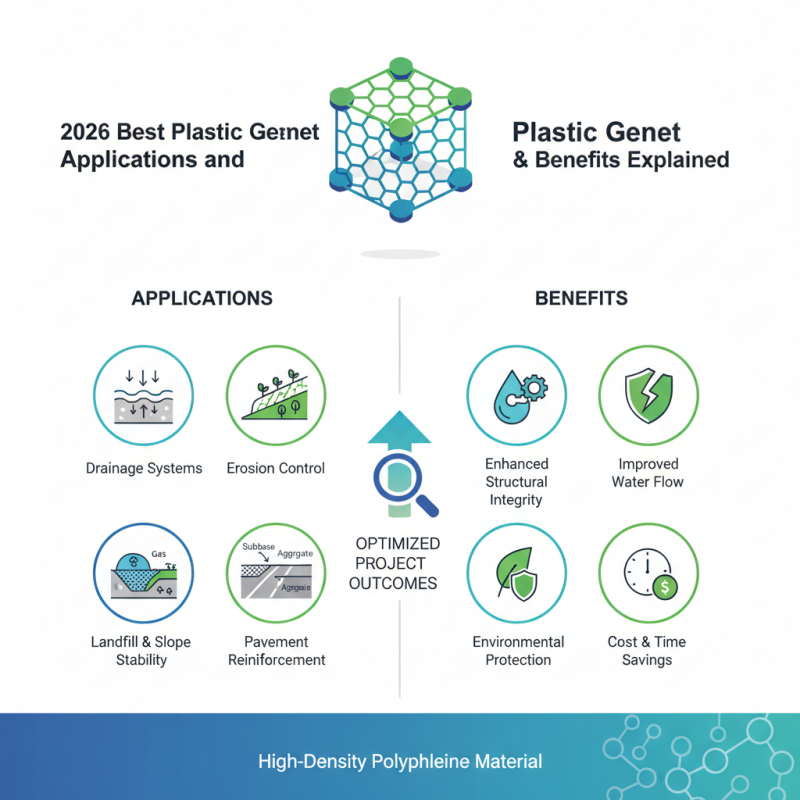
This chart illustrates the key applications and benefits of plastic geonets projected for 2026. As the demand for sustainable and effective engineering solutions grows, plastic geonets are gaining traction in several sectors including construction, agriculture, and environmental management.