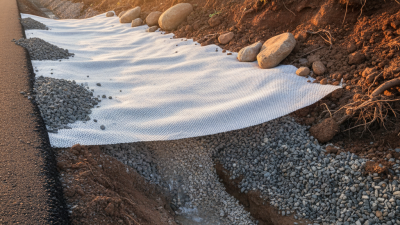
In the realm of construction, the choice of materials significantly impacts the success of a project. One innovative solution is the use of Plastic Geocell. This versatile product enhances soil stabilization and improves load distribution in various applications. With a variety of shapes and sizes, Plastic Geocell systems can adapt to unique site conditions.
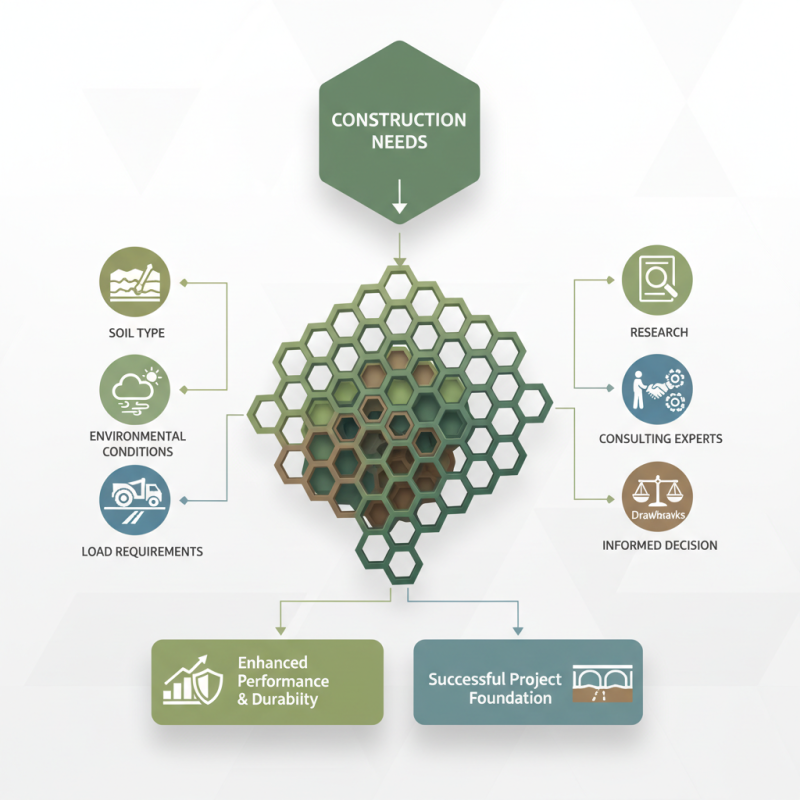
However, not all Plastic Geocell options are created equal. Choosing the right type involves considering factors like soil type, environmental conditions, and load requirements. Many construction projects have faced challenges due to the improper selection of materials. Therefore, investing time in research is essential.
Consulting with experts can provide invaluable insights into the most suitable Plastic Geocell solutions. Their experience can guide you to options that enhance performance and durability. It is crucial to weigh the benefits against potential drawbacks to ensure an informed decision.
Geocells are innovative structures widely used in construction. These three-dimensional grids, usually made of high-density polyethylene, provide soil stabilization and support. Their primary purpose is to improve load distribution and prevent soil erosion. The use of geocells can enhance the durability of roads, retaining walls, and embankments.
Research indicates that using geocells can increase load-bearing capacity by up to 50%. A report from the National Cooperative Highway Research Program (NCHRP) highlights their effectiveness in reducing pavement thickness, leading to cost savings. These cost savings can reach 30% in certain applications. However, while geocells offer numerous benefits, there are challenges. Installation can be complicated and often requires careful planning.
Soil characteristics and local environmental conditions can also impact performance. For instance, in areas with high moisture content, drainage becomes critical. If not addressed, this can lead to premature failure. Overall, while geocells present reliable solutions, each project must be evaluated individually for optimal effectiveness.
| Dimension | Material | Load Capacity (kN/m²) | Applications | Advantages |
|---|---|---|---|---|
| 3D (300mm x 300mm) | HDPE | 75 | Soil stabilization | Durable, lightweight |
| 4D (400mm x 400mm) | PP | 100 | Erosion control | Cost-effective, easy installation |
| 5D (500mm x 500mm) | PVC | 125 | Road base reinforcement | High strength, resistant to chemicals |
| 6D (600mm x 600mm) | Geotextile | 150 | Vegetative soil retention | Supports vegetation growth, eco-friendly |
When considering plastic geocell solutions, understanding their materials and features is key. Geocells are primarily made from High-Density Polyethylene (HDPE) or Polypropylene (PP). These materials provide durability and excellent UV resistance. According to industry studies, HDPE geocells can withstand temperatures ranging from -40°C to 80°C, making them versatile for various climates. Such resilience is particularly beneficial for road construction and erosion control projects.
Different geocell designs cater to specific construction needs. For example, certain types feature perforated walls that allow for improved drainage. Others are designed to enhance stability in soft soils. Research shows that using geocells can reduce soil erosion by up to 70% in vulnerable areas. However, selecting the right type is critical, as not all geocells perform equally under different conditions.
It's important to consider the long-term impact of geocell applications. While they offer significant advantages, improper installation can lead to performance issues. Cases where geocells have failed due to inadequate site preparation emphasize the need for thoughtful implementation. Evaluating your project's specific requirements will lead to a more reliable outcome, ensuring that the chosen geocell system meets its intended purpose effectively.
This chart illustrates the maximum load capacities of different types of plastic geocells, helping you to understand their performance in construction applications.
Plastic geocells have emerged as effective solutions in civil engineering projects. They provide excellent soil stabilization, enhancing the load-bearing capacity of the ground. Construction sites often face challenges with weak soils. Geocells help in distributing loads evenly, preventing excessive settlement. This innovation leads to increased durability and longevity of structures.
Tips for effective use of plastic geocells include ensuring proper installation techniques. Correct anchoring is essential to maximize their effectiveness. Additionally, consider the type of infill material used. Different materials can significantly impact performance. Testing the soil conditions before application can help in making informed choices.
Plastic geocells also reduce erosion on slopes and embankments. They can be used efficiently in road construction, as they protect against shifting and cracking. However, not all projects may benefit from this technology.
It’s important to evaluate the project requirements carefully. Assess the conditions accurately to determine if geocells are the right fit for your needs.
When selecting geocell solutions for construction, several factors require careful consideration.
Material type is crucial.
Polyethylene and polypropylene are common choices due to their durability and resistance to environmental factors.
According to a report from the Geosynthetic Materials Association, the right material can significantly enhance the lifespan of installation.
Another essential factor is cell size and depth.
Smaller cells can provide improved support for light loads, while deeper cells are better suited for heavier applications.
Data from the International Geosynthetics Society shows that projects utilizing properly sized geocells can achieve up to a
30% reduction in material costs.
Installation method also plays a vital role.
Some methods are easier and faster but may compromise structural integrity.
Proper training and equipment can mitigate potential mistakes in the installation process, impacting overall project success.
In many cases, overlooked installation flaws lead to future excavation and repair efforts, undermining initial investment.
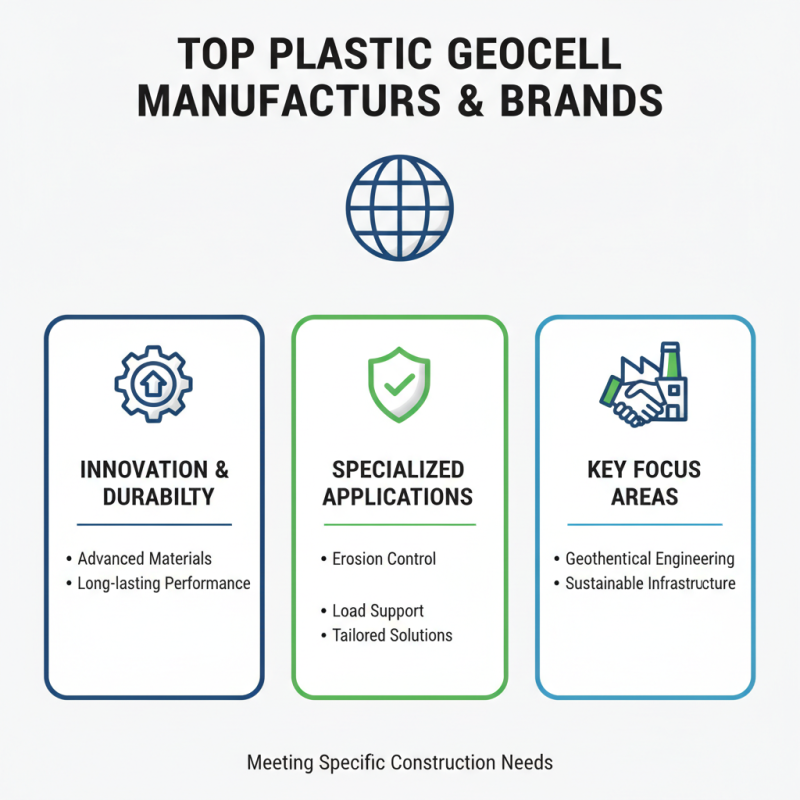
When considering plastic geocells for construction, it's essential to know the top manufacturers and brands in the market. These companies focus on innovation and durability. Many specialize in different applications, from erosion control to load support. This specialization allows them to create products tailored to specific needs in the construction field.
Leading manufacturers often emphasize their commitment to quality. They conduct rigorous testing on their geocells. This ensures they meet industry standards. However, not all products perform equally well in all conditions. It's crucial to evaluate how a geocell will perform in your specific environment. Some users have found that certain materials break down faster under intense UV exposure. Others discovered that non-permeable options caused drainage issues.
Potential buyers should consider cost versus performance. Sometimes, a lower-priced product doesn't offer the same reliability. It's worth investing time in research. Reading customer reviews can provide insights into real-world performance. Building relationships with suppliers can also yield valuable information. Open communication can clarify doubts and highlight potential concerns.