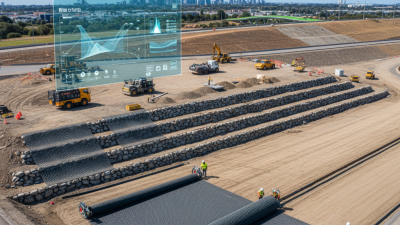
The Best Eva Geomembrane Options for Global Buyers?
In the world of environmental protection and construction, the use of Eva Geomembrane is gaining traction. An expert in the field, Dr. Sandra Lee, emphasizes its benefits by stating, "Eva Geomembrane provides unmatched durability and flexibility in various applications." This material is crucial for projects such as landfill liners, aquaculture, and water containment systems.
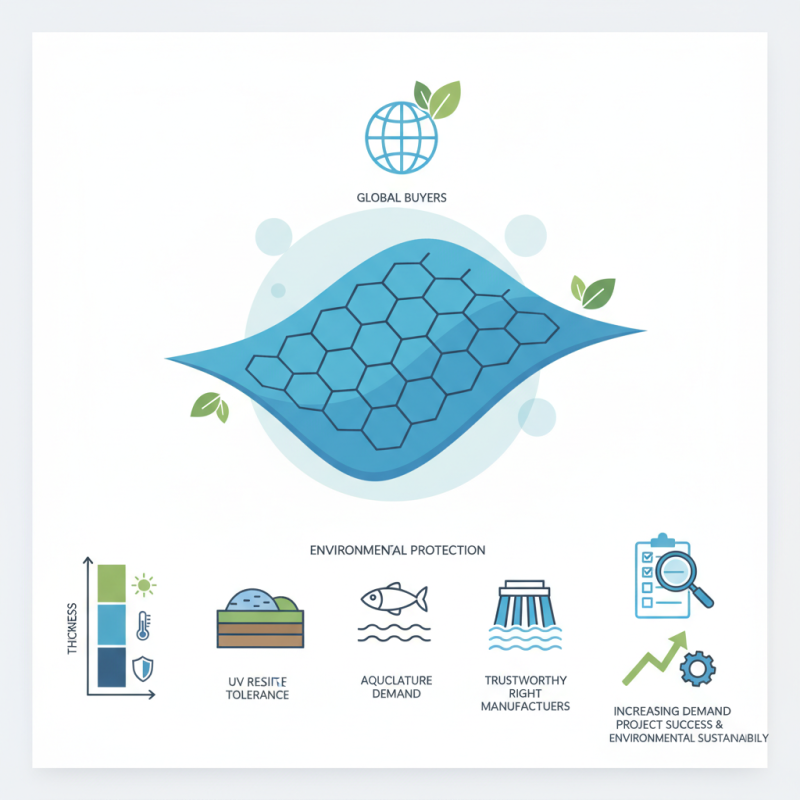
The importance of choosing the right Eva Geomembrane cannot be overstated. Global buyers face challenges in selecting the most effective products. Factors like thickness, UV resistance, and temperature tolerance play a significant role. Additionally, buyers need to consider the specific needs of their applications. Many options exist, but not all of them deliver the desired performance.
As environmental regulations tighten, the demand for reliable materials like Eva Geomembrane increases. However, not every supplier meets high standards. It's essential to identify trustworthy manufacturers. Investing time in research can yield significant benefits. In the evolving landscape of geomembranes, staying informed is key. Making the right choice can impact project success and environmental sustainability.
Understanding Eva Geomembranes: Properties and Benefits
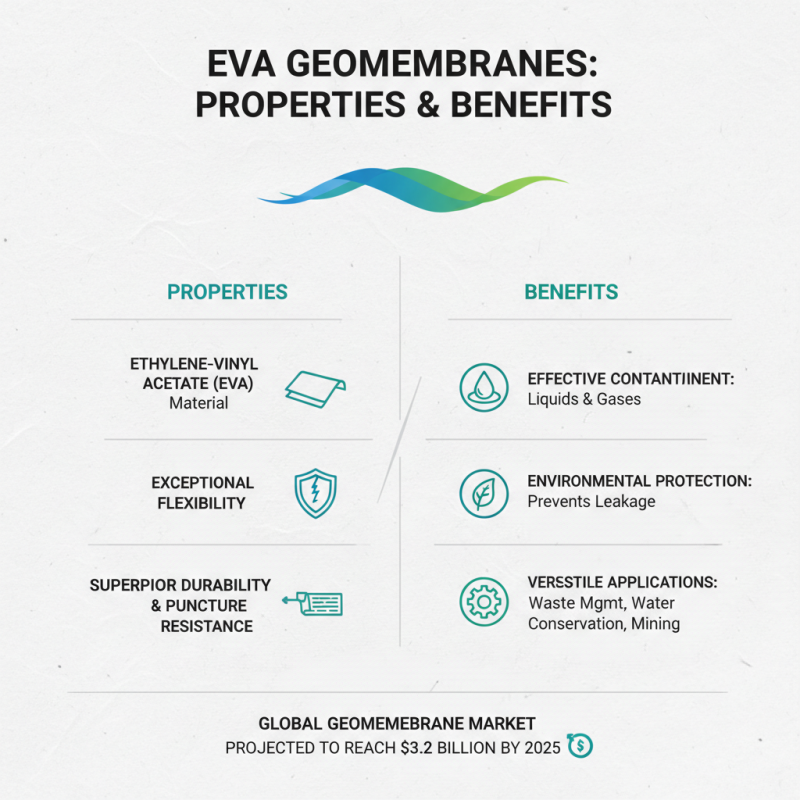
Eva geomembranes have become vital in various industries due to their unique properties and benefits. These membranes are made from ethylene-vinyl acetate, offering exceptional flexibility and durability. In fact, reports indicate that the global geomembrane market is projected to reach $3.2 billion by 2025. This growth reflects the increasing demand for effective containment solutions in sectors like waste management and water conservation.
The properties of EVA geomembranes are notably advantageous. They provide excellent resistance to UV light and temperature fluctuations, making them suitable for both hot and cold climates. Industry studies show that EVA membranes can withstand stresses that conventional materials fail to endure. Additionally, their lightweight nature simplifies transportation and installation, contributing to lower overall project costs. However, while these benefits are substantial, it’s essential to consider potential environmental impacts during manufacturing.
Investing in high-quality EVA geomembranes can lead to significant long-term savings. Yet, the initial cost can be daunting for some buyers. Proper evaluation of sourcing options and installation techniques can mitigate these financial concerns. The more informed decisions buyers make, the better the outcomes for their projects. Nonetheless, there are continuous advancements and innovations expected in this field that may affect the material selections in the future.
Key Applications of Eva Geomembranes in Various Industries
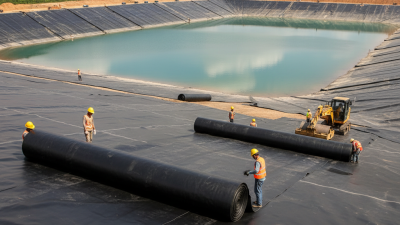
Eva geomembranes are essential in various industries, serving critical functions in containment and protection. In the mining sector, they provide reliable barriers against contaminants, preventing soil and water pollution. Their flexibility and durability make them ideal for storing chemicals. In agriculture, these geomembranes help create controlled environments. They are used in ponds and reservoirs to retain water, vital for crop irrigation.
Additionally, the construction industry utilizes eva geomembranes for waterproofing applications. They are installed in foundations and retaining walls, effectively managing groundwater. In landfills, these membranes keep waste fluids from escaping into the ecosystem. There is a growing trend to integrate them into renewable energy projects, such as solar farms. Their lightweight nature and resilience contribute to efficient energy generation.
Despite their benefits, eva geomembranes can pose challenges. Installation requires skilled labor to ensure proper sealing. Poor installation can lead to leaks, which are costly to fix. Further, sourcing high-quality materials is vital to prevent premature degradation. Understanding these issues is crucial for optimizing their use. The effectiveness of eva geomembranes depends on careful consideration of application methods and environmental factors.
The Best Eva Geomembrane Options for Global Buyers
This chart illustrates the key applications of EVA geomembranes across various industries, highlighting their versatility and importance in environmental protection and construction.
Top Suppliers of Eva Geomembranes for Global Buyers
When selecting Eva geomembranes, global buyers should focus on supplier reliability. A dependable supplier needs a strong track record in the industry. Look for those with extensive experience in producing high-quality geomembranes. Trusted suppliers often engage in continual material testing and improvement processes.
Tips: Always check the supplier's certifications and reviews. Validate their performance history through case studies. Ensure that they provide clear information about the materials used. Transparency is crucial in this decision-making process.
Several suppliers stand out in the global market. They maintain quality by adhering to international standards. It is essential to evaluate their customer support options as well. Timely communication can significantly impact your project timelines.
Tips: Request samples and compare flexibility and durability. Analyze different thicknesses and textures for specific applications. Sometimes the cheapest option may not be the best in the long run. Therefore, ensure you consider both price and quality.
The Best Eva Geomembrane Options for Global Buyers
| Type |
Thickness (mm) |
Color |
Application |
Price (USD/m²) |
| Standard Eva Geomembrane |
1.0 |
Black |
Landfills |
1.50 |
| Reinforced Eva Geomembrane |
2.0 |
Green |
Agricultural |
2.00 |
| High UV Resistance Eva Geomembrane |
1.5 |
White |
Water Reservoirs |
1.75 |
| Smooth Eva Geomembrane |
0.8 |
Blue |
Coating |
1.25 |
| Textured Eva Geomembrane |
1.2 |
Gray |
Slopes |
1.60 |
Factors to Consider When Choosing Eva Geomembranes
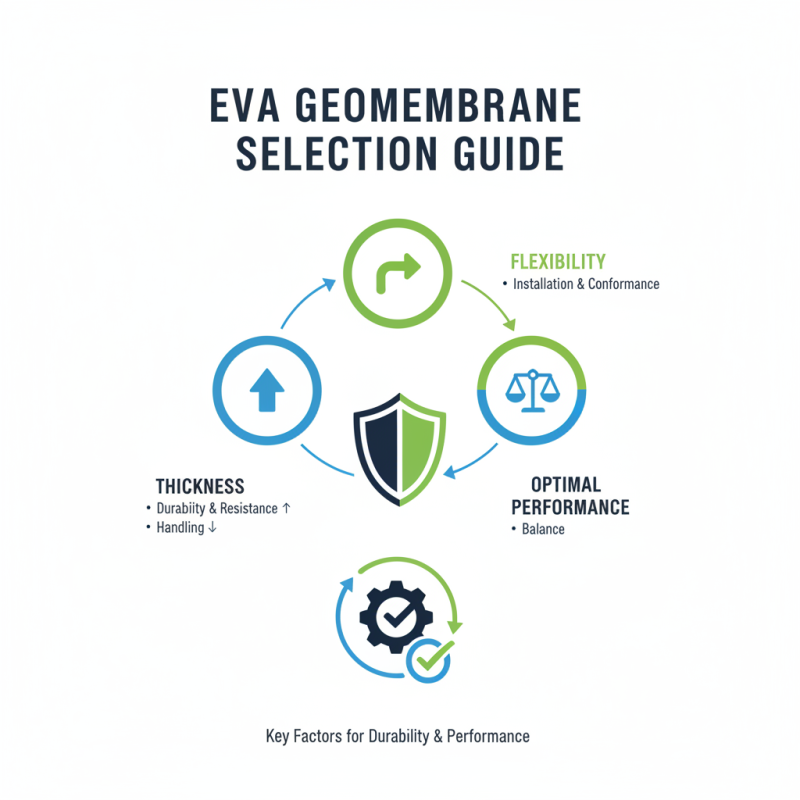
When choosing EVA geomembranes, several key factors come into play. The thickness of the material is crucial. Thicker membranes usually offer better durability and resistance to environmental factors. However, they can be more cumbersome. Balancing thickness with flexibility is essential for optimal performance.
Another important consideration is the chemical resistance of the geomembrane. Depending on the application, different environments may pose chemical threats. Evaluating the specific chemicals the geomembrane will encounter helps in selecting the right option. Not all EVA materials provide the same level of resistance, which means research is vital to avoid future complications.
Temperature tolerance is also a significant aspect. Some projects operate under extreme conditions. If the geomembrane cannot withstand these temperatures, it may fail early. Users often overlook this factor. It's crucial to assess the temperature range of your specific project before making a decision. Remember, a poorly chosen geomembrane can lead to costly repairs down the line.
Comparative Analysis of Eva and Other Geomembranes
When analyzing geomembranes, ethylene-vinyl acetate (EVA) emerges as a popular choice due to its unique properties. EVA geomembranes offer flexibility and chemical resistance. Studies indicate that EVA can perform well in diverse environments, from landfills to aquaculture. According to a report by Global Geosynthetics Market, EVA geomembranes hold a market share of over 30%, largely due to these advantageous qualities.
In comparison, other geomembranes like HDPE and PVC have their own strengths. HDPE is known for its strength and durability, while PVC is often more cost-effective. However, HDPE has a lower resistance to certain chemicals. On the other hand, PVC may not perform as well under extreme temperatures. A detailed market analysis reveals that while HDPE's longevity appeals to many industries, it lacks EVA's elasticity. Thus, the choice of material hinges on specific project needs and conditions, showcasing a clear need for more tailored solutions in geomembrane applications.
Despite the advantages of EVA, challenges exist. Its higher initial cost can deter some buyers. Additionally, its performance can vary based on environmental factors, necessitating rigorous testing. These reflections highlight the ongoing need for more research and development in geomembrane technology to maximize their potential.