2026 Best Drainage Board Options for Effective Water Management?
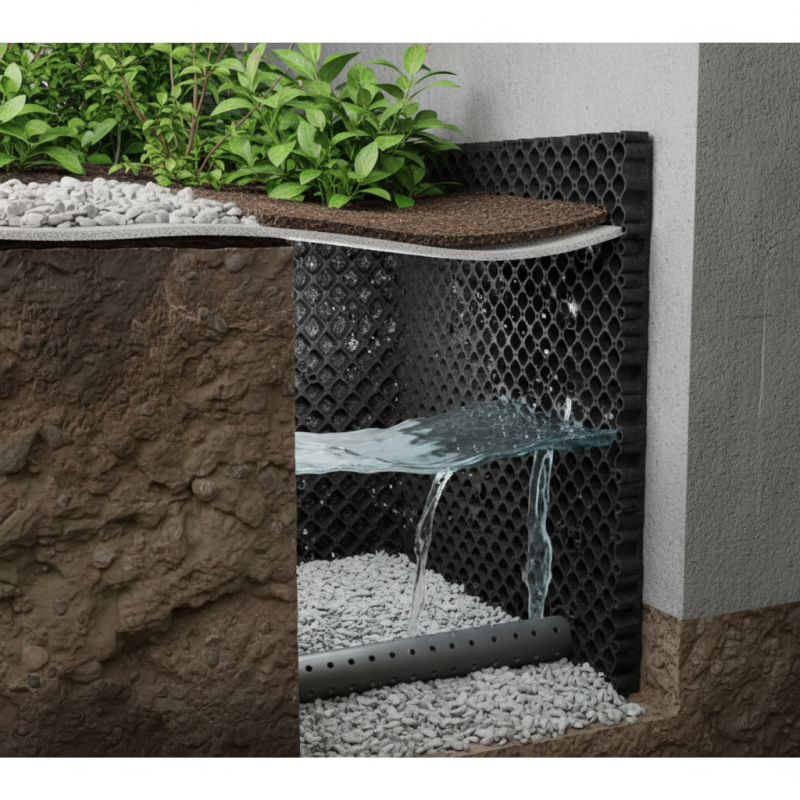
When it comes to effective water management, selecting the right Drainage Board can make a significant difference. These boards help direct excess water away from buildings and landscapes, preventing flooding and erosion. However, not all Drainage Boards are created equal.
Some options may fail to perform as expected under heavy rainfall. Users often overlook important factors when choosing a Drainage Board. This oversight can lead to mounting issues and increased costs for property owners.
What should one consider while selecting a Drainage Board? Material, design, and installation methods play crucial roles in their effectiveness. In the following sections, we’ll explore the best options for 2026, providing insights into what truly works in water management.
Top Features to Consider in Drainage Boards for 2026
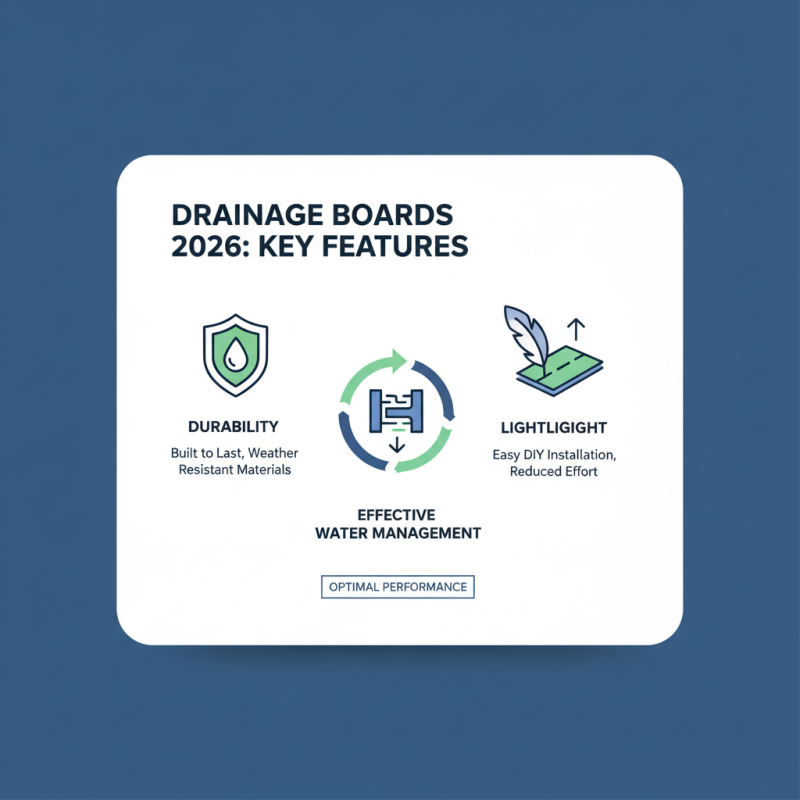
When selecting the best drainage boards for effective water management in 2026, several key features come into play. Durability is crucial. Look for materials that withstand harsh weather. A strong drainage board can last for years. Lightweight options simplify installation, making the process easier for DIY enthusiasts.
Another important aspect is drainage capacity. It ensures that water flows efficiently away from structures. The design of the board should allow for optimal water movement. Some boards include built-in filters. These can help reduce clogs and maintain performance.
**Tip:** Pay attention to permeability. High-permeability boards allow more water to pass through. Lower permeability may lead to water pooling.
Consider ease of maintenance as well. Boards that require less upkeep save time and effort. Some users report difficulties with certain materials. They may chip or degrade faster than expected. Reflect on your local climate. Choose a board that suits specific weather conditions in your area.
Types of Materials Used in Modern Drainage Boards
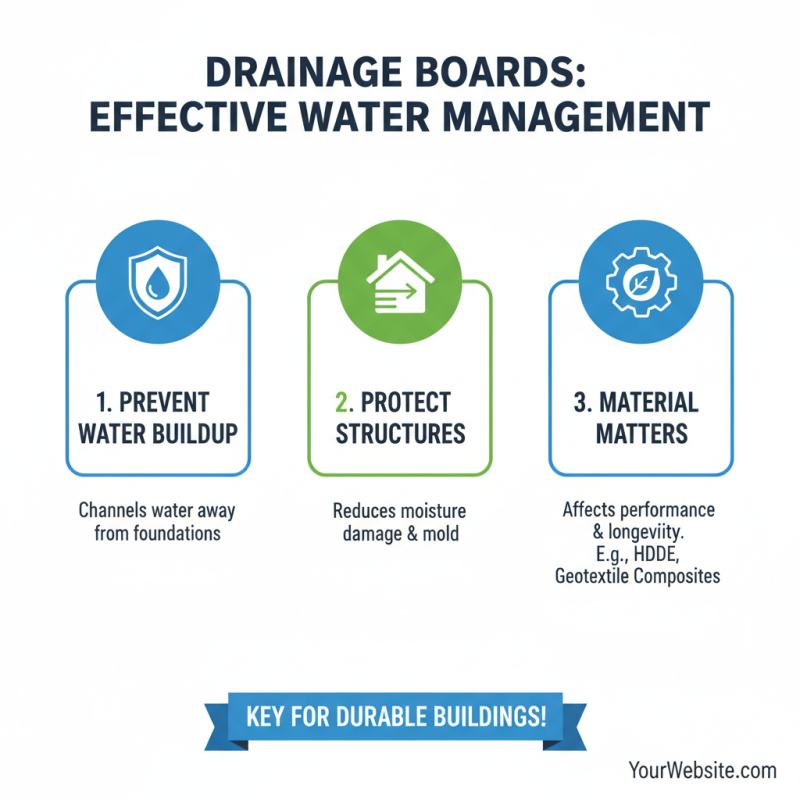
Drainage boards are crucial for effective water management. They prevent the buildup of water and protect structures from moisture damage. The materials used in these boards can significantly affect their performance.
Modern drainage boards often feature plastic, rubber, or geotextile fabrics. Plastic boards are lightweight and durable. They resist corrosion but can warp over time if exposed to extreme temperatures. Rubber options, on the other hand, offer excellent flexibility. However, they may not provide the same level of drainage efficiency as other materials. Geotextiles are becoming popular for their permeability, allowing water to pass through while filtering out soil and debris.
It’s important to acknowledge that not every material suits every environment. Soil type and climate must be considered. A board that works well in a dry area may fail in a wet region. These nuances aren’t always obvious. Sometimes, trial and error are necessary to find the right fit. Balancing cost and effectiveness is a constant challenge.
Effectiveness of Drainage Boards in Different Soil Types
When considering drainage boards, it's essential to evaluate their effectiveness in different soil types. Sandy soil, for example, drains quickly. It allows water to flow freely, making drainage boards less crucial. However, they can still help maintain even moisture levels. Clay soil, on the other hand, retains water. Here, drainage boards play a vital role. They help channel excess moisture away from plant roots, preventing rot.
Tips for clay soil: Examine the drainage patterns in your area. If water pools, it's wise to install drainage boards. Make sure the boards are deep enough to manage heavy rainfall. Regularly inspect them for blockages. In loamy or silty soils, drainage boards can enhance water retention during dry spells. They balance moisture and can support healthy plant growth.
While drainage boards improve water management, they are not a one-size-fits-all solution. Some locations may still experience drainage issues, even with the best boards. It's crucial to assess your specific situation carefully. Observing plant health and soil moisture levels can guide your decision-making. Make adjustments as needed and always seek to learn from your garden's responses.
Comparative Analysis of Leading Drainage Board Brands
When selecting drainage boards, it's vital to compare various brands. Each option presents unique features. According to a recent industry report, efficient drainage systems can reduce water accumulation by up to 70%. This statistic highlights the significance of choosing the right drainage board for optimal performance.
Many brands offer different materials and thicknesses. Some use high-density polyethylene, while others rely on geotextiles. Performance can vary based on soil type, climate, and usage. Research shows that boards with larger drainage cores often provide better flow rates. However, cost-effectiveness should also be a consideration. It’s not uncommon to witness discrepancies in longevity and durability among products.
Tip: Always ask for third-party testing data to evaluate performance.
Consider installation challenges too. Some boards may require more time and expertise to install properly. User feedback indicates that ease of installation can significantly influence overall satisfaction.
Tip: Review customer testimonials to gain insight.
Reflecting on these aspects will guide you toward making an informed choice. Ultimately, balancing performance, cost, and ease of installation is key to effective water management.
Cost-Benefit Assessment of Drainage Board Options for Homeowners
When considering drainage board options, homeowners must grasp the cost-benefit dynamics. Various studies indicate that investing in a quality drainage board can reduce landscape maintenance costs by up to 30% over time. These boards effectively manage excess water, preventing soil erosion and property damage.
However, not all drainage boards offer the same returns. Some cheaper options may lead to greater long-term expenses due to frequent repairs. A report from the American Society of Civil Engineers highlights that improper water management can lead to costly foundation issues, averaging upwards of $10,000 per incident. Thus, initial savings might not justify the risks.
Moreover, many homeowners underestimate installation costs. While some boards appear affordable, additional expenses for labor and materials can quickly arise. A recent study showed that homeowners often spend an average of 20% more than anticipated on installation. This gap suggests the need for reflective budgeting and thorough research to ensure an effective and economical choice.
2026 Best Drainage Board Options for Effective Water Management
| Drainage Board Type |
Material |
Installation Cost ($) |
Lifespan (Years) |
Water Flow Rate (Gallons/Minute) |
Maintenance Frequency (Years) |
| Perforated Drainage Board |
Plastic |
150 |
25 |
20 |
5 |
| Solid Drainage Board |
Composite |
200 |
30 |
25 |
10 |
| Geotextile Drainage Board |
Geopolymer |
180 |
20 |
15 |
7 |
| Modular Drainage Board |
Polypropylene |
220 |
35 |
30 |
12 |