2026 Top Geogrid Gravel Solutions for Global Buyers?
In the evolving construction landscape, the importance of Geogrid Gravel solutions cannot be overstated. Experts like Dr. Michael Johnson, a leading geotechnical engineer, emphasize this, stating, “Geogrid Gravel applications enhance stability and longevity in various projects.” As global buyers seek robust solutions, understanding the latest innovations is crucial.
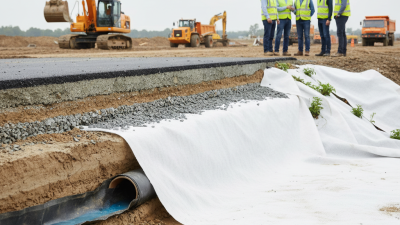
Geogrid Gravel has emerged as a dominant player in the industry. Its unique design offers significant advantages in load distribution and soil reinforcement. For instance, it reduces the risk of erosion and improves drainage, which is essential for sustainable infrastructure. Many engineers have noticed its impact firsthand, yet challenges remain.
Some users still underestimate its potential, leading to suboptimal results. Effective application of Geogrid Gravel requires careful planning and knowledge. Buyers must also be aware of quality variations in the market, which can affect performance. As the demand grows, staying informed about the top solutions will empower decision-making.
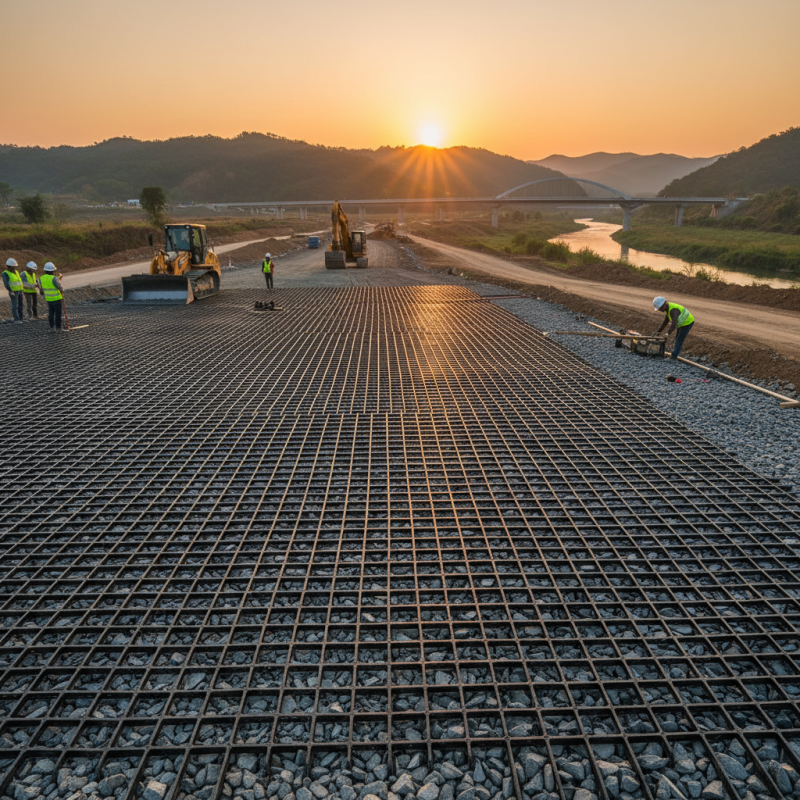
Overview of Geogrid Gravel Solutions for Construction Applications
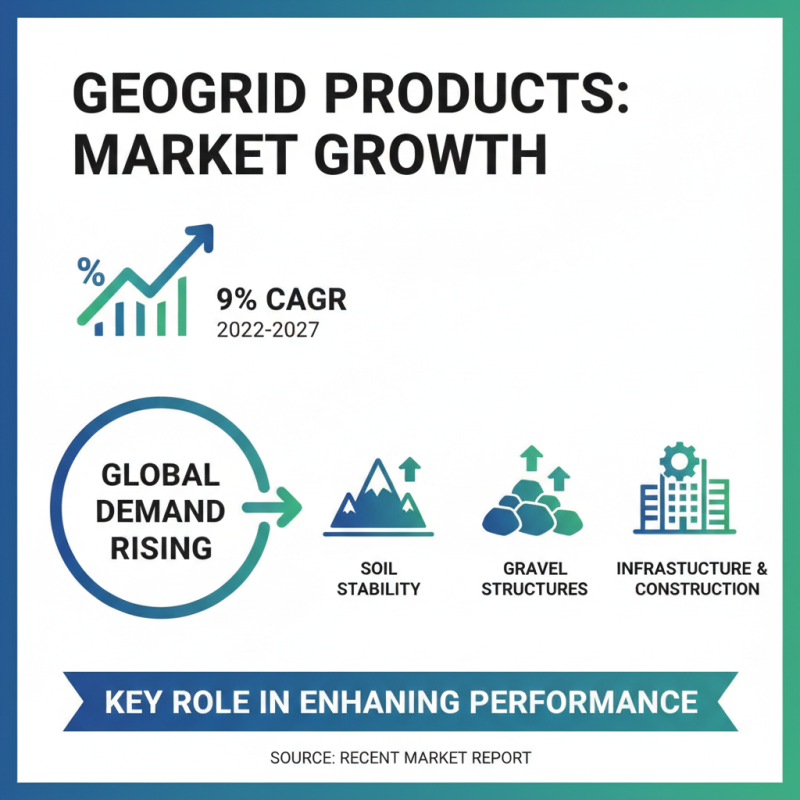
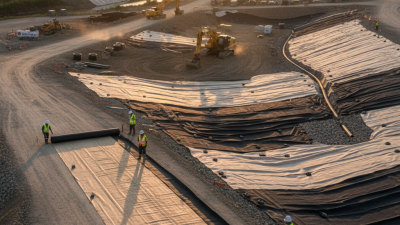
Geogrid gravel solutions play a pivotal role in modern construction applications. Recent industry reports indicate that the demand for these materials is anticipated to grow by over 5% annually until 2026. This growth reflects a rising emphasis on sustainable construction practices and better soil stabilization techniques.
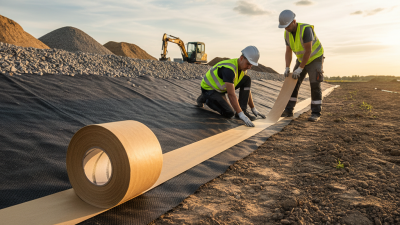
Geogrids are instrumental in improving load distribution in gravel applications. They create a reinforced layer that increases the overall strength of gravel surfaces, making them suitable for roads and foundations. According to the International Geosynthetics Society, projects utilizing geogrids have shown reductions in material thickness by up to 30%. This leads to cost-effective solutions while ensuring durability.
However, challenges persist. Not all geogrid products are created equal. Variations in material quality can result in underperformance. It's crucial for buyers to understand the differences in tensile strength and durability among available options. This knowledge gap can lead to mistakes in application, ultimately impacting project integrity. Identifying the right geogrid solution requires careful consideration and expertise.
Key Characteristics and Benefits of Geogrids in Gravel Reinforcement
Geogrids play a crucial role in gravel reinforcement, enhancing stability and load distribution in various applications. These polymeric grids are engineered to improve the mechanical properties of gravel, leading to significant benefits in construction and civil engineering projects. According to a 2022 report by MarketsandMarkets, the global geogrid market is projected to reach $2 billion by 2026, indicating a growing trust in these materials.
The key characteristics of geogrids include their high tensile strength, flexibility, and the ability to interlock with gravel particles. These traits allow for increased load-bearing capacity and reduced settlement over time. For example, in road construction, using geogrids can lead to a 30% increase in lifespan compared to unreinforced gravel. Furthermore, they help minimize material costs by reducing the thickness of gravel layers needed for support.
However, not all geogrids perform equally in every application. Factors such as soil type, moisture levels, and installation methods can impact performance. A study revealed that improper installation could reduce effectiveness by up to 50%. This highlights the importance of expertise in selecting and using geogrids, ensuring they meet specific project requirements for maximum benefits. The push for sustainable construction methods also drives innovation in this area, making it essential to stay informed about the latest advancements.
Comparative Analysis of Geogrid Materials and Their Performance
Geogrid materials are essential in modern construction and civil engineering. They provide reinforcement and stabilization for various soil types. Different types of geogrids, such as uniaxial, biaxial, and triaxial, offer unique benefits depending on application needs. Uniaxial geogrids excel in directing load distribution, making them ideal for retaining walls and slopes.
A comparative analysis reveals performance differences among geogrid types. Biaxial geogrids, for instance, work well for temporary structures. They help manage lateral load movement. However, they may underperform in heavy-load situations compared to uniaxial options. Triaxial geogrids offer flexibility and enhanced tensile strength. Yet, they can be cost-prohibitive in some scenarios. Buyers must weigh these factors thoughtfully.
Material durability also plays a critical role. Some geogrid variations withstand extreme temperatures, while others might degrade faster. This inconsistency can lead to project inadequacies. Thorough field testing and lab assessments give better insights. Yet, results may not always predict real-world performance definitively. Thus, understanding these nuances is vital for making informed purchasing decisions.
2026 Top Geogrid Gravel Solutions - Comparative Analysis
Future Trends in Geogrid Technology and Its Impact on Gravel Solutions
Geogrid technology is rapidly evolving, particularly in the context of gravel solutions. By 2026, research indicates that the geogrid market will reach a value exceeding $7 billion globally. This significant growth is driven by the increasing demand for durable construction materials. Geogrids help reinforce gravel and soil structures, improving stability and load distribution.
In recent years, advancements in material science have led to the development of advanced polymer geogrids. These materials offer better tensile strength and durability compared to traditional options. The 2022 Global Geogrid Market Report shows that polymer-based geogrids provide a 25% increase in performance under heavy loads. Such improvements are crucial for applications in road construction and earth retention, ensuring long-lasting infrastructure. However, challenges remain in terms of cost and environmental impact of production processes.
Future trends indicate a push towards sustainable and recycled materials for geogrid manufacture. Companies are exploring options to incorporate waste plastics, which could reduce environmental footprints. Yet, industry experts express concerns over the long-term reliability of these materials. Consistent testing and monitoring will be necessary to assess their performance. As the market evolves, staying updated on these trends will be essential for global buyers seeking effective gravel solutions.
2026 Top Geogrid Gravel Solutions for Global Buyers
| Solution Type |
Material Used |
Applications |
Durability (years) |
Cost per Square Meter |
| Biaxial Geogrid |
Polypropylene |
Soil Reinforcement |
10-15 |
$2.50 |
| Uniaxial Geogrid |
Polyester |
Slope Stabilization |
12-20 |
$3.00 |
| Composite Geogrid |
Polyester + Geotextile |
Heavy Load Support |
15-25 |
$4.00 |
| Geocell |
HDPE |
Ground Stabilization |
10-15 |
$1.80 |
| Woven Geogrid |
Polypropylene |
Pavement Reinforcement |
10-15 |
$3.50 |