2026 Best Geotextile Tape Reviews and Buying Guide?
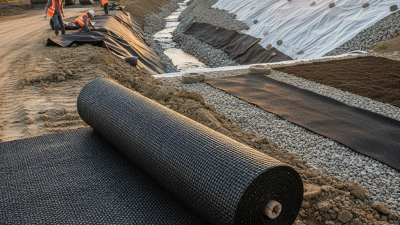
In recent years, the significance of Geotextile Tape in civil engineering has surged. The global market for geotextiles is projected to reach $9 billion by 2026, according to a report by Global Industry Analysts. This growth reflects a growing reliance on innovative materials like Geotextile Tape for infrastructure projects.
Expert Robert J. Hughes, a leading figure in geotechnical engineering, emphasizes, “The proper use of Geotextile Tape can greatly enhance the durability of construction.” These tapes serve diverse functions, from soil stabilization to erosion control. However, selecting the right tape can be challenging due to numerous brands and specifications available.
Despite technological advancements, inconsistencies in tape quality remain a concern. Some products may not meet expected standards. Users often overlook critical features, leading to subpar performance. As the industry evolves, ongoing research and innovation are essential for ensuring reliability and effectiveness in Geotextile Tape applications.
Understanding Geotextile Tapes: What You Need to Know
Geotextile tapes play a crucial role in various construction and landscaping projects. These tapes are designed to help with soil stabilization, erosion control, and drainage solutions. According to industry data, the global geotextiles market is expected to grow significantly, with a projected CAGR of around 10% from 2021 to 2026. This indicates a rising demand for efficient materials in different sectors, including civil engineering and agriculture.
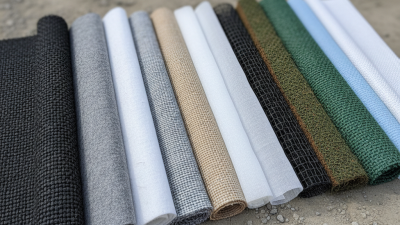
When choosing geotextile tape, consider its material and specifications. Common materials include polyester, polypropylene, and natural fibers. Each type has its own unique properties and applications. For instance, polypropylene tapes are water-resistant, making them suitable for drainage purposes. However, some may not provide adequate UV resistance, which could lead to deterioration over time. Understanding material characteristics can help ensure long-lasting results.
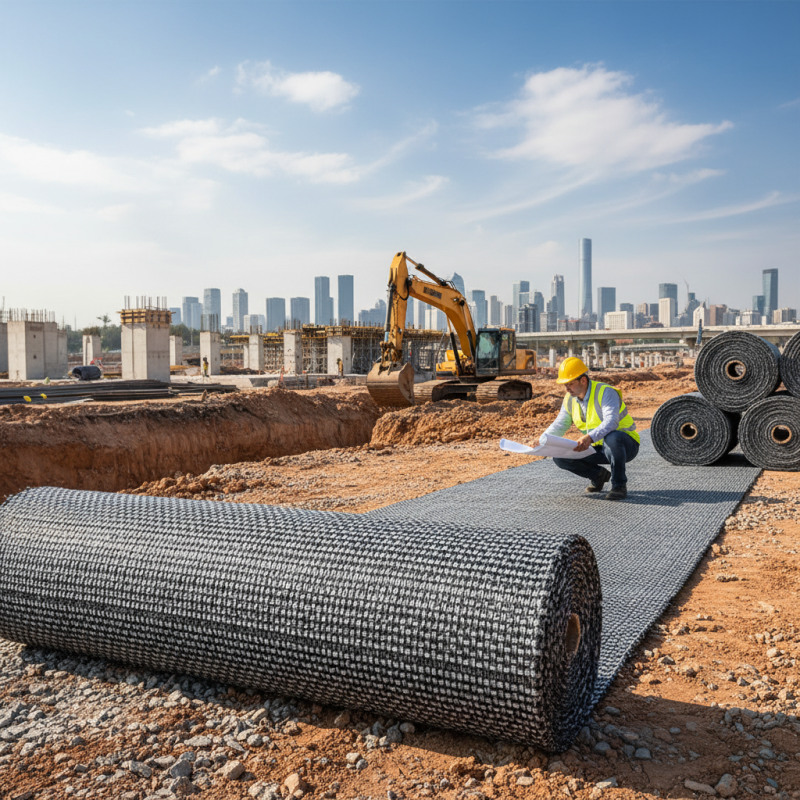
Installing geotextile tape correctly is essential for optimal performance. Improper application can lead to project failures. According to a recent study, nearly 30% of construction projects experience issues due to inadequate installation practices. This highlights the need for proper training and adherence to guidelines. Observing best practices can mitigate future problems, ensuring that the geotextile tape functions as intended while delivering reliable performance.
Types of Geotextile Tapes and Their Uses
Geotextile tapes come in various types, each with unique applications. Woven and non-woven tapes are common choices. Woven tapes are durable and ideal for reinforcing soil and erosion control. They provide strength, but can fray at the edges. Non-woven tapes, on the other hand, excel in drainage applications. They allow water to flow while filtering out sediments. However, they may not offer the same tear resistance as woven options.
Adhesive geotextile tapes serve a different purpose. These tapes bond materials together effectively. They are perfect for temporary repairs or securing geotextiles in place. Yet, their adhesive properties can weaken over time in extreme conditions. Understanding your project’s needs is crucial. Each tape type has its strengths and weaknesses, which can affect performance. Additionally, choosing the right width and thickness is important. A common mistake is assuming all tapes are suitable for all situations.
When selecting geotextile tape, consider the environment. Exposure to UV rays can degrade some tapes faster. Conditions like moisture and temperature also play a role. Testing is advisable. Sometimes, it’s hard to tell which tape will work best until you try it in the field. Remember, each project may require a different tape. Taking time to assess your options can lead to better results.
2026 Best Geotextile Tape Reviews and Buying Guide
| Type of Geotextile Tape |
Material |
Width |
Length |
Use Case |
Customer Rating |
| Woven Geotextile Tape |
Polypropylene |
4 inches |
250 feet |
Drainage, Erosion Control |
4.5/5 |
| Non-Woven Geotextile Tape |
Polyester |
6 inches |
150 feet |
Filtration, Padding |
4.7/5 |
| Geo-Composite Tape |
Composite Materials |
8 inches |
200 feet |
Waste Containment, Environmental Protection |
4.6/5 |
| Biodegradable Geotextile Tape |
Natural Fibers |
5 inches |
100 feet |
Eco-Friendly Construction, Erosion Control |
4.8/5 |
Key Features to Consider When Buying Geotextile Tape
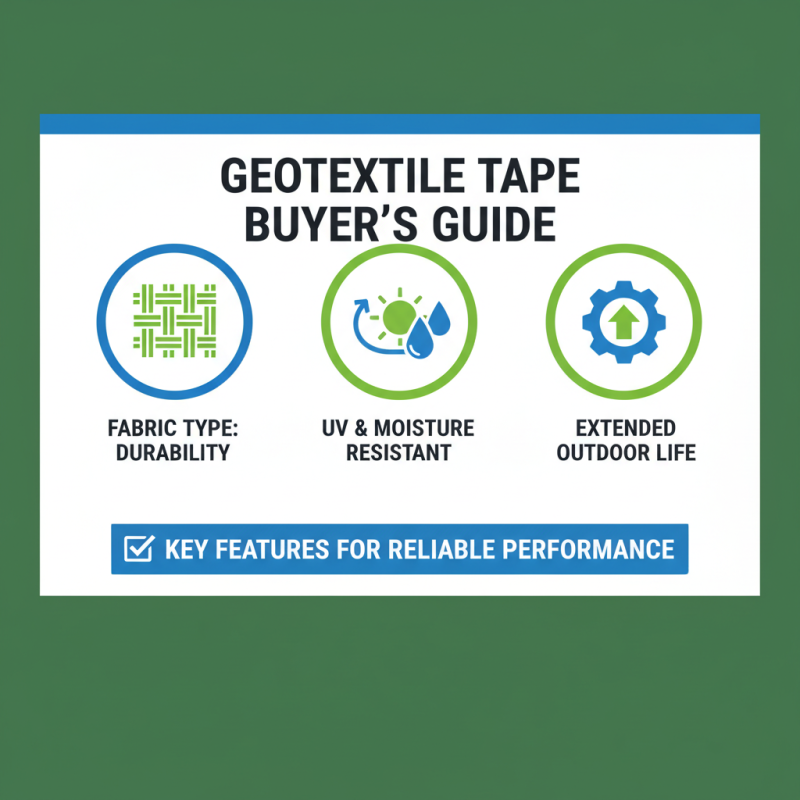
When considering the purchase of geotextile tape, focus on key features that enhance its performance. Fabric type plays a crucial role. Some options offer better durability against environmental factors. Look for tapes that are resistant to UV light and moisture. This resistance means longer-lasting applications, especially in outdoor projects.
Adhesive strength is equally important. A stronger adhesive ensures that the tape adheres well, preventing failures in its application. The thickness of the tape also matters. Thicker tapes often provide better support and protection for the material being secured. However, a thicker tape may be harder to handle, which could lead to mistakes.
Consider the roll size when making a decision. Larger rolls reduce the chances of running out mid-project. However, they can be cumbersome to use. It's a balance of convenience and usability. User reviews can provide insights into real-world applications, but remember they are subjective. Always reflect on your specific needs before making a choice.
Top Brands and Products for 2026: Our Reviews
When it comes to geotextile tapes in 2026, choosing the right product is crucial. Many options are available, and they vary in thickness, adhesive strength, and durability. It’s worth noting that not all products perform equally. Some may peel off easily, while others stand the test of time.
Looking at top brands reveals fascinating insights. Each brand has unique features worth considering. Some tapes excel in wet conditions, while others are better suited for dry environments. Pay attention to reviews that highlight specific uses. The right choice can save you from unexpected problems later.
**Tips:** Always check the material compatibility of the tape with your project. Remember that not every geotextile tape is universal. Testing a small piece can provide clarity. On the other hand, consider the environmental impact of your choice. Some options may be more eco-friendly, and it’s worth the research. Rushing through the selection process might lead to regrets down the road.
2026 Best Geotextile Tape Performance Comparison
This chart represents the performance metrics of various geotextile tapes based on their tensile strength, durability, and water resistance ratings. The data illustrates the comparison of these essential features for helping consumers make informed decisions when purchasing geotextile tapes in 2026.
Tips for Proper Installation and Maintenance of Geotextile Tapes
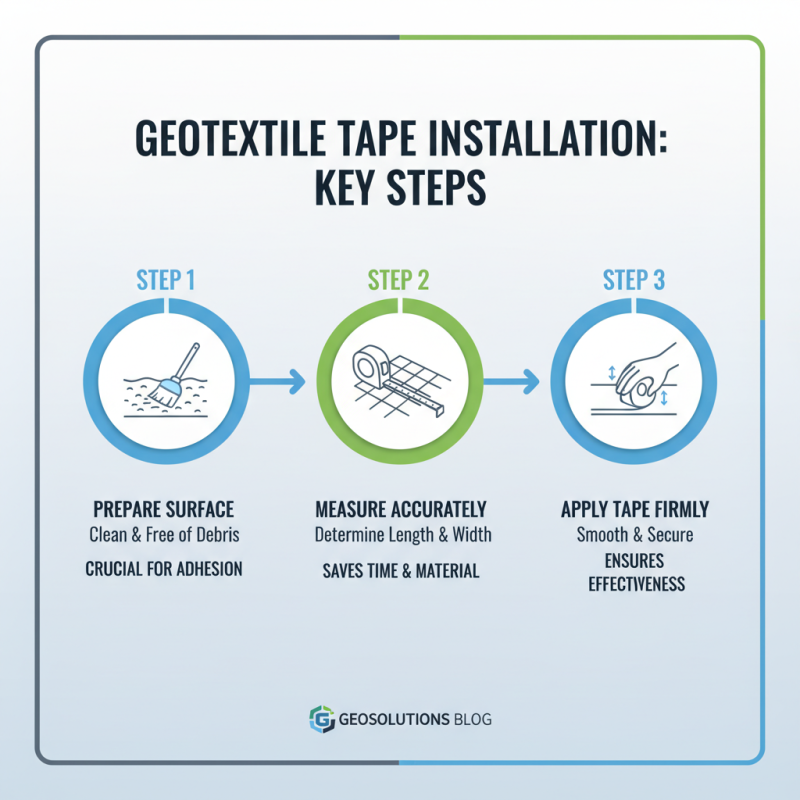
Proper installation of geotextile tapes is crucial for their effectiveness. Begin by preparing the surface where the tape will be applied. Ensure it is clean and free of debris. This step might seem trivial, but dirt can affect adhesion. After cleaning, measure the area accurately. Precision in this step saves time and materials later.
When applying the tape, apply consistent pressure. This ensures a strong bond. Uneven pressure can create gaps. Pay attention to corners and edges. These areas often require extra care. It is common to overlook these spots during installation.
Maintenance is equally important. Regularly check the tape for any signs of wear or damage. Note how it reacts to weather changes. Over time, UV exposure can degrade some materials. If you notice any issues, take action immediately. Small repairs can prevent bigger problems later on. Observations and adjustments are critical to lengthy performance.