2026 Best Bpm Geomembrane Options for Your Project?
BPM geomembranes are essential in various applications, such as landfill liners and water containment systems. These flexible sheets offer superior chemical resistance and durability. According to a recent report by Geosynthetics International, the BPM geomembrane market is expected to grow by over 7% annually through 2026. This projection highlights the increasing demand for reliable containment solutions.
Expert Dr. Sarah Thompson, a leading figure in geomembrane technology, states, "BPM geomembranes provide unmatched protection against leaks and environmental hazards." Her insights underline the importance of selecting the right material for projects. However, not all products are created equal. Inconsistent quality among manufacturers can lead to unforeseen issues.
When planning a project, consider the specific requirements for your geomembrane. Evaluate factors such as UV resistance, thickness, and installation methods. Remember, even the best options can falter without proper installation. Thus, careful planning and expert advice are crucial in ensuring the success of any project involving BPM geomembranes.
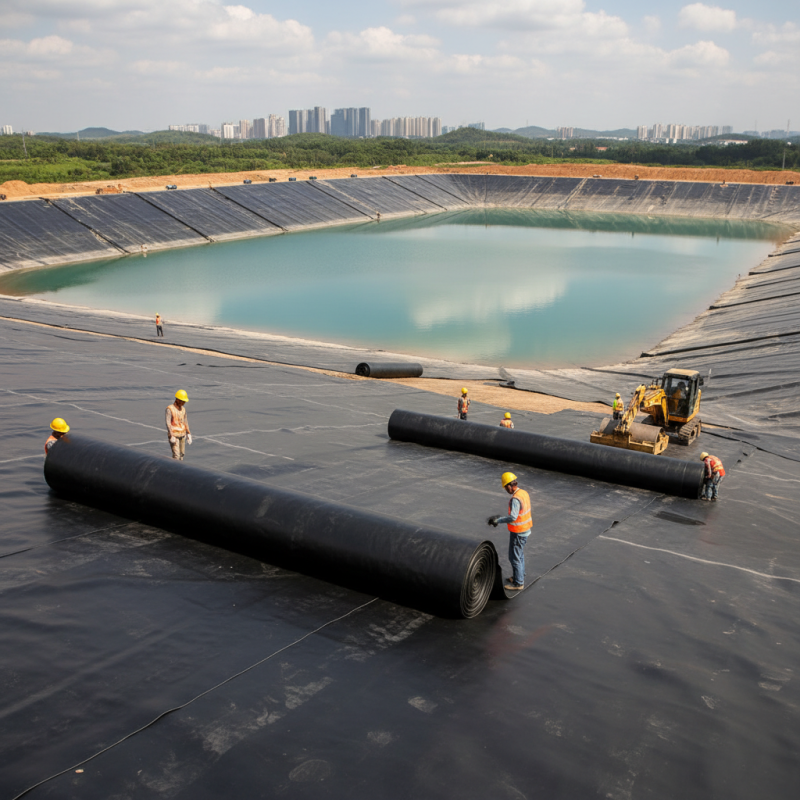
2026 Overview of BPM Geomembranes and Their Applications
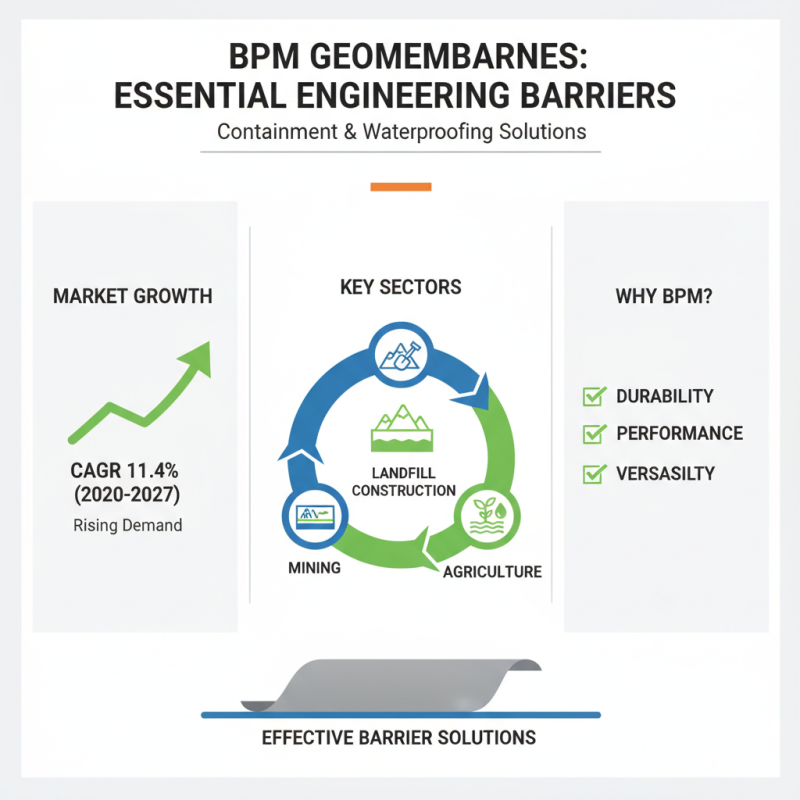
BPM geomembranes have become essential in a variety of engineering projects. They are widely used for containment and waterproofing solutions. According to market research, the global geomembrane market is projected to grow at a CAGR of 11.4% from 2020 to 2027. This increase highlights a rising demand for effective barrier solutions in sectors like landfill construction, mining, and agriculture.
BPM geomembranes offer durability and resistance to environmental stressors. They can withstand harsh chemicals, UV radiation, and temperature variations. Projects using these materials often report reduced leakage and improved site safety. However, not all applications are straightforward. Some users encounter issues like improper installation, leading to potential failures. Case studies show that a lack of adherence to best practices can diminish the longevity of these materials.
The versatility of BPM geomembranes is notable. They are suited for both temporary and permanent applications. Yet, challenges remain in selecting the right type for specific needs. Users should consider factors such as thickness, texture, and function. Data indicates that many projects underperform due to miscalculations in these areas. Ongoing education and research are crucial for maximizing the benefits of these materials.
Key Factors to Consider When Choosing BPM Geomembranes
When selecting BPM geomembranes for your project, consider the material quality. The thickness and durability of the geomembrane can greatly impact its lifespan. Look for options that are resistant to punctures and tears. Test their flexibility, especially in extreme temperatures. Flexibility prevents cracking and prolongs use.
Another factor is UV resistance. Gepmembranes often face intense sunlight exposure. Without adequate protection, they can degrade quickly. Assess the geomembrane's ability to withstand UV rays. It can make a significant difference in long-term performance and maintenance.
Finally, think about installation and maintenance. Some geomembranes are easier to install than others. Complicated installations can increase costs. Maintenance needs vary too. Simplified maintenance routines save time and resources. Reflect on these aspects to ensure you choose the best geomembrane for your needs.
Top Manufacturers of BPM Geomembranes for Your Project
When planning your project, selecting the right BPM geomembrane is crucial. This material is essential for applications such as landfills, ponds, and wastewater treatment. According to recent market reports, the global geomembrane market is projected to exceed $3.5 billion by 2026. It’s evident that many industries are recognizing the benefits of using high-quality geomembranes.
Top manufacturers in the BPM geomembrane sector offer a range of products tailored to various needs. Many focus on sustainability, reflecting the growing demand for eco-friendly solutions. This aligns with recent statistics, which indicate that over 70% of construction projects now incorporate sustainable materials. However, not all options deliver consistent quality, which can lead to project delays and increased costs.
Another crucial factor is the availability of custom solutions. Some manufacturers provide tailored geomembranes based on project-specific requirements. This flexibility can significantly enhance project efficiency. However, it’s essential to assess the reliability and performance of proposed materials. Reports show that nearly 20% of projects face complications due to subpar geomembranes. Ultimately, selecting a trusted supplier who offers both quality and customization can make a substantial difference in project outcomes.
2026 Best Bpm Geomembrane Options for Your Project
| Material Type |
Thickness (mm) |
Color |
UV Resistance |
Standard Compliance |
Common Applications |
| HDPE |
1.5 |
Black |
Excellent |
ASTM D HDPE |
Landfill Liners |
| LDPE |
1.0 |
Green |
Good |
ASTM D 7627 |
Pond Liners |
| PP |
1.2 |
Gray |
Moderate |
ISO 9001 |
Aquaculture |
| PVC |
1.0 |
Blue |
Fair |
ASTM D 1745 |
Water Reservoirs |
| EPDM |
1.5 |
Black |
Excellent |
ASTM D 4694 |
Roofing |
Comparative Analysis of Different BPM Geomembrane Types
When selecting BPM geomembranes for your project, it’s essential to consider the various types available. Each type has unique features that influence performance and reliability. For example, HDPE geomembranes offer superior puncture resistance. They are widely used in landfills and mining applications. However, their rigidity can pose installation challenges in uneven terrain.
Another option is LLDPE, which provides flexibility and ease of installation. Its stretchability makes it suitable for projects where adaptability is key. Some may find it less durable compared to HDPE in harsh conditions. It is crucial to evaluate the environmental factors that the geomembrane will face. Temperature fluctuations and chemical exposure play a significant role in deciding the best type.
Lastly, there’s PVC geomembrane, which is known for its weldability and versatility. This type can be an excellent choice for water containment projects. Yet, it might not perform as well against certain chemicals. Contractors should closely assess project requirements and conditions. Reflecting on these differences can lead to a more informed decision.
Comparative Analysis of Different BPM Geomembrane Types
Future Trends in BPM Geomembrane Materials and Technologies
As the construction industry evolves, BPM geomembranes are continuously improving. Recent studies indicate that
sustainable materials will dominate by 2026. Research suggests that bio-based geomembranes could reduce environmental impact.
These alternative materials offer a promising range, but their long-term durability remains a question.
Technological advancements are also set to reshape the market. Enhanced manufacturing techniques have led to lighter and more flexible geomembranes.
This could increase ease of installation. However, questions arise concerning their strength and resistance to harsh conditions.
The industry must balance innovation with reliability.
Furthermore, the increasing focus on recycling is notable. Reports indicate that a significant portion of geomembranes could be made from recycled materials by 2026.
This shift may address waste concerns. Still, the performance of recycled options needs thorough evaluation to ensure they meet project demands.