Transforming Land Management: The Innovative Role of Plastic Geocells in Environmental Solutions
In recent years, the land management sector has witnessed a transformative shift towards
innovative environmental solutions,
with Plastic Geocell
emerging as a leading technology. According to a report by Research and Markets, the global
geocells market is expected to reach USD 1.68 billion
by 2026, driven by the increasing demand for effective soil erosion control and sustainable
infrastructure development.
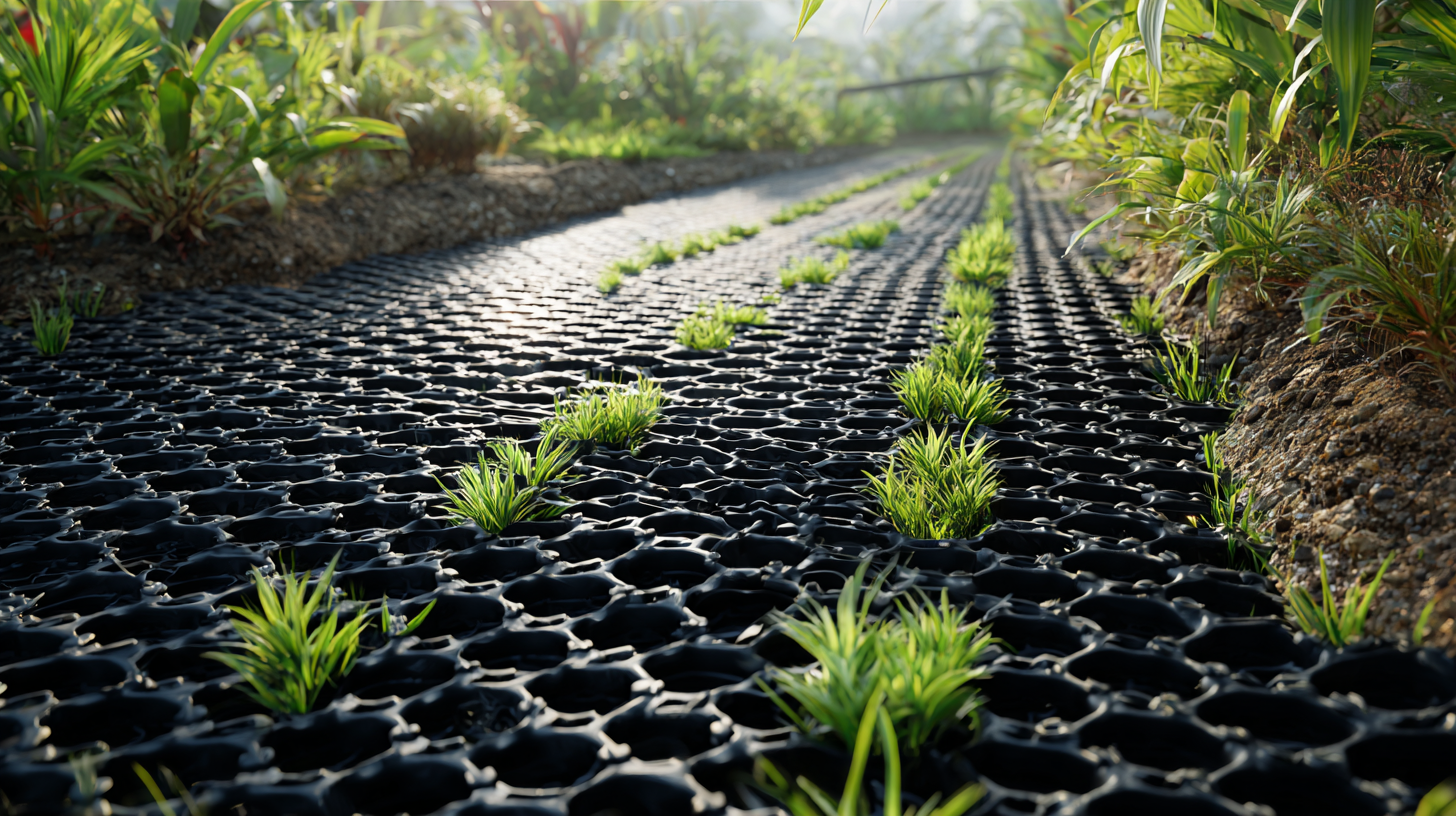 Plastic Geocells not only enhance soil stability and reduce erosion but also facilitate
efficient water drainage, making them a crucial component in various applications such as
road construction, flood management, and landscape design. With a growing emphasis on
sustainable practices, the incorporation of Plastic Geocell technology represents a significant
advancement in land management, offering both environmental and economic benefits. As industries
increasingly recognize the potential of these geosynthetic solutions, the role of
Plastic Geocell technology will become even more
pivotal in shaping resilient landscapes and mitigating environmental challenges.
Plastic Geocells not only enhance soil stability and reduce erosion but also facilitate
efficient water drainage, making them a crucial component in various applications such as
road construction, flood management, and landscape design. With a growing emphasis on
sustainable practices, the incorporation of Plastic Geocell technology represents a significant
advancement in land management, offering both environmental and economic benefits. As industries
increasingly recognize the potential of these geosynthetic solutions, the role of
Plastic Geocell technology will become even more
pivotal in shaping resilient landscapes and mitigating environmental challenges.
Innovative Applications of Plastic Geocells in Modern Land Management
Plastic geocells have emerged as a game-changing solution in the realm of modern land management. These cellular structures, constructed from high-density polyethylene (HDPE), provide enhanced soil stabilization and erosion control, addressing critical issues in various environments. According to a report by Research and Markets, the global geocells market is expected to grow at a CAGR of 10.4% from 2021 to 2026, driven by an increasing need for sustainable land development practices. The lightweight and flexible nature of plastic geocells allows for easy installation and adaptability across diverse terrains, making them ideal for applications ranging from road construction to green roofs.
Moreover, plastic geocells contribute significantly to water management by promoting effective drainage and minimizing surface runoff. A study published in the Journal of Environmental Management indicates that using geocells can reduce soil erosion rates by up to 50% in vulnerable areas. This innovative approach not only protects natural resources but also enhances soil productivity—an essential factor in addressing food security issues. As land management practices continue to evolve, the integration of plastic geocells showcases a forward-thinking solution that aligns with both environmental preservation and efficient resource use.
Enhancing Soil Stability and Erosion Control with Geocells
The innovative application of plastic geocells has emerged as a pivotal solution in enhancing soil stability and controlling erosion, particularly in environmentally sensitive areas. By creating a three-dimensional cellular structure, geocells significantly reinforce the soil, providing a robust framework that prevents erosion caused by water runoff and wind. This technology promotes efficient water management by allowing moisture retention in the soil, leading to improved vegetation growth and reducing the need for excessive irrigation.
As the demand for sustainable land management practices increases, the geocell market is witnessing substantial growth. The projected increase from $344.8 million in 2024 to $364.1 million by 2032 underscores the potential of geocells in various applications, including landscaping, road construction, and environmental preservation. These advancements are further supported by the rising awareness of environmental issues, driving the incorporation of eco-friendly materials and technologies. In this context, geocells not only contribute to erosion control but also play a significant role in minimizing the environmental impact of land development activities.
The Role of Geocells in Sustainable Infrastructure Development
Geocells have emerged as a pivotal element in the development of sustainable infrastructure, greatly enhancing land management practices. These honeycomb-like structures are made from durable plastic materials that can be deployed in a variety of construction and environmental applications. By confining soil and other materials within their cells, geocells help to stabilize landscapes, reduce erosion, and improve load-bearing capacity, making them an ideal solution for roads, retaining walls, and other infrastructural projects.
**Tips for Using Geocells Effectively:**
1. **Select the Right Material**: When choosing geocells, ensure that you select high-quality, UV-resistant plastic suited for your specific environmental conditions. This will enhance durability and effectiveness over time.
2. **Proper Installation**: For optimal results, follow the manufacturer’s guidelines for installation. Ensure that the geocells are adequately filled with appropriate materials, such as gravel or soil, to achieve maximum stability.
3. **Regular Maintenance**: Periodic inspection of geocell structures is crucial. Look for signs of erosion or displacement and address these issues promptly to maintain the integrity of the infrastructure.
Incorporating geocells into land management strategies not only bolsters the sustainability of infrastructure but also supports the environment by preventing soil degradation and promoting vegetation growth. As urbanization continues to rise, leveraging innovative materials like geocells will be essential for creating resilient and sustainable communities.
Environmental Benefits of Utilizing Plastic Geocells in Projects
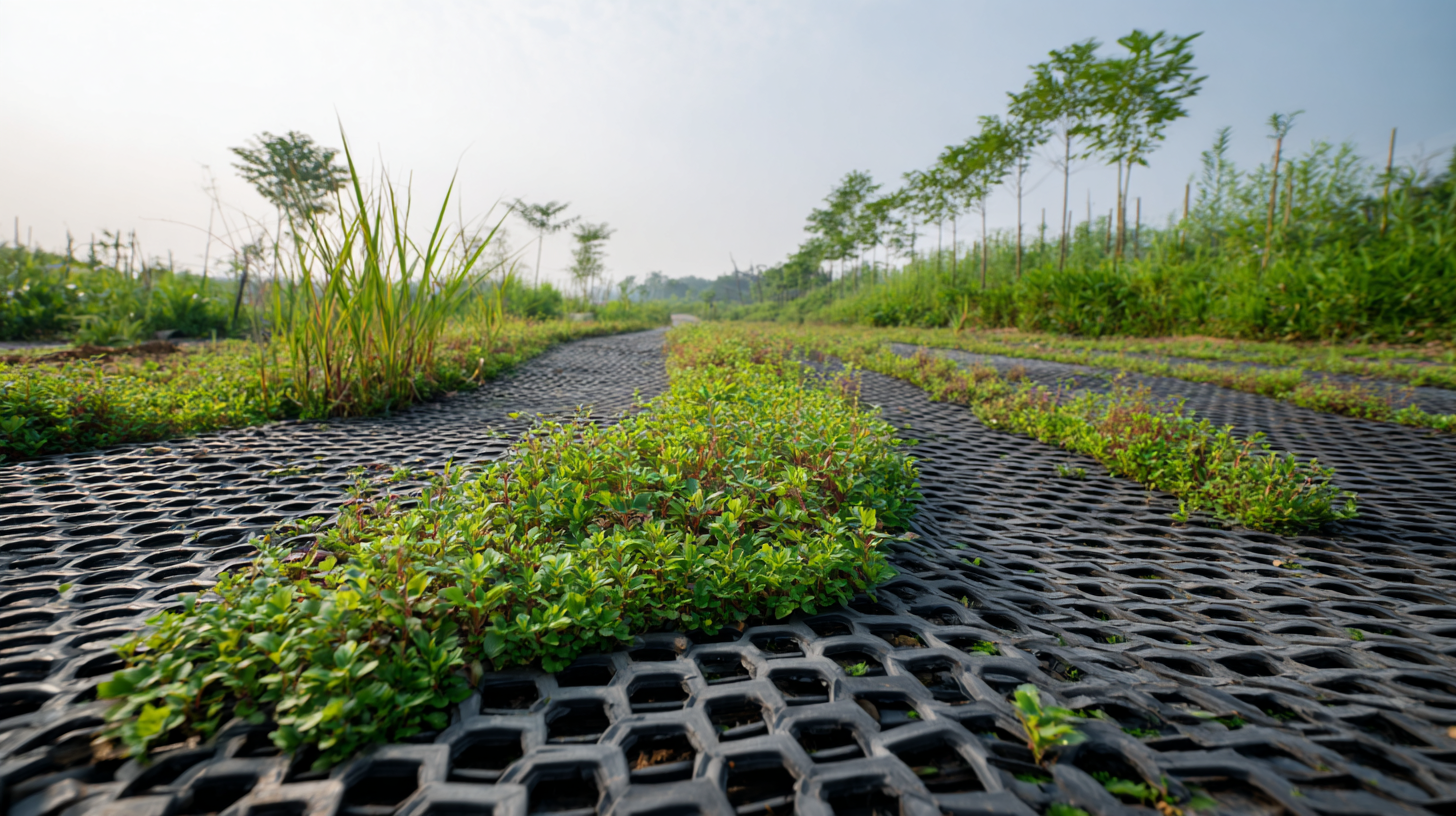
Plastic geocells are revolutionizing land management by providing an innovative solution to various environmental challenges. These cellular structures, made from high-density polyethylene or similar materials, hold the potential to enhance soil stability, reduce erosion, and improve water drainage in a range of projects. The use of plastic geocells mitigates the environmental impact of construction by enabling effective vegetation growth and allowing surfaces to retain water, thus promoting a sustainable ecosystem.
**Tips:** When considering the implementation of plastic geocells, assess the specific conditions of your project site. Look for geocell systems that are compatible with native soils to enhance vegetation growth. Additionally, evaluate the design of the geocells to ensure they meet the intended structural and drainage requirements, maximizing their environmental benefits.
Furthermore, the application of plastic geocells is not limited to large-scale industrial projects; they can also be effectively used in small community landscapes and green roofs. Their lightweight nature and ease of installation allow for versatile usage. By integrating these geocells into your projects, you can not only promote environmental sustainability but also contribute positively to local biodiversity, making a lasting impact on the community.
**Tips:** For community projects, engage local stakeholders in the design process to enhance support and ensure the geocells address specific local needs. Consider piloting a project to demonstrate the effectiveness of geocells, encouraging broader adoption of sustainable practices.
Case Studies: Successful Implementation of Geocells in Various Environments
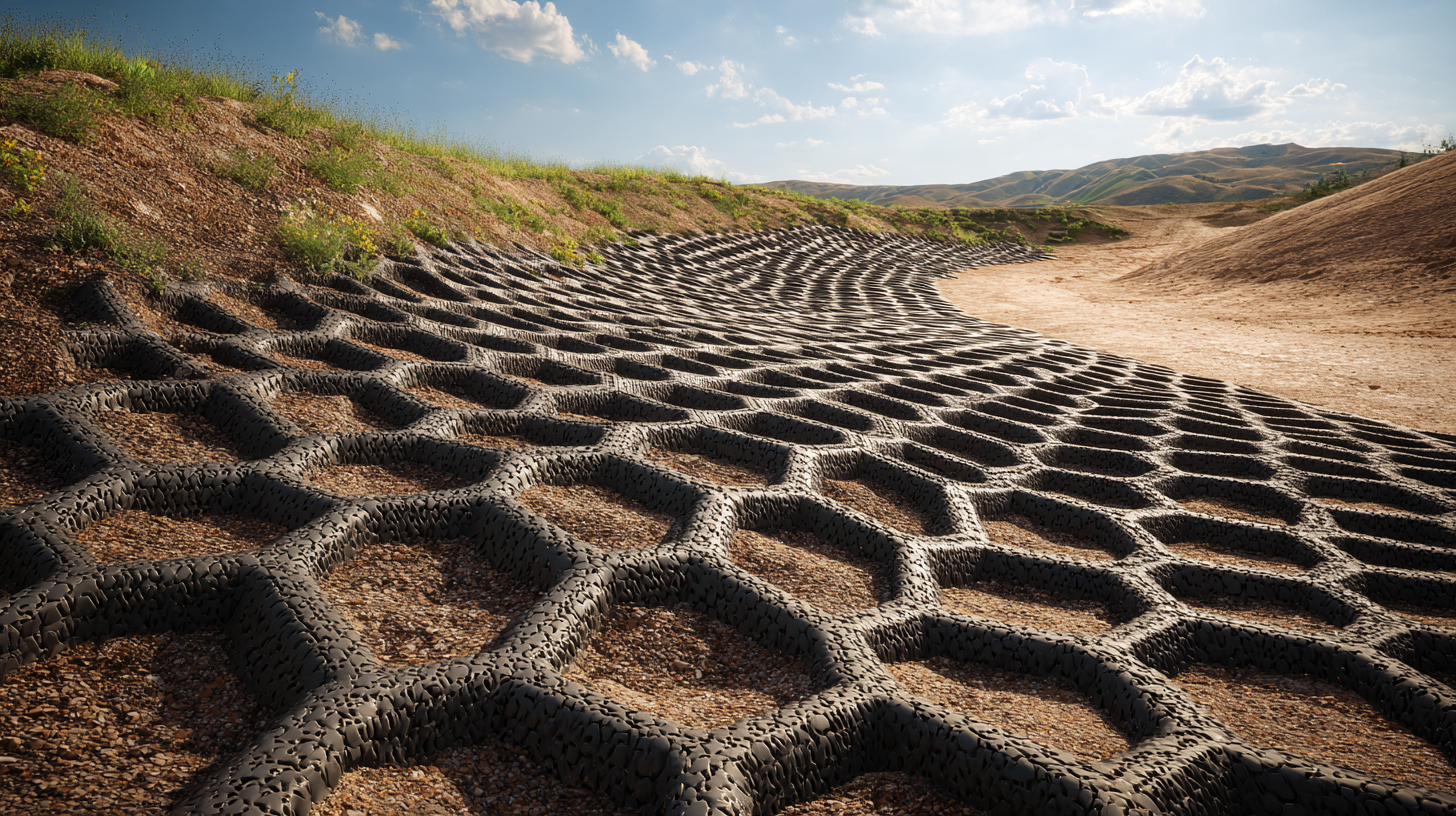
Plastic geocells have emerged as a transformative tool in land management across various environments. One notable case study is the use of geocells in managing soil erosion in coastal areas. In this scenario, geocells are deployed to create a structured framework that stabilizes loose soil and promotes vegetation growth. This not only combats erosion but also enhances the habitats of local wildlife, showcasing a dual benefit for both environmental management and biodiversity conservation.
Another example can be found in urban construction projects, where geocells are implemented for effective stormwater management. In a city prone to flooding, geocells were used beneath parking lots and roads to allow rainwater to infiltrate into the ground. By spacing the surfaces and allowing for proper drainage, these geocells reduce surface runoff and mitigate flooding risks during heavy rainfall. This innovative approach not only improves urban resilience but also contributes to groundwater recharge, making plastic geocells a vital element in modern environmental solutions.


