2025 Top 5 Benefits of Geotextile Coir for Sustainable Landscaping Solutions
As sustainable landscaping continues to gain traction in environmental conservation efforts, innovative materials are being sought to enhance both functionality and aesthetics in garden design. One such material that stands out is Geotextile Coir, derived from the fibrous husks of coconuts. This natural product not only supports plant growth but also plays a pivotal role in soil erosion control, making it an invaluable asset for eco-conscious landscapers. In this article, we will delve into the top five benefits of incorporating Geotextile Coir into landscaping projects for 2025, emphasizing its role in creating sustainable solutions.
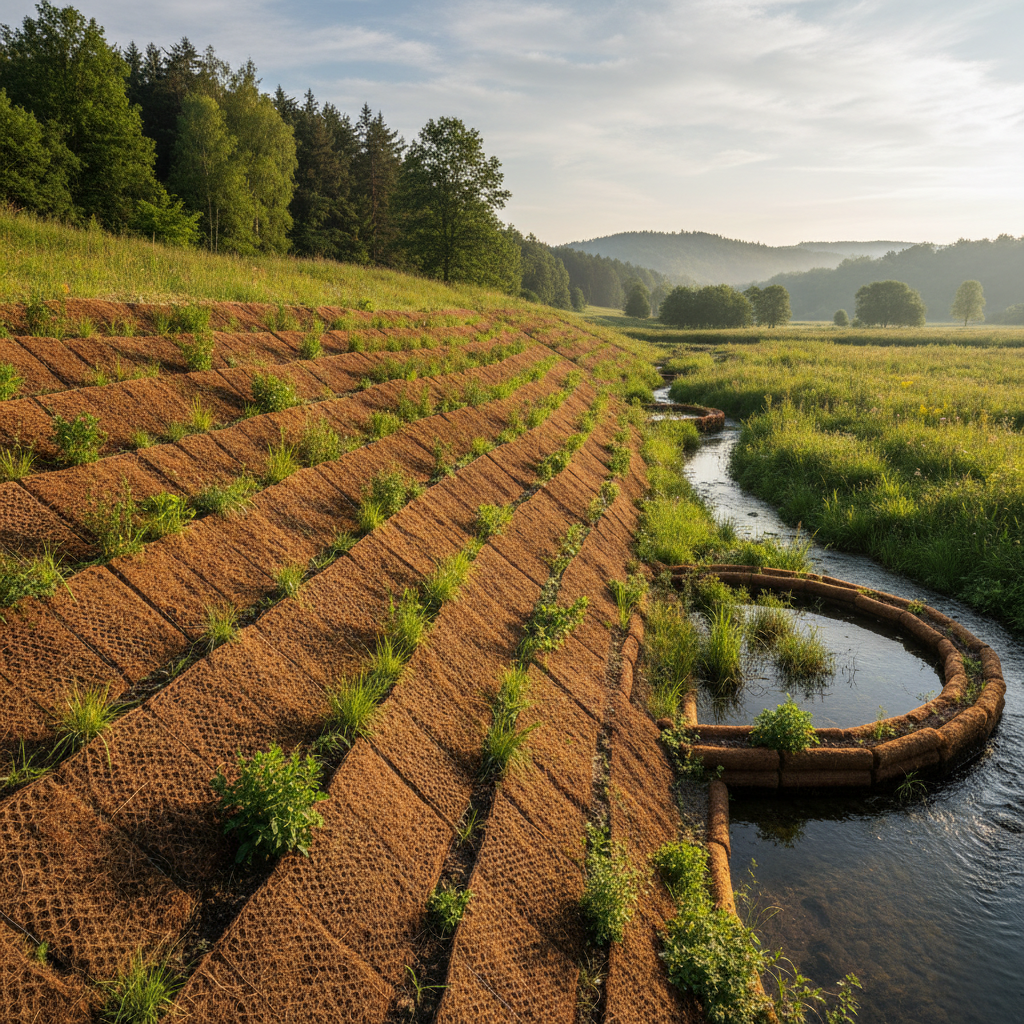
Utilizing Geotextile Coir provides numerous advantages, from promoting healthy plant development to improving soil structure. Its ability to retain moisture while allowing for proper drainage demonstrates its dual function as both a protective and nourishing element in garden ecosystems. As we explore the unique properties of Geotextile Coir, we will offer practical tips on how to effectively integrate this versatile material into various landscaping endeavors, ensuring that your outdoor spaces thrive while contributing to a healthier planet. Whether you are a professional landscaper or a gardening enthusiast, understanding the benefits of Geotextile Coir can transform your approach to sustainable landscaping.
Advantages of Geotextile Coir in Retaining Soil Moisture Effectively
 Geotextile coir, derived from coconut husks, presents significant advantages in retaining soil moisture, making it an ideal choice for sustainable landscaping solutions. The natural fibrous structure of coir allows it to absorb and hold water effectively, providing a sustained moisture reservoir for plants. This characteristic not only aids in improving plant health but also reduces the need for frequent irrigation, which is particularly beneficial in arid regions where water conservation is crucial.
Moreover, coir geotextiles promote healthy soil structure by preventing erosion and enhancing soil aeration. The ability of coir to break down gradually adds organic matter to the soil, improving its nutrient-holding capacity. As moisture retention increases, the microbial activity within the soil benefits, fostering a thriving ecosystem that supports plant growth. These features not only contribute to a greener environment but also align with sustainable landscaping practices, offering a natural option for gardeners and landscapers seeking eco-friendly materials.
Enhancing Soil Fertility with Geotextile Coir Applications
Geotextile coir, derived from coconut husks, is rapidly becoming a favored choice for sustainable landscaping solutions due to its remarkable capacity to enhance soil fertility. According to the International Textile Association, coir has a high organic content that significantly contributes to soil structure, enabling better water retention and aeration. This capability is particularly beneficial in various landscaping applications, where maintaining soil health is crucial for plant growth and environmental balance. Recent studies indicate that the application of coir in landscaping can increase soil organic matter by up to 40%, providing essential nutrients and improving soil microbiome activity.
Furthermore, coir geotextiles serve as a natural barrier against erosion, thus promoting long-term soil stability. The American Society of Civil Engineers reports that implementing coir mats in landscaping can reduce soil erosion by up to 60% compared to traditional methods. Additionally, coir's biodegradability ensures that it integrates seamlessly into the ecosystem, decomposing over time and further enriching the soil. In essence, the use of geotextile coir not only fosters robust plant growth through enhanced fertility but also supports environmentally sustainable practices in landscaping.
Promoting Biodiversity Through Sustainable Landscaping with Coir
Geotextile coir, derived from the fibrous husk of coconuts, has emerged as a unique and
environmentally friendly solution for sustainable landscaping. By utilizing coir in landscaping projects, we can promote biodiversity and create healthier ecosystems.
This natural material helps retain moisture, supports soil structure, and reduces soil erosion, which are essential elements for establishing thriving habitats for various
plant and animal species.
Tips for implementing coir in your landscaping include layering it in garden beds to improve water retention and using coir mats to stabilize soil on slopes.
Additionally, consider incorporating coir into your compost mixes; it can improve aeration and moisture balance, fostering a more diverse microbial community that benefits
overall soil health.
Moreover, coir's organic properties make it an excellent choice for creating wildlife-friendly gardens. By using coir products, such as erosion control blankets and biodegradable pots,
you can ensure that your landscaping promotes not only plant growth but also the well-being of local wildlife. Choosing coir supports sustainable practices that encourage
diverse flora and fauna, leading to a richer, more resilient environment.
Durability and Longevity of Geotextile Coir in Environmental Solutions
Geotextile coir, derived from natural coir fibers, has emerged as a sustainable option in landscaping solutions, particularly known for its durability and longevity. In environmental applications, the robustness of geotextile coir ensures that it can withstand various climatic conditions without compromising its structural integrity. Its resistance to degradation enhances its lifespan, making it an ideal material for projects focusing on soil stabilization, erosion control, and water management.
Moreover, the stitch-less design of geotextile coir products contributes to their increased durability, reducing the risk of fraying and wear over time. This design feature also facilitates easier installation, saving both time and labor costs for landscaping professionals. By incorporating geotextile coir into sustainable landscaping practices, users not only invest in a product that supports environmental preservation but also benefit from a long-lasting solution that can adapt to diverse environmental challenges.
Cost-Effectiveness of Using Geotextile Coir in Landscaping Projects
Geotextile coir, made from the fibers of coconut husks, presents a cost-effective solution for sustainable landscaping projects. Its natural properties not only enhance soil health but also reduce the need for synthetic materials, which can be costly and environmentally harmful. By using coir geotextiles, landscapers can mitigate erosion, promote moisture retention, and improve the overall structure of the soil without significantly increasing project expenditures.
This material's durability and biodegradability further translate to long-term savings, as it often requires less frequent replacement compared to conventional options.
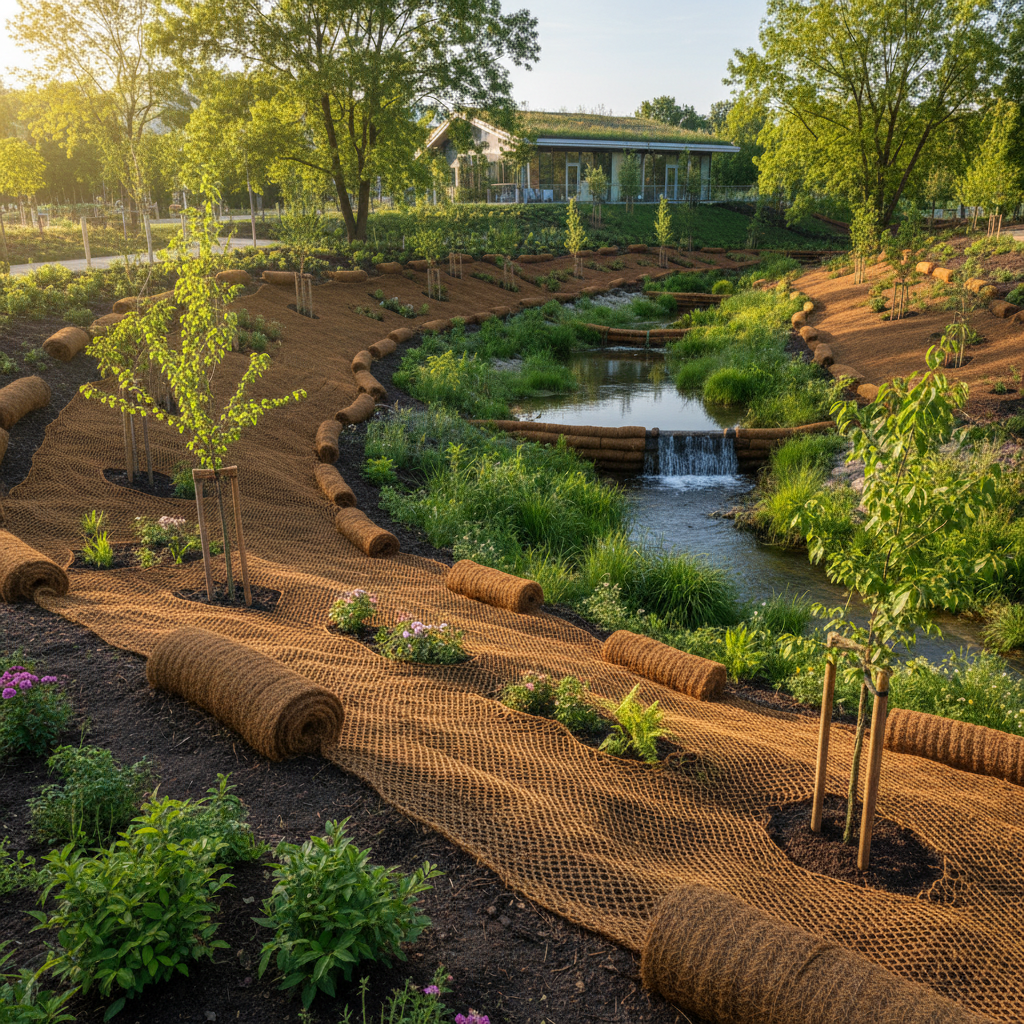
Additionally, the use of geotextile coir in landscaping can result in lower maintenance costs over time. Its ability to support plant growth and reduce weed proliferation means less need for chemical fertilizers and herbicides, which can be both expensive and detrimental to the environment. Furthermore, incorporating this eco-friendly material aligns with the growing demand for sustainable landscaping practices, potentially attracting more clients who prioritize environmental responsibility.
Thus, the initial investment in geotextile coir can lead to significant financial benefits as well as contribute to the overall sustainability of landscaping solutions.


