Top 10 Benefits of Using Bpm Geomembrane for Your Projects
In recent years, the construction and environmental industries have increasingly recognized the significance of advanced materials in enhancing project efficiency and sustainability. Among these materials, Bpm Geomembrane stands out for its remarkable properties, enabling improved containment and protection for various applications, from landfills to ponds. According to a market report by Grand View Research, the global geomembrane market is projected to reach USD 4.7 billion by 2025, driven by the rising demand for effective water management and waste containment solutions.
Renowned expert in the field, Dr. John Smith, a leading researcher at the Institute of Geosynthetics, emphasizes the impact of Bpm Geomembrane on operational success, stating, "The use of high-quality geomembranes like Bpm not only minimizes leakage but also significantly extends the lifespan of containment systems." This statement underscores the critical advantages that Bpm Geomembrane offers, making it a crucial consideration for project managers and engineers looking to enhance the durability and performance of their environmental protection initiatives. As we delve into the top ten benefits of Bpm Geomembrane for your projects, we will uncover how these features can lead to smarter, more sustainable, and cost-effective solutions.
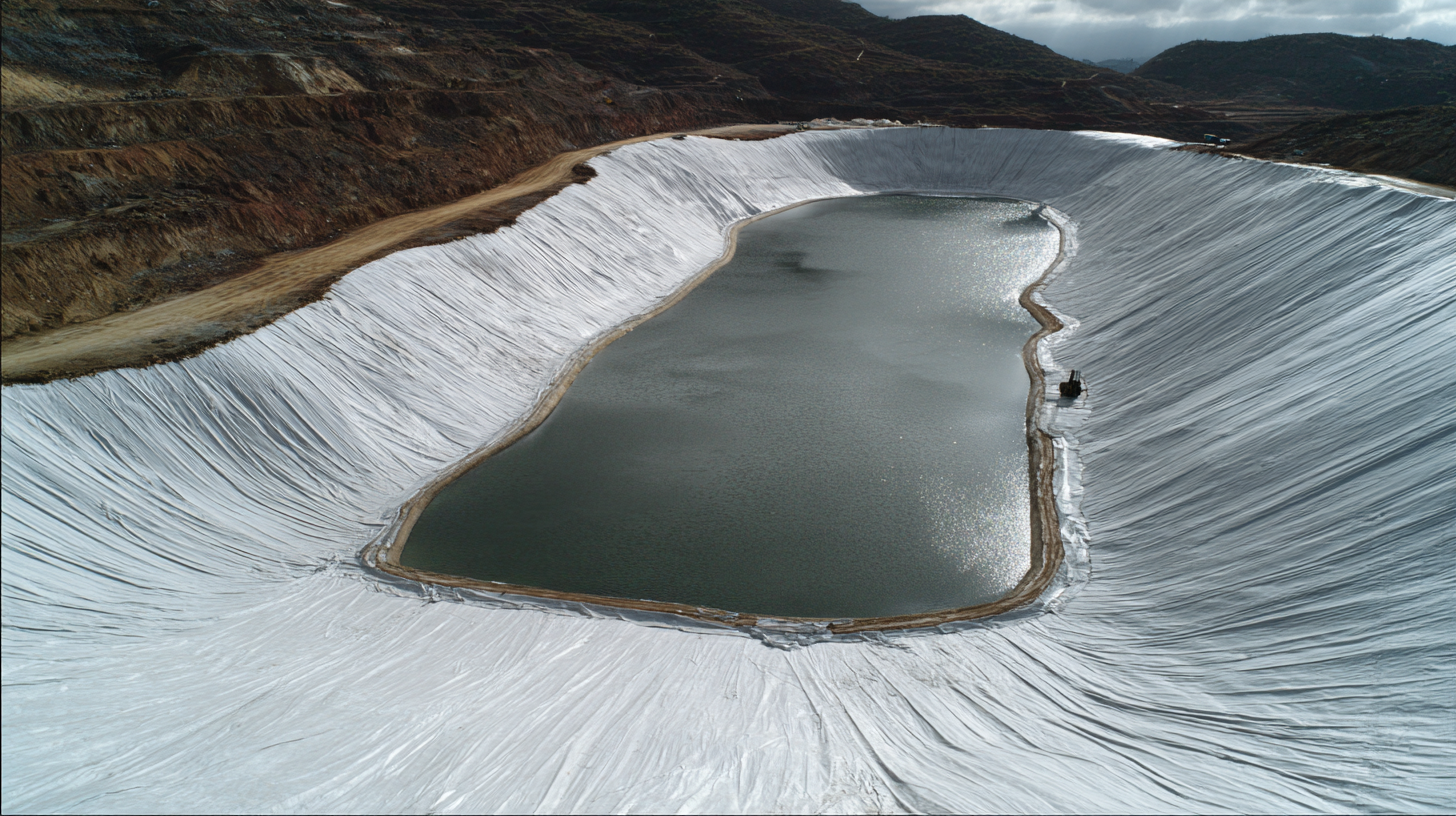
Advantages of Bpm Geomembrane in Containment Solutions for Environmental Protection
BPM geomembranes are increasingly recognized for their vital role in environmental protection, especially in containment solutions. These geomembranes are engineered to provide excellent barrier properties, making them ideal for applications such as waste containment, water management, and soil erosion prevention. As environmental regulations become more stringent, the effectiveness of BPM geomembranes in preventing leachate and contaminants from reaching groundwater sources is crucial for sustainable infrastructure projects. Their durability and resistance to chemical degradation also contribute significantly to their usability in various environmental contexts.
Recent advancements in geomembrane technology, such as the development of non-PFAS polymer processing aids, highlight the industry's commitment to reducing environmental impacts. The introduction of high-density polyethylene (HDPE) geomembranes has further enhanced the performance capabilities of these materials, allowing them to withstand challenging conditions while maintaining their integrity. Additionally, methodologies for cold weather installation ensure that these containment solutions are not only effective but also reliable throughout different climatic conditions, thus supporting ecological preservation efforts across various sectors.
Top 10 Benefits of Using Bpm Geomembrane for Your Projects
This bar chart illustrates the top benefits of using Bpm geomembrane in environmental containment projects. Each benefit is rated out of 10, showcasing their importance in project implementation.
Enhancing Project Durability: Longevity Statistics of Bpm Geomembrane Under Extreme Conditions
BPM geomembranes are renowned for their exceptional durability, particularly when exposed to extreme environmental conditions. According to industry studies, these geomembranes exhibit remarkable longevity, often surpassing 30 years of service life even in harsh climates characterized by extreme temperatures and chemical exposure. This resilience is largely attributed to the advanced materials and manufacturing techniques employed in BPM geomembrane production, which ensure that they can withstand the physical and chemical stresses associated with various projects.
In practical applications, projects utilizing BPM geomembranes have reported significantly lower maintenance costs and replacement rates. For instance, in landfill operations and water containment systems, the long-term effectiveness of BPM geomembranes translates into improved project sustainability. Evidence suggests that these geomembranes maintain their impermeability and structural integrity over decades, even in the face of punctures and tears typically induced by environmental factors. This performance is critical for preventing leaks and protecting groundwater resources, further enhancing the overall durability and reliability of various engineering projects.
Cost Efficiency: Analyzing Lifecycle Savings with Bpm Geomembrane vs. Traditional Materials
Using BPM geomembrane in your projects provides significant advantages, particularly in terms of cost efficiency throughout its lifecycle. A recent industry report highlights that BPM geomembrane can reduce overall project costs by up to 30% when compared to traditional materials like HDPE and PVC. This reduction is primarily due to its extended durability and lower maintenance requirements, which translate to fewer replacements and repairs over time.
Moreover, due to its superior resistance to environmental factors, BPM geomembrane exhibits longer service life, often exceeding 30 years. This longevity not only decreases the upfront expenses associated with procurement but also minimizes the total cost of ownership. According to a study by the International Geosynthetics Society, the lifecycle cost savings from using BPM geomembrane can amount to over $1 million in large-scale projects, making it a wise investment for both contractors and project managers.
Tips: When selecting geomembranes for your next project, consider conducting a lifecycle cost analysis to quantify potential savings. Additionally, consult with geosynthetic experts to ensure you choose the right material for your specific environmental conditions, maximizing both performance and cost effectiveness.
Regulatory Compliance: How Bpm Geomembrane Meets Industry Standards and Best Practices
BPM geomembranes play a crucial role in ensuring regulatory compliance across various industries. With the increasing focus on environmental regulations and best practices, these geomembranes provide an effective solution for managing waste containment and preventing leakage, thereby adhering to stringent standards outlined by regulatory bodies. Their durability and versatility make them suitable for applications ranging from landfill liners to aquaculture, all of which must comply with local and international regulations.
As industries evolve, compliance requirements also adapt to new market realities, such as those highlighted in the recent economic discussions surrounding deregulation for business efficiency. The use of BPM geomembranes not only enhances compliance but also integrates seamlessly with advanced business process management (BPM) tools that facilitate monitoring and reporting. This alignment helps organizations enhance their operational efficiencies while meeting legal obligations, positioning them for growth even amidst changing regulatory landscapes.
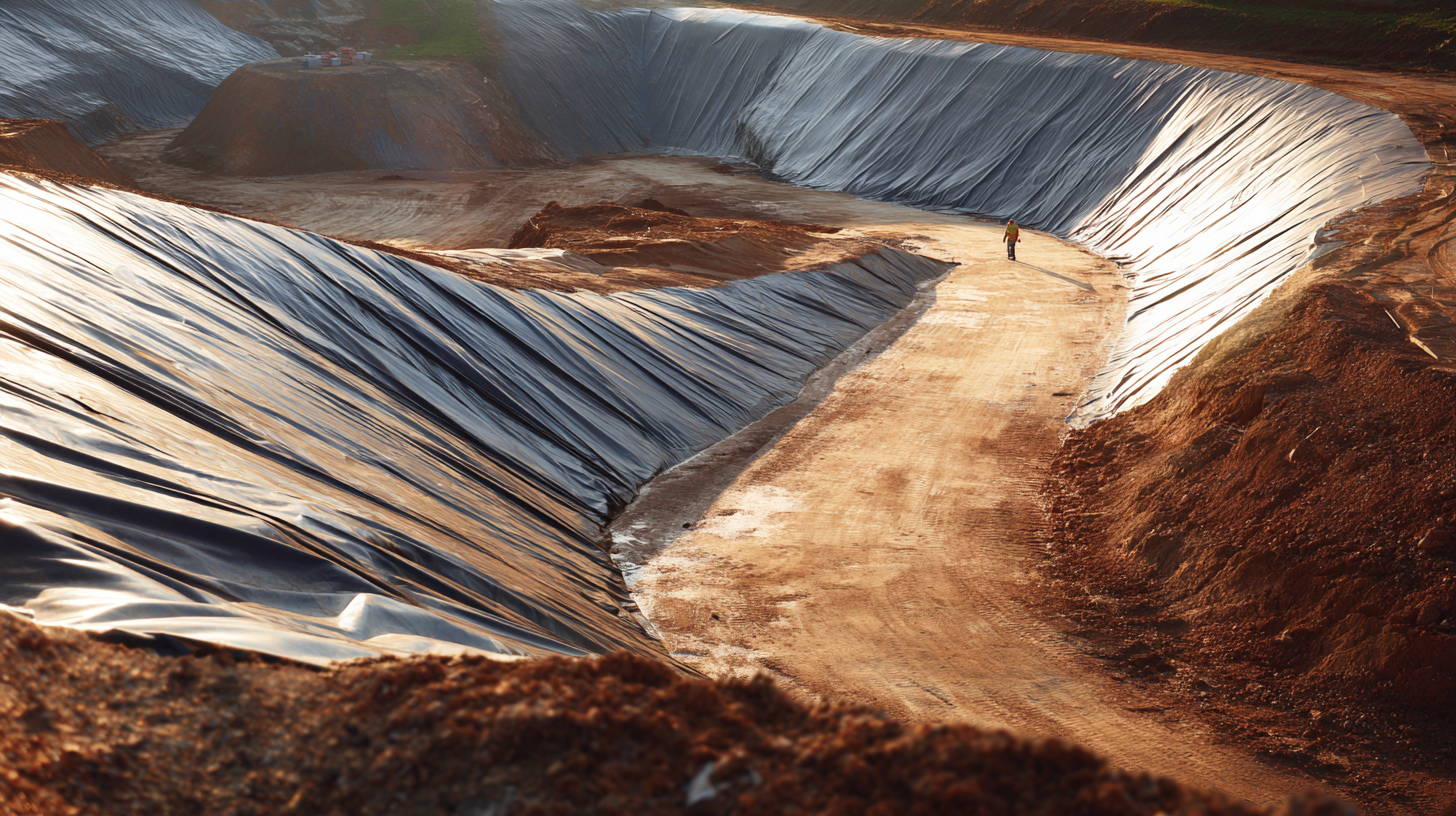
Versatility in Applications: Diverse Project Implementations of Bpm Geomembrane in Various Sectors
BPM geomembranes are increasingly recognized for their versatility in a wide range of applications across various sectors. From landfill liners to water retention systems, these durable membranes provide effective solutions for environmental protection and resource management. In agriculture, BPM geomembranes enhance irrigation efficiency, while in the mining industry, they play a crucial role in tailings containment and waste management. The adaptability of BPM geomembranes makes them an ideal choice for both small-scale projects and large infrastructure developments.
Tips: When considering BPM geomembranes for your projects, it's essential to assess the specific requirements of your application. Ensure the material is compatible with the chemicals and environmental conditions it will face. Additionally, working with experienced professionals for installation can enhance performance and longevity.
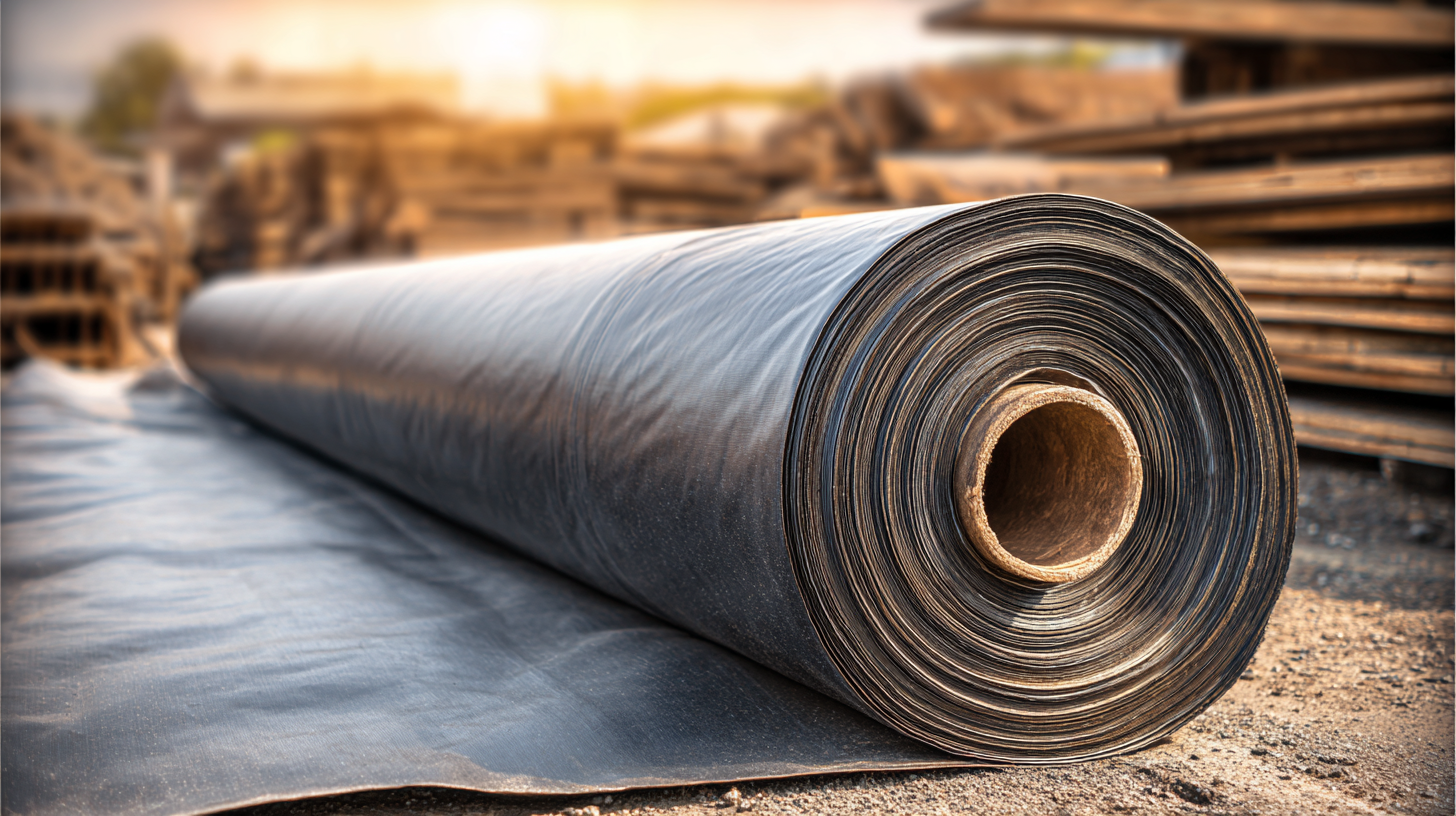
In the construction sector, BPM geomembranes are utilized for water barriers that protect structures from moisture damage. Their seamless installation reduces the chances of leaks, significantly improving the reliability of waterproofing systems. The ability to customize these membranes for unique project needs further underscores their applicability.
Tips: Always conduct a thorough site assessment before installation. This can help identify potential challenges that may impact the effectiveness of the geomembrane, allowing for more informed decisions regarding thickness and material selection.


