Maximizing Durability and Efficiency of Landscape Projects with Innovative Geotextile Use
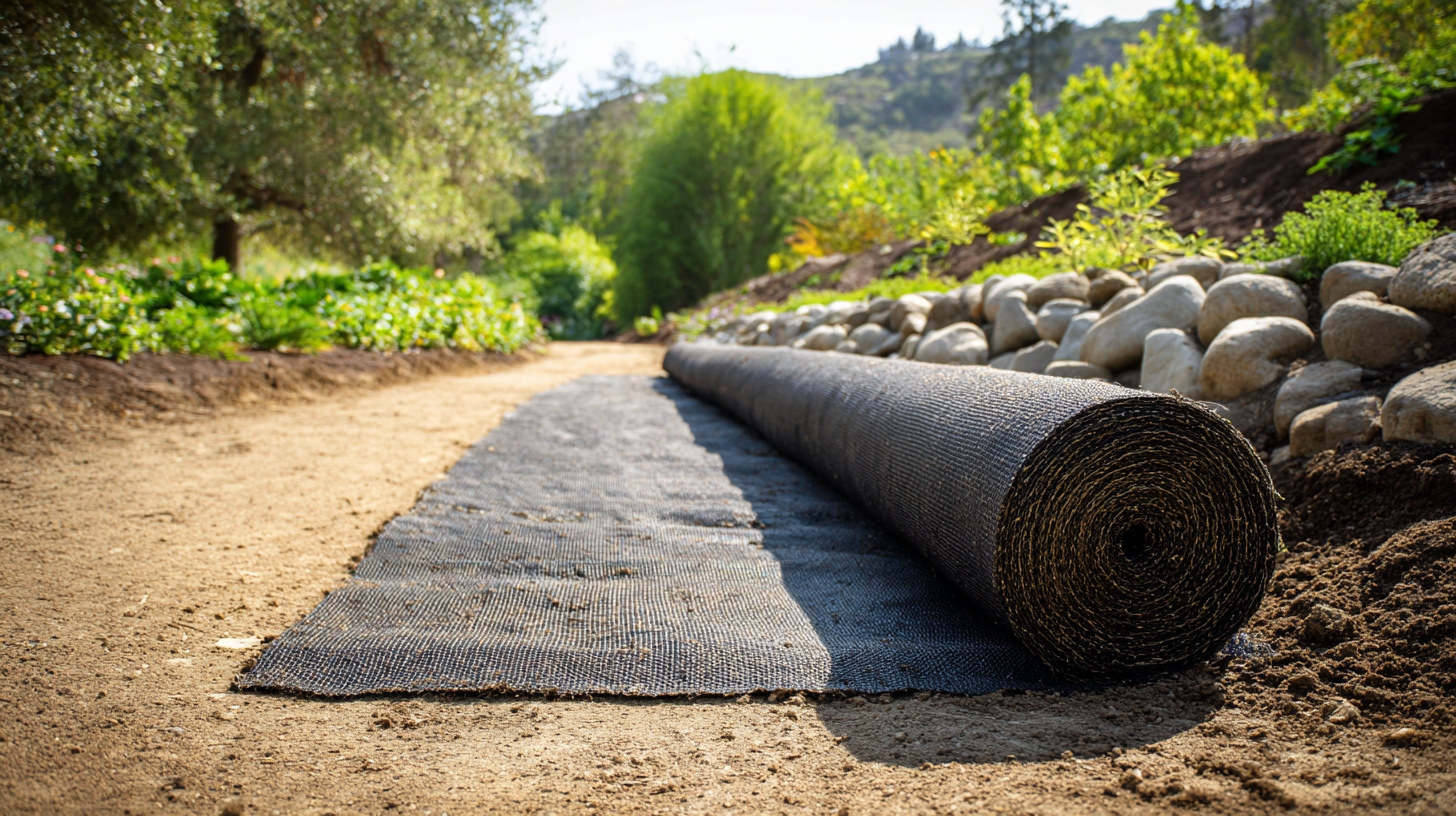 The landscape industry continues to evolve, with innovative materials such as
geotextiles playing a crucial role in enhancing the
durability and efficiency of projects. According to a recent
report by the Global Geotextiles Market, the demand for geotextile use
is projected to grow at a compound annual growth rate (CAGR) of
12.4% from 2021 to 2028, driven by the increasing need for
sustainable and resilient infrastructure. Geotextiles offer
unparalleled benefits in landscaping, including improved soil stabilization, erosion control, and enhanced water management.
By integrating advanced geotextile applications, landscape professionals can reduce maintenance costs,
extend project lifecycles, and promote environmental sustainability. As the industry embraces these innovative
solutions, understanding the optimal use of geotextiles will be essential for maximizing both
performance and
longevity in landscape projects.
The landscape industry continues to evolve, with innovative materials such as
geotextiles playing a crucial role in enhancing the
durability and efficiency of projects. According to a recent
report by the Global Geotextiles Market, the demand for geotextile use
is projected to grow at a compound annual growth rate (CAGR) of
12.4% from 2021 to 2028, driven by the increasing need for
sustainable and resilient infrastructure. Geotextiles offer
unparalleled benefits in landscaping, including improved soil stabilization, erosion control, and enhanced water management.
By integrating advanced geotextile applications, landscape professionals can reduce maintenance costs,
extend project lifecycles, and promote environmental sustainability. As the industry embraces these innovative
solutions, understanding the optimal use of geotextiles will be essential for maximizing both
performance and
longevity in landscape projects.
Benefits of Using Innovative Geotextiles in Landscape Projects
Innovative geotextiles play a crucial role in enhancing the durability and efficiency of landscape projects. These advanced materials serve to prevent common issues such as erosion and weed growth, providing a stable foundation for various outdoor applications. Utilizing geotextiles as a base layer, particularly in gravel patios, not only improves drainage but also protects the integrity of the project by preventing the intermingling of soil and gravel. This reduces the risk of maintenance problems and enhances the overall longevity of the landscape.
Moreover, the diverse applications of geotextiles extend beyond residential projects. They are increasingly utilized in larger infrastructures, such as airports, where they aid in stormwater management and seismic protection. The recent developments in the geosynthetics market underscore the importance of incorporating innovative materials into design practices, promoting environmentally friendly construction solutions. By harnessing the benefits of modern geotextiles, landscape projects can achieve optimal performance and sustainability.
Maximizing Durability and Efficiency of Landscape Projects with Innovative Geotextile Use
This chart represents the advantages of using innovative geotextiles in landscape projects, showcasing their impact on durability and efficiency across different project types.
Selecting the Right Type of Geotextile for Your Landscape Needs
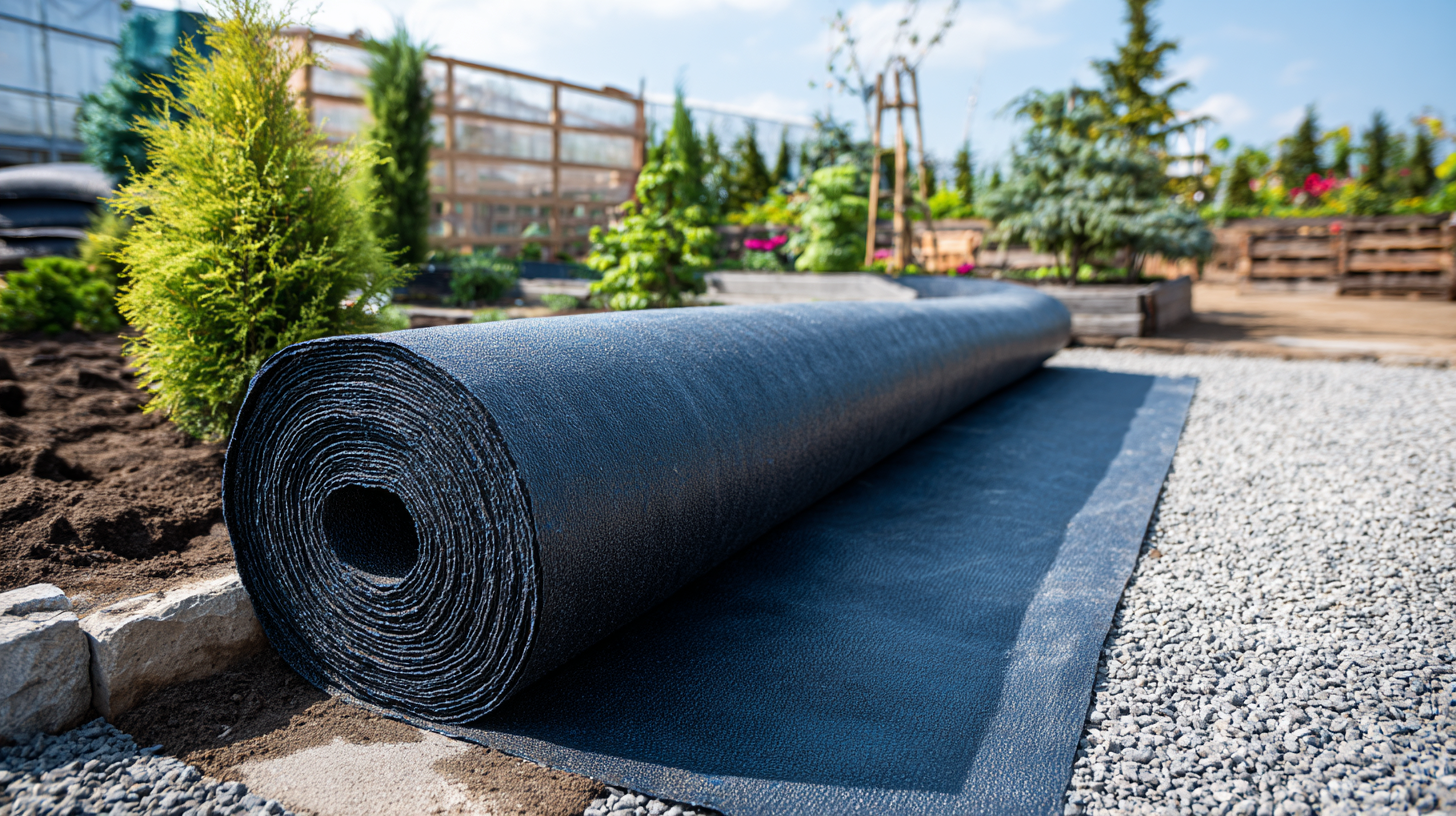
When selecting geotextiles for landscape projects, understanding the unique properties and applications of each type is crucial for achieving optimal durability and efficiency. Geotextiles can be categorized into woven and non-woven fabrics, each offering distinct benefits. Woven geotextiles, known for their strength and load distribution capabilities, are often preferred for erosion control and stabilization in high-traffic areas. According to the Geosynthetic Research Institute, using woven geotextiles can improve the structural longevity of landscape features by up to 30%, significantly reducing maintenance costs over time.
On the other hand, non-woven geotextiles are excellent for drainage and filtration applications, ideal for areas prone to waterlogging. They allow water to pass while preventing soil erosion, thereby enhancing the health of plants. A comprehensive study by the International Geosynthetics Society indicated that utilizing non-woven geotextiles can increase water retention in landscape projects by 25%, making them invaluable in arid regions where moisture management is critical. By carefully assessing the specific requirements of a landscape project and choosing the appropriate geotextile type, landscape architects can maximize both the durability and efficiency of their designs.
Techniques for Integrating Geotextiles into Landscape Designs
The integration of geotextiles within landscape designs offers innovative pathways to enhance the durability and efficiency of both urban and rural environments. By utilizing techniques that embed geotextiles into natural ecological landscapes, designers can promote effective water management while preserving the aesthetic values of the surroundings. This approach not only addresses drainage and erosion control but also encourages biodiversity, creating spaces that can adapt to varying environmental conditions.
Emerging technologies such as computer vision and deep learning are playing a pivotal role in rural landscape design. These tools provide valuable insights based on human perception and visual aesthetics, enabling designers to craft landscapes that resonate with community preferences. The convergence of artificial intelligence with landscape architecture facilitates a more dynamic response to ecological challenges, ultimately enhancing the integration of water environment governance. By harnessing these advancements, practitioners can develop more resilient and visually appealing rural spaces that align with sustainable design principles.
Maintenance Best Practices for Long-Lasting Geotextile Performance
Proper maintenance is essential for ensuring the durability and efficiency of geotextiles used in landscape projects. To achieve long-lasting performance, regular inspections of the geotextile layers should be conducted to identify signs of damage or degradation. Professionals should check for issues such as punctures, tears, and soil intrusion, which can compromise the integrity of the material. By promptly addressing any identified problems, the lifespan of the geotextile can be significantly extended.
Additionally, effective maintenance practices include maintaining proper drainage and avoiding the accumulation of debris on the surface of the geotextile. It is crucial to ensure that water can flow freely over and through the material, preventing any hydrostatic pressure that may cause it to fail. Regular cleaning and removal of excess soil, leaves, or other organic matter will also help in preserving the function of the geotextiles, as blockage can lead to erosion and destabilization of the landscape. By integrating these best practices, landscape projects can benefit from the innovative use of geotextiles, realizing improved durability and efficiency over time.
Case Studies: Successful Landscape Projects Utilizing Geotextiles
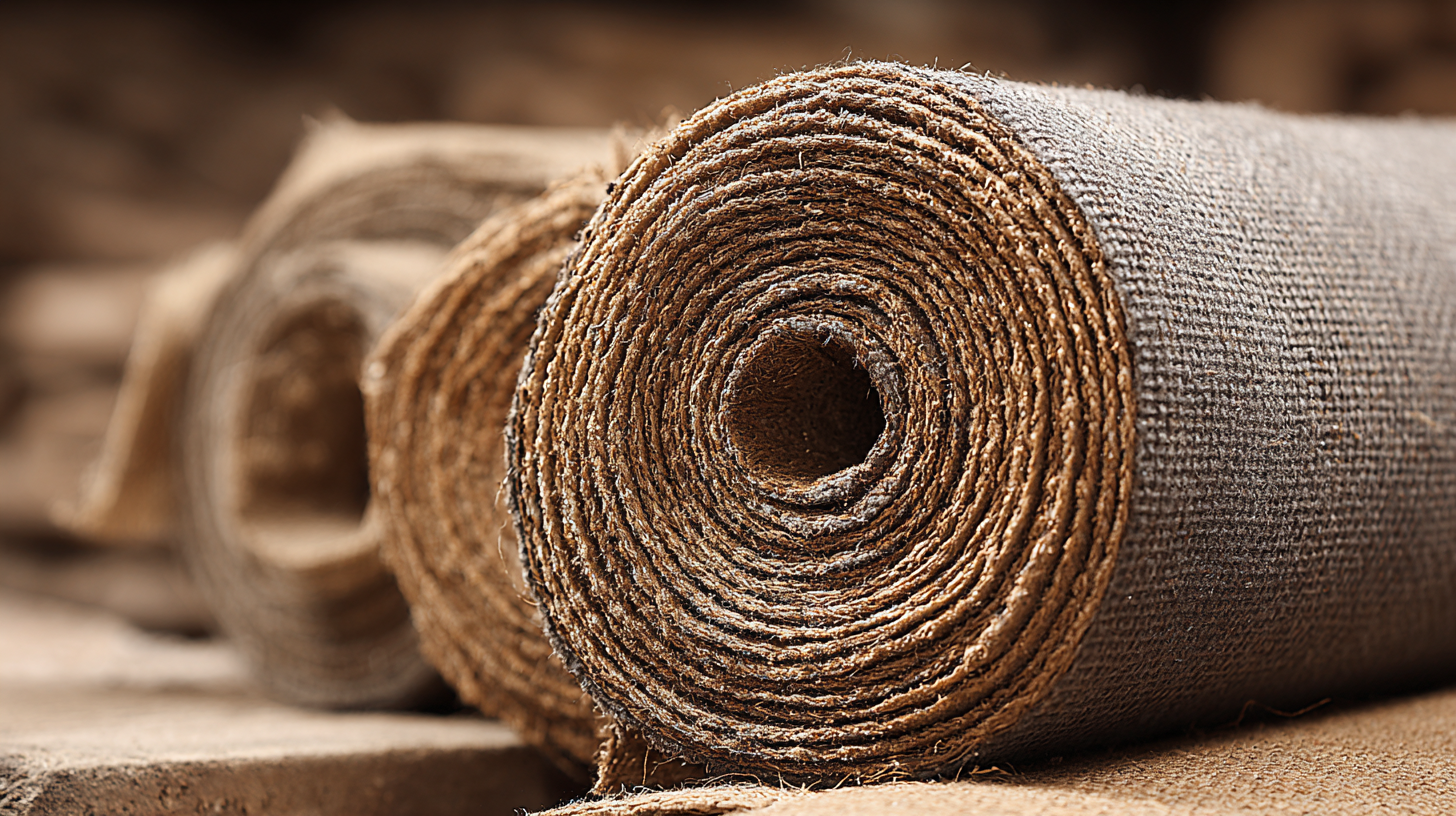
Innovative applications of geotextiles have significantly enhanced the durability and efficiency of various landscape projects. In one noteworthy case, a park restoration initiative utilized geotextile fabrics to control erosion and improve soil stability. By strategically placing geotextiles to separate soil layers and facilitate drainage, the project not only preserved the park's biodiversity but also ensured the longevity of new plantings. This method resulted in a robust landscape that can withstand environmental stressors, demonstrating how geotextiles contribute to sustainable design solutions.
Another successful example involves a large-scale urban green space development, where geotextiles were used in combination with permeable pavements. This integration allowed for effective water management while promoting healthy root growth beneath hard surfaces. As a result, the landscape thrived, even in adverse weather conditions, and provided essential green space for the community. These case studies illustrate the vital role of geotextiles in creating resilient landscapes that meet both ecological and aesthetic goals.


