How to Effectively Implement Geotextile Use in Your Construction Projects
The construction industry has increasingly recognized the importance of
Geotextile Use in enhancing project sustainability and efficiency.
According to a report by Research and Markets, the global geotextiles market is expected to reach
USD 10.5 billion by 2025, growing at a compound annual growth rate
(CAGR) of 12.3% from 2020. This surge is largely attributed to the
growing demand for better soil stabilization and erosion control solutions in civil engineering projects.
Effectively implementing geotextiles can lead to significant improvements in a project's lifecycle, offering
benefits such as reduced maintenance costs and enhanced structural integrity.
This article will explore strategies for effectively utilizing geotextiles in construction, ensuring that
professionals can leverage this essential material to meet evolving project demands while adhering to
industry standards and best practices.
Understanding the Different Types of Geotextiles for Construction Projects
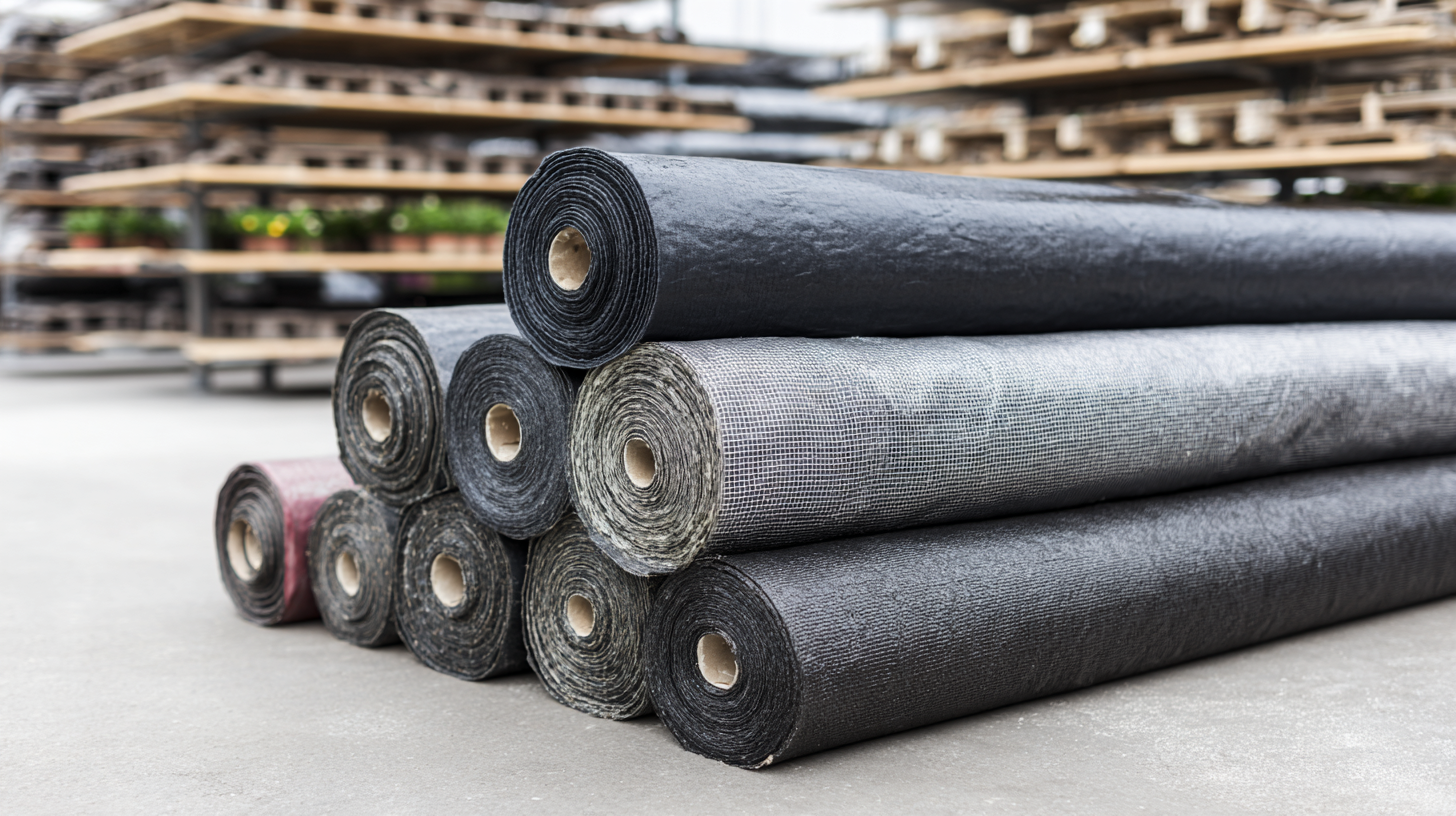
Geotextiles play a vital role in modern construction projects, providing benefits that range from soil stabilization to erosion control. There are primarily three types of geotextiles used in construction: woven, non-woven, and knitted. Woven geotextiles are highly durable, making them ideal for applications requiring high tensile strength, such as steep slope stabilization. According to a report by the Geosynthetic Institute, woven geotextiles can withstand significant loads, thus improving the stability of structures built on weak soils.
Non-woven geotextiles are excellent for filtration applications, as they allow water to pass through while preventing soil particles from escaping. These materials are extensively used in drainage systems, road constructions, and landfill sites. A study published in the Journal of Materials in Civil Engineering highlights that using non-woven geotextiles can enhance drainage efficiency by up to 30%, significantly extending the lifespan of infrastructure.
**Tip:** When selecting geotextiles for your project, consider the specific environmental conditions and performance requirements. Always consult with geotechnical engineers to identify the most suitable type for your needs.
**Tip:** Regular maintenance of geotextile installations can greatly improve their long-term effectiveness. Inspecting for wear and ensuring proper drainage can prevent costly failures in the future.
How to Effectively Implement Geotextile Use in Your Construction Projects
| Type of Geotextile |
Primary Use |
Material Composition |
Key Benefits |
Typical Applications |
| Woven Geotextile |
Separation |
Polypropylene or Polyester |
High strength, excellent drainage |
Road construction, soil stabilization |
| Non-Woven Geotextile |
Filtration |
Polyester or Polypropylene |
Excellent permeability, lightweight |
Drainage systems, landfill liners |
| Geogrid |
Reinforcement |
Polypropylene or Fiberglass |
High tensile strength, effective load distribution |
Pavement structures, embankments |
| Geocomposite |
Drainage and Filtration |
Combination of geotextiles and drainage core |
Efficient fluid flow, reduced clogging |
Landfills, retaining walls |
Evaluating Site Conditions to Determine Geotextile Needs
When implementing geotextiles in construction projects, evaluating site conditions is crucial to determine the specific needs and benefits offered by these materials. Factors such as soil type, drainage requirements, and environmental factors must be assessed to ensure the successful application of geotextiles. For instance, sandy soils may require reinforcement with geotextiles to prevent erosion, while clay soils might benefit from separation layers to improve drainage.
Tips: Before selecting a geotextile, conduct a thorough soil analysis to identify its properties. This will help you choose the right type of geotextile—whether woven or non-woven—tailored to enhance the performance of your project. Additionally, consider the local climate and potential water flow patterns to anticipate challenges that geotextiles can help mitigate.
Understanding these conditions also facilitates better planning and execution of your construction project. Stay informed about the latest geotextile technologies, as advancements can offer innovative solutions to traditional site challenges. Using a detailed checklist during your evaluation process can ensure that no critical factors are overlooked, ultimately facilitating a more efficient and effective construction timeline.
Best Practices for Installing Geotextiles in Various Environments
Geotextiles serve as a vital component in modern construction projects, especially in diverse environments characterized by varying soil composition and moisture levels. The proper installation of these materials can significantly enhance drainage and filtration processes, ultimately contributing to the longevity and stability of civil structures. According to industry reports, the effective use of geotextiles can reduce the need for traditional drainage systems by up to 30%, leading to both cost savings and a smaller environmental footprint.
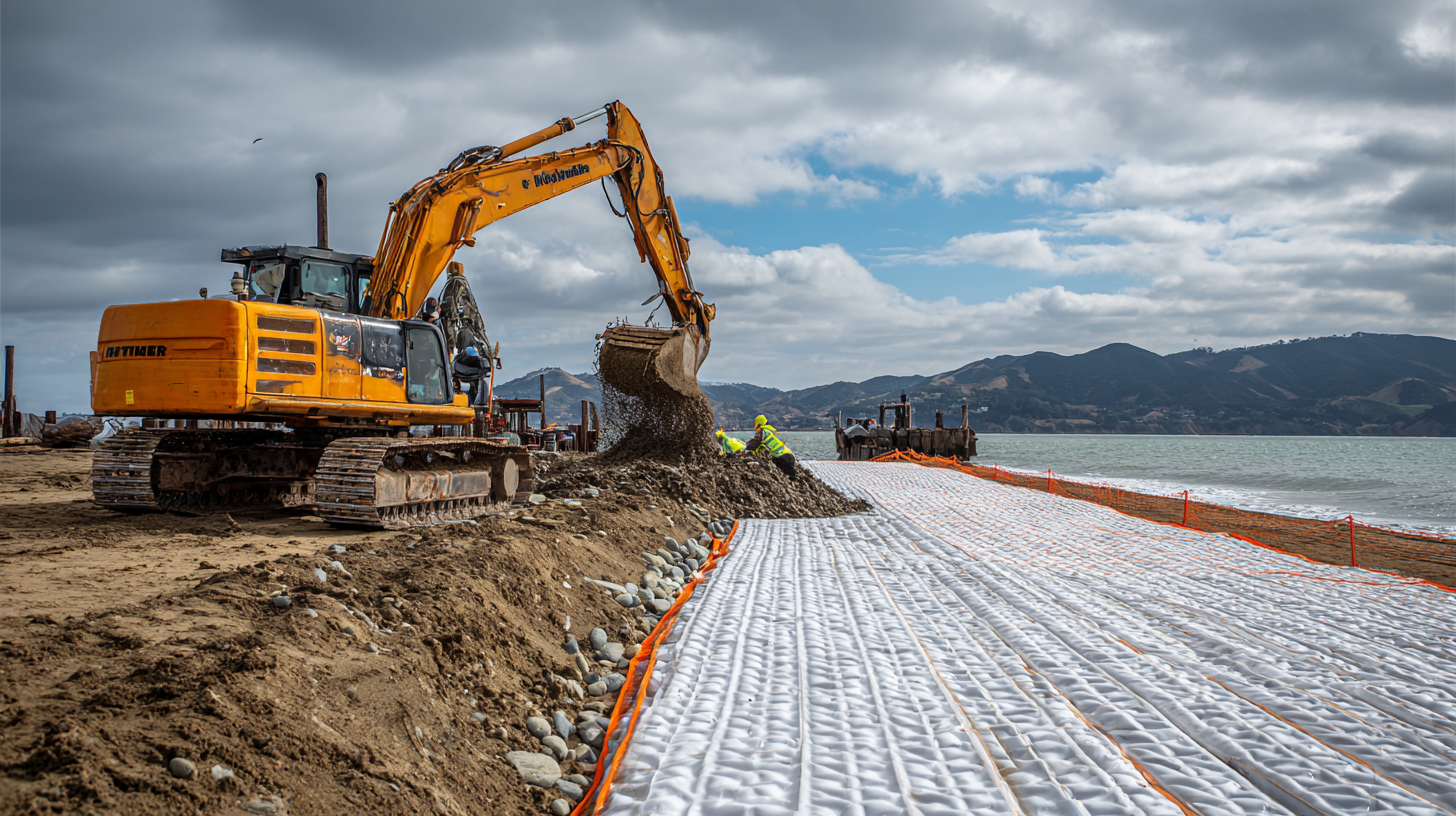
In environments prone to flooding, such as the Crissy Field Drainage Improvement Project, the integration of geotextiles into design plans can help mitigate water flow issues by enhancing soil stability and preventing erosion. Studies have shown that geosynthetics not only improve groundwater protection but also play a crucial role in waste management systems, particularly in regions facing stringent environmental regulations. For example, the use of geotextile liners in landfill applications can reduce leachate migration, ensuring adherence to environmental standards while minimizing the carbon footprint of construction materials.
Engaging with best practices in the installation of geotextiles is essential for maximizing their benefits across various construction contexts.
Cost-Benefit Analysis of Using Geotextiles in Construction
The cost-benefit analysis of using geotextiles in construction projects reveals significant advantages that contribute to both sustainability and economic efficiency. Geotextiles offer enhanced performance in soil stabilization, drainage, and reinforcement, which can reduce the need for extensive excavation and traditional materials. By integrating geotextiles into construction, projects can experience lower long-term maintenance costs and extended operational lifespan due to improved structural integrity.
Moreover, in specific applications such as the construction of breakwaters, geotextile sand containers provide an innovative solution for enhancing stability and hydraulic performance. This approach not only mitigates environmental impacts but also promotes cost savings through reduced material consumption and labor efforts. The examination of geosynthetic-reinforced asphalt overlays has further demonstrated how these materials can effectively combat reflective cracks and diminish the necessity for frequent repairs. As these analyses suggest, investing in geotextiles can yield substantial economic and environmental benefits, positioning them as a smart choice in modern construction practices.
Monitoring and Maintaining Geotextile Performance Over Time
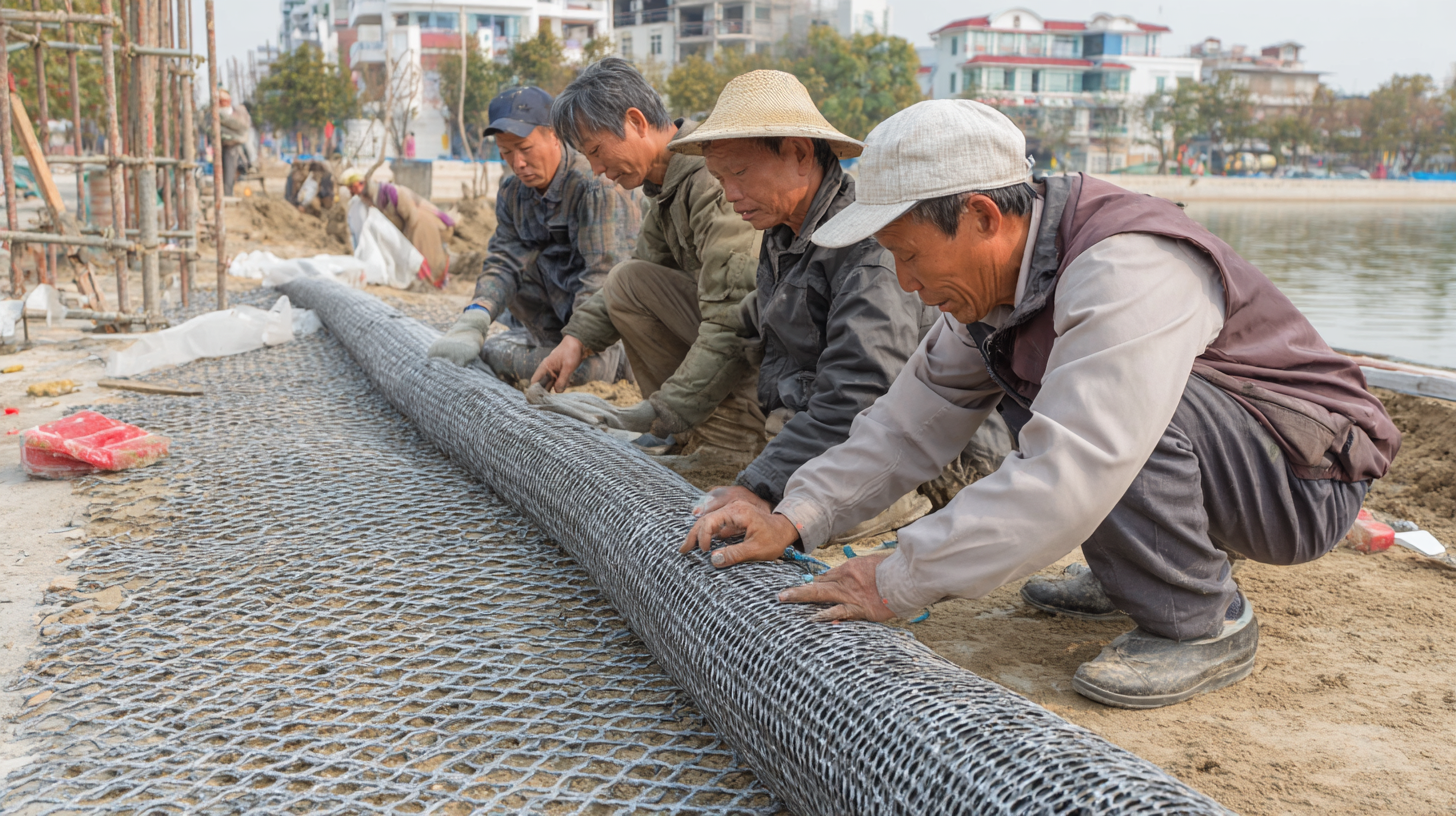
Monitoring and maintaining geotextile performance over time is crucial for ensuring the longevity and effectiveness of your construction projects. Regular inspections should be performed to assess the condition of the geotextiles, looking for signs of wear, degradation, or failure. This may involve visual assessments and, whenever possible, testing the physical properties of the material, such as tensile strength and permeability. By identifying potential issues early, you can take corrective action before they lead to more significant problems in the overall project.
In addition to routine inspections, implementing a robust maintenance plan is essential. This may include cleaning the geotextile surfaces to prevent clogging, especially in applications involving drainage where sediment buildup can occur. Furthermore, monitoring environmental factors such as temperature variations and UV exposure can provide insights into the geotextile's performance over time. Understanding the specific challenges posed by the project site can also guide the maintenance strategies, ensuring that the geotextile continues to function as intended in protecting soil integrity and supporting structural stability.