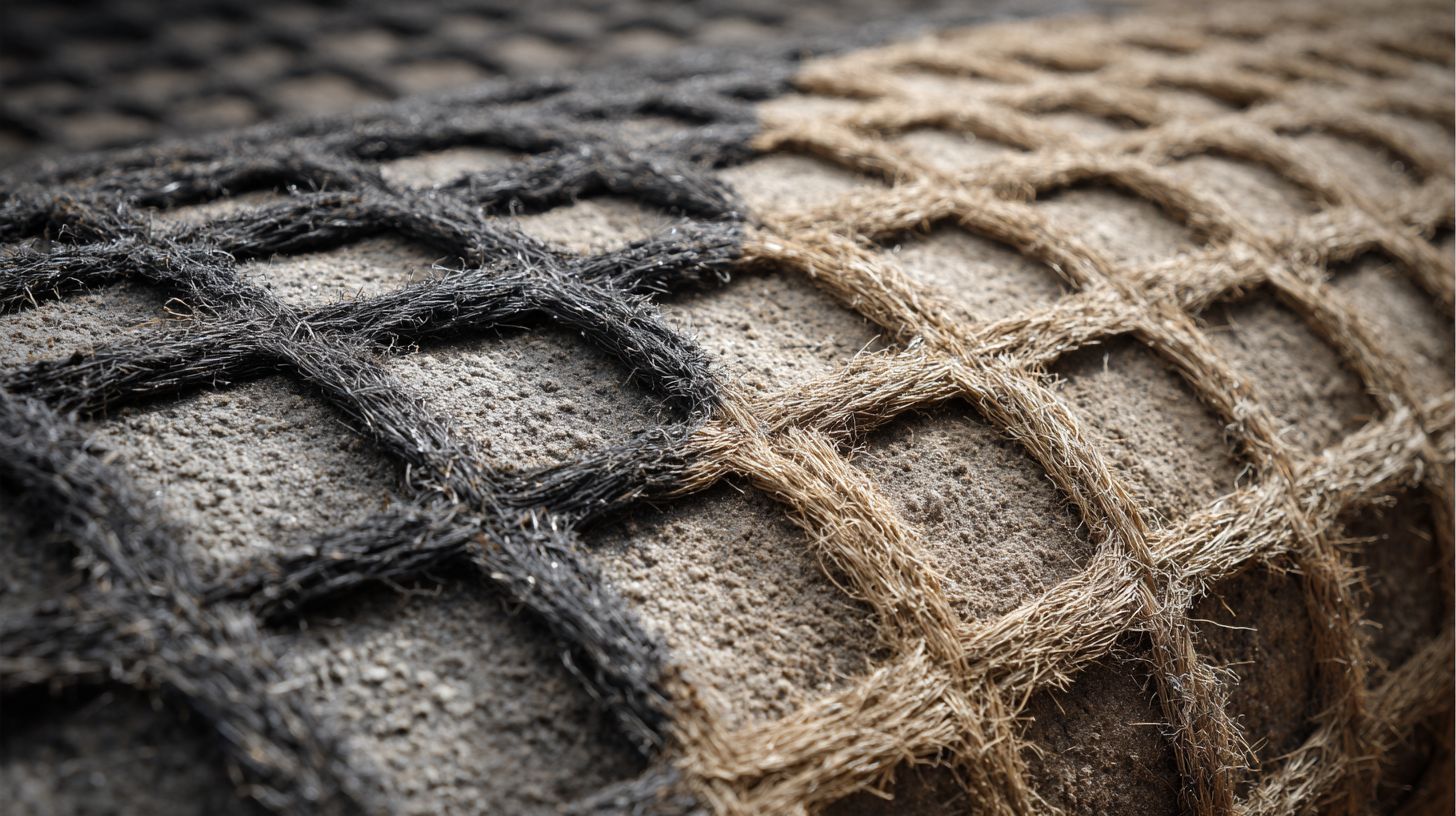
How to Choose the Right Geogrid Fabric for Your Construction Project
In recent years, the use of Geogrid Fabric in construction projects has gained significant traction, primarily due to its ability to enhance soil stability, reduce settlement, and increase lifespan of structures. According to a report by Research and Markets, the global geosynthetics market, which includes geogrid fabrics, is projected to reach $16.5 billion by 2025, growing at a CAGR of 8.5% from 2020. This growth is driven by the construction industry's increasing need for innovative materials that improve efficiency and sustainability. Proper selection of Geogrid Fabric is crucial, as it directly influences the performance of roadway construction, earthwork, and landfill applications. As construction professionals face varied project requirements and site conditions, understanding the different types of geogrids and their specific applications becomes essential for successful project outcomes. This article will explore key considerations for choosing the right Geogrid Fabric to ensure optimal performance and longevity in your construction endeavors.
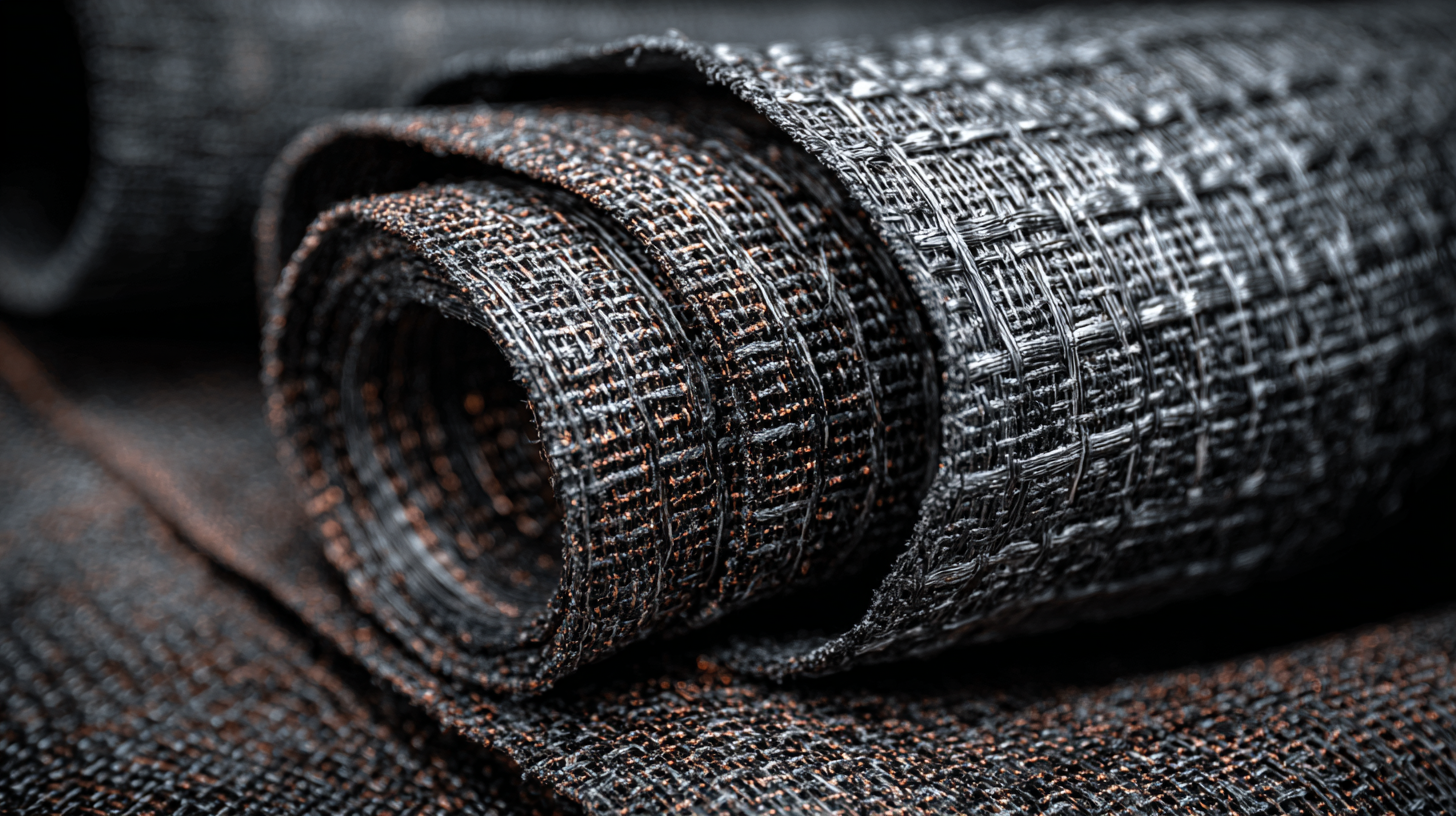
Understanding the Different Types of Geogrid Fabrics Used in Construction Projects
Geogrids are essential components in modern construction projects, offering critical reinforcement for soil and aggregate structures. Understanding the different types of geogrid fabrics is vital for selecting the appropriate material for specific applications. Generally, geogrids fall into three categories: uniaxial, biaxial, and triaxial. Each type has unique characteristics that cater to various soil conditions and load-bearing requirements.
Uniaxial geogrids are designed to provide strength in one direction, making them ideal for retaining walls and slope stabilization. They effectively transfer loads to the surrounding soil, enhancing the stability of steep embankments. Conversely, biaxial geogrids offer strength in two directions and are commonly used in applications requiring enhanced tensile strength, such as base reinforcement in road construction. They distribute loads more evenly, minimizing settlement and deformation over time. Triaxial geogrids, which provide strength in three dimensions, are especially useful in applications where multidirectional stress is anticipated, such as in foundations and subgrade stabilization.
Choosing the right geogrid fabric involves considering the specific mechanical properties and performance characteristics needed for your project. Factors such as soil type, loading conditions, and environmental factors all play a crucial role in this decision-making process. Proper selection is essential for ensuring durability and effectiveness in construction, ultimately leading to successful project outcomes.
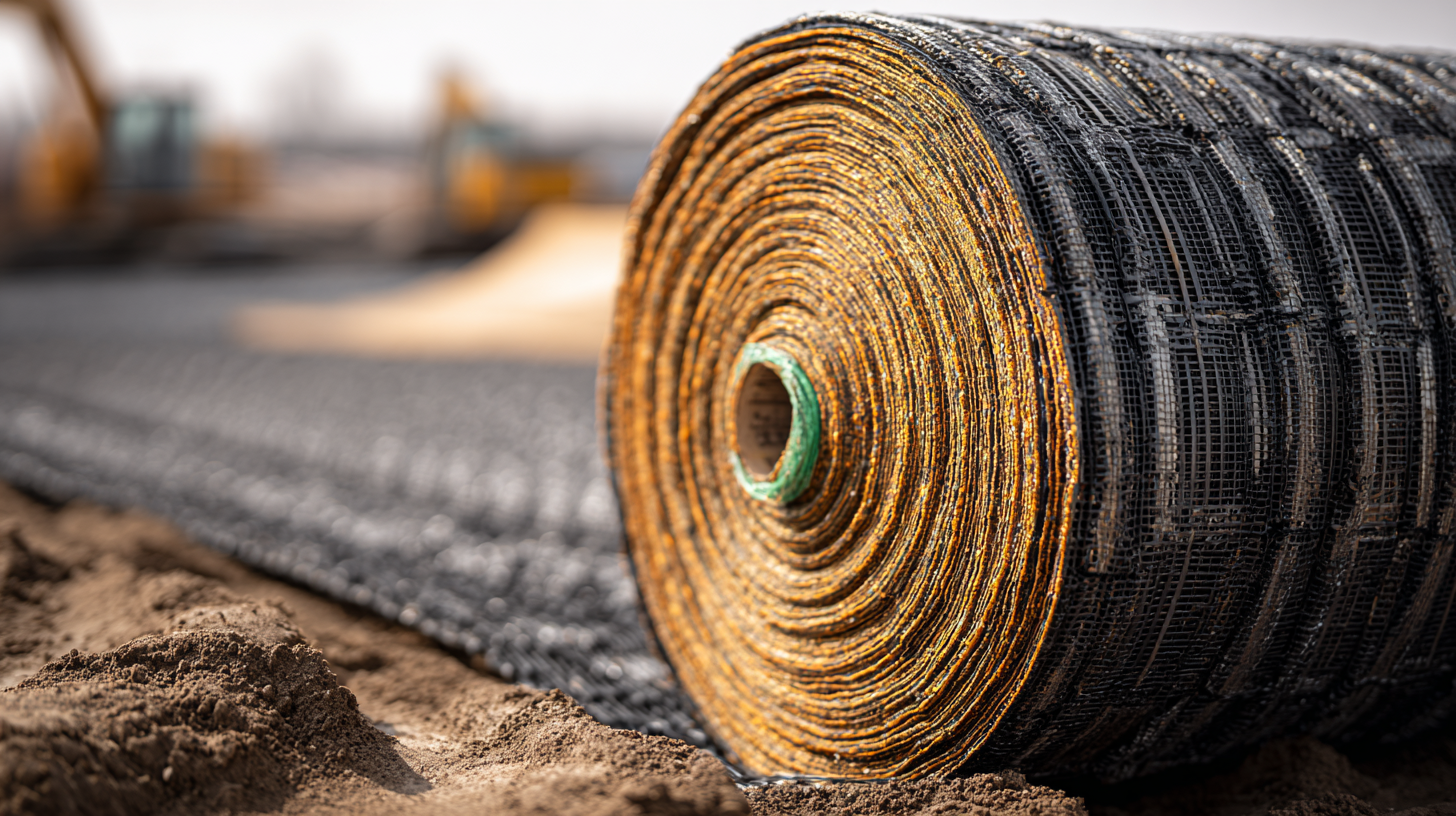
Key Factors to Consider When Selecting Geogrid Materials for Soil Reinforcement
When selecting geogrid materials for soil reinforcement, it's essential to consider several key factors that can significantly impact the effectiveness of your construction project. First, the type of soil being reinforced should be carefully analyzed; different soil types, such as clay, silt, or gravel, interact uniquely with geogrid materials. Understanding the soil's properties, including its bearing capacity and drainage characteristics, will help determine which geogrid fabric is most suitable for enhancing stability and preventing erosion.
Another critical factor is the load requirements of the project. It's vital to assess the expected loads that the geogrid will support, which may vary depending on the project's purpose, whether it be for roadways, embankments, or retaining walls. Selecting a geogrid with the appropriate tensile strength and stiffness is necessary to ensure optimal performance under these conditions. Additionally, environmental factors such as exposure to moisture, freeze-thaw cycles, and chemical interactions should be taken into account, as they may affect the longevity and durability of the geogrid material. By carefully evaluating these factors, project managers can make informed decisions that enhance the overall success and longevity of their construction projects.
Evaluating Load-Bearing Capacity and Durability of Geogrid Products
When selecting the right geogrid fabric for construction projects, evaluating
load-bearing capacity and durability is paramount.
According to a report by the Geosynthetic Materials Association, geogrids can enhance the structural integrity of soils by
distributing loads evenly, potentially increasing bearing capacity by up to 70% in some applications.
This improvement is vital for projects involving heavy loads, such as highways and embankments, where a stable foundation is essential
to prevent settling and deformation.
Durability is another critical factor in geogrid selection. Performance metrics indicate that high-quality geogrids can withstand significant
environmental stressors, with UV resistance and chemical stability being essential attributes. A study published in the
Journal of Geotechnical Engineering found that geogrids with robust polymer compositions showed a
life expectancy exceeding 25 years under challenging conditions. The combination of high
load-bearing capacity and long-term durability ensures that projects are not only viable in the short run but also sustainable over the long
term, making the selection of the appropriate geogrid fabric a crucial step in successful construction planning.
Industry Standards and Specifications for Geogrid Fabric Selection
When selecting the appropriate geogrid fabric for your construction project, it's crucial to adhere to industry standards and specifications. According to the American Society for Testing and Materials (ASTM), geogrids are categorized based on their mechanical properties, including tensile strength, elongation, and interaction with surrounding materials. This categorization helps ensure that the selected geogrid meets the specific load and environmental requirements of the site.
Furthermore, a report by the Federal Highway Administration (FHWA) emphasizes the importance of site-specific design criteria when evaluating geogrid options. For instance, the use of geogrids in road construction must align with standards that detail their performance under various conditions, such as soil characteristics and traffic loads. Industry guidelines suggest that practitioners conduct thorough assessments, including geotechnical studies, to determine the most suitable geogrid type.
For instance, high-strength polyester geogrids are recommended for projects involving heavy loads and significant earthwork, bolstering soil stability and reducing deformation rates. By following these established standards and incorporating data-driven evaluations, stakeholders can enhance the durability and performance of their construction projects.
Case Studies: Performance Comparison of Various Geogrid Fabrics in Real-World Projects
When selecting the appropriate geogrid fabric for construction projects, understanding real-world performance is crucial. A recent study published in the Geosynthetics International Journal evaluated the performance of various geogrid materials across different applications. For instance, the research highlighted that polyester geogrids achieved a reduced deformation rate of up to 30% compared to fiberglass options in retaining wall applications. This significant performance boost ensures structural integrity in high-load environments, making polyester a leading choice for projects requiring enhanced stability.
In another case study focusing on road stabilization, a comparative analysis revealed that bi-oriented geogrids facilitated a 25% improvement in load distribution compared to uniaxial geogrids. This enhancement in performance was linked to the geogrids' ability to interlock with surrounding soil, which prevents lateral movement and promotes the effective transfer of loads. The findings indicate that carefully selecting the right type of geogrid can lead to substantial long-term benefits, including reduced maintenance costs and improved longevity of the structures involved, further supporting the need for informed decision-making in geogrid selection.
How to Choose the Right Geogrid Fabric for Your Construction Project - Case Studies: Performance Comparison of Various Geogrid Fabrics in Real-World Projects
| Case Study |
Geogrid Type |
Soil Type |
Application |
Performance Rating (1-5) |
Comments |
| Project A |
Biaxial Geogrid |
Clay |
Road Construction |
4 |
Good reinforcement, reduced settlement. |
| Project B |
Uniaxial Geogrid |
Sand |
Retaining Wall |
5 |
Excellent lateral support, minimal deformation. |
| Project C |
Composite Geogrid |
Silty Soil |
Slope Stabilization |
4 |
Effective in controlling erosion, stable slopes. |
| Project D |
Woven Geogrid |
Gravel |
Pavement Reinforcement |
3 |
Moderate performance, better for lighter loads. |